Best Refreshing Drinks During Cancer Recovery
July 29, 2026
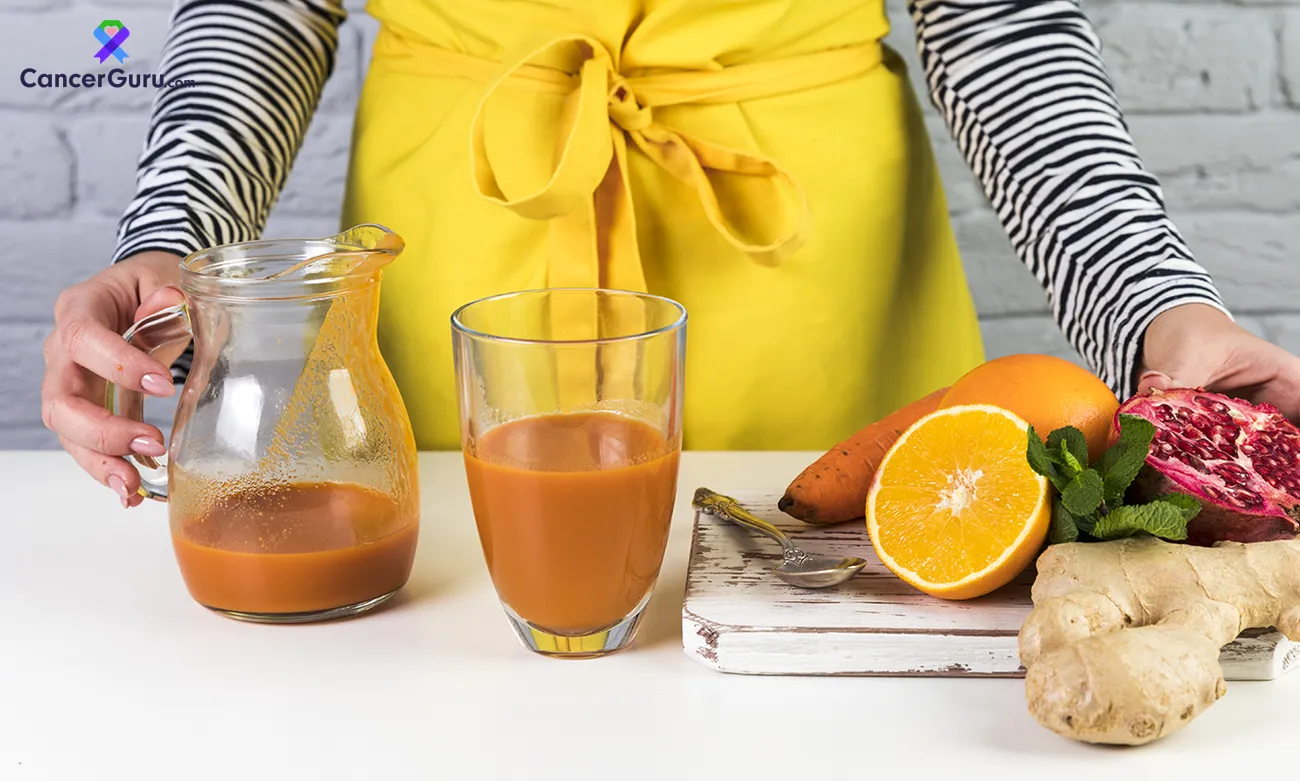
Summer means longer days and warmer weather, and warmer weather brings real risks during cancer treatment. Chemotherapy changes the way your body reacts to heat and sunlight, so a normal hot afternoon can become a health hazardCancer treatment can take a toll on your body, and it is not just about fatigue. Chemotherapy, radiation, and some medications may leave you a bit dehydrated, with dry mouth, nausea, mouth sores, taste changes, and a loss of appetite too. When full meals feel too much, the right drinks can still help you get hydration, calories, protein, vitamins, and minerals that are meant to back recovery up.
There isn’t a single drink that can “cure” cancer, but staying hydrated and picking nutrient rich beverages can help you feel better, keep your strength up, and support the whole healing process your body is doing.
In this guide we’ll cover the best drinks for chemo patients, practical ideas for hydration during cancer treatment, and simple nutrition recipes for cancer recovery that you can make at home.
Why Hydration Matters During Cancer Recovery
Water engages in every task your body does, even the ones you don’t notice. During cancer treatment, hydration gets a lot more crucial because it helps your system keep doing its normal things, like flow and temperature balance, also it can ease things that feel harder when you are going through all that.
- Prevent dehydration from vomiting or diarrhea.
- Support kidney function as medications leaves your system.
- Reduce fatigue.
- Ease constipation
- Improve digestion.
- Help regulate body temperature.
- Keep your mouth and throat moist.
- Support healthy circulation.
And even mild dehydration can make treatment side effects feel, honestly, a lot worse.
Signs you might be Dehydrated.
Check in with your healthcare provider if you think it’s severe, but the common signs look like this: Dry mouth, dark yellow urine, feeling dizzy, headaches. Also, extreme thirst, fatigue, less frequent urination, and dry skin.
A lot of people getting chemotherapy may need more fluids than usual, particularly if they’re dealing with vomiting, diarrhea, or even a fever.
Best drinks for Chemo patients
1. Water
Plain water is still the best go-to-date thing for everyday hydration.
If plain water feels off or unpleasant during treatment, you could try.
- lemon or cucumber slices,
- fresh mint,
- frozen berries, or just
- drink it chilled.
and use a reusable bottle with measurement marks so you can track intake.
2. Coconut water
Coconut water has electrolytes, including potassium, so it can feel like a gentle refresher, especially after vomiting or diarrhea.
- Pick versions that have:
- No added sugar
- No artificial flavors
And drink it in moderation, especially if your doctor suggested limiting potassium.
3. Homemade Fruit Smoothies
Smoothies are one of the best drinks for chemo patients because they mix hydration with calories, protein, fiber, and vitamins, all in one go.
Good smoothie ingredients include bananas, berries, mango, Greek yogurt, milk, or fortified plant milk. You can also add peanut butter oats and chia seeds if you want a thicker mouthfeel.
Smoothies are useful if chewing is a bit unpleasant, even just slightly.
4. Protein shakes
Cancer recovery can push protein needs higher, and it can feel like a lot at the beginning, for real.
Protein shakes help keep up muscle mass when hunger is low, or appetite goes missing a bit. They’re also a simple thing to sip, rather than a full meal. Look for options with, 20–30 grams of protein, low added sugar vitamins and minerals, and moderate calories.
Homemade protein shakes work just as well, or better in some cases.
6. Milk, or fortified plant-based milk
Milk gives you protein, calcium, and Vitamin D, which is everything your body is asking for in a simple way. Fortified soy milk is another nutritious option for folks who avoid dairy. Also, these drinks can become the base for smoothies or oatmeal if you like that thing.
7. Vegetable juice
Low sodium vegetable juices bring vitamins and minerals without you having to work too hard to get them into you.
- Look for products with
- Low sodium
- No added sugar
Fresh homemade vegetable juice can be just as good too, if you follow food safety guidelines carefully.
7. Vegetable juice
If treatment leads to severe diarrhea or vomiting, oral rehydration solutions may help you replace the fluids plus electrolytes that are being lost.
They’re especially helpful for short stretches of illness but they shouldn’t fully replace water as your main beverage.
Easy nutrition recipes for cancer recovery
Berry Protein Smoothie
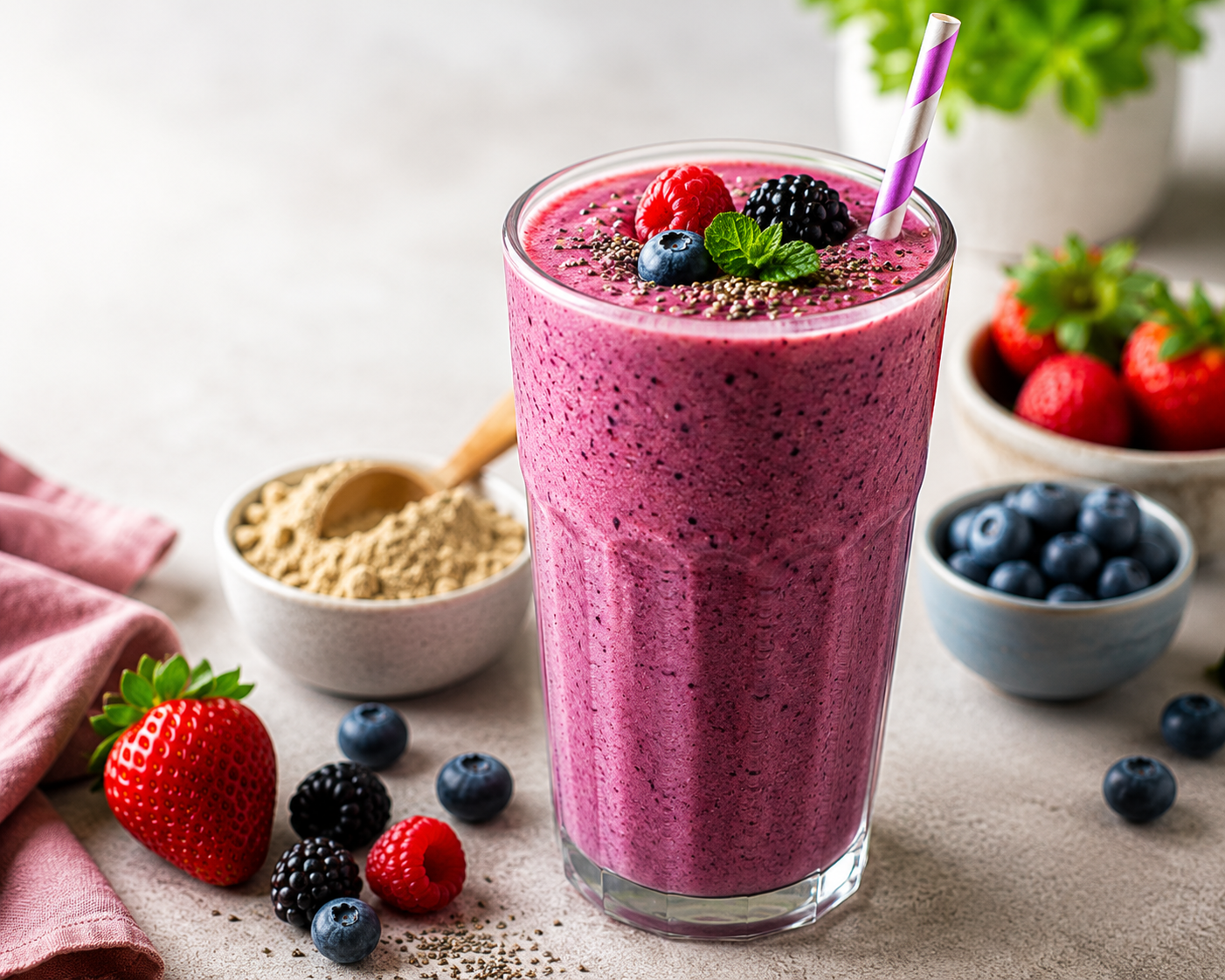
Ingredients
- 1 cup milk or soy milk
- ½ cup Greek yogurt
- ½ banana, diced a bit
- ½ cup blueberries
- ½ cup strawberries
- 1 tablespoon peanut butter
- Ice cubes
Directions: Blend until smooth, you know, like super even texture.
Benefits: Protein, antioxidants, calcium, and healthy calories
Tropical Recovery Smoothie

Ingredients
- 1 cup coconut water
- ½ cup pineapple
- ½ mango
- Greek yogurt
- 1 tablespoon chia seeds
Directions: Blend well and serve chilled.
Green Energy Smoothie
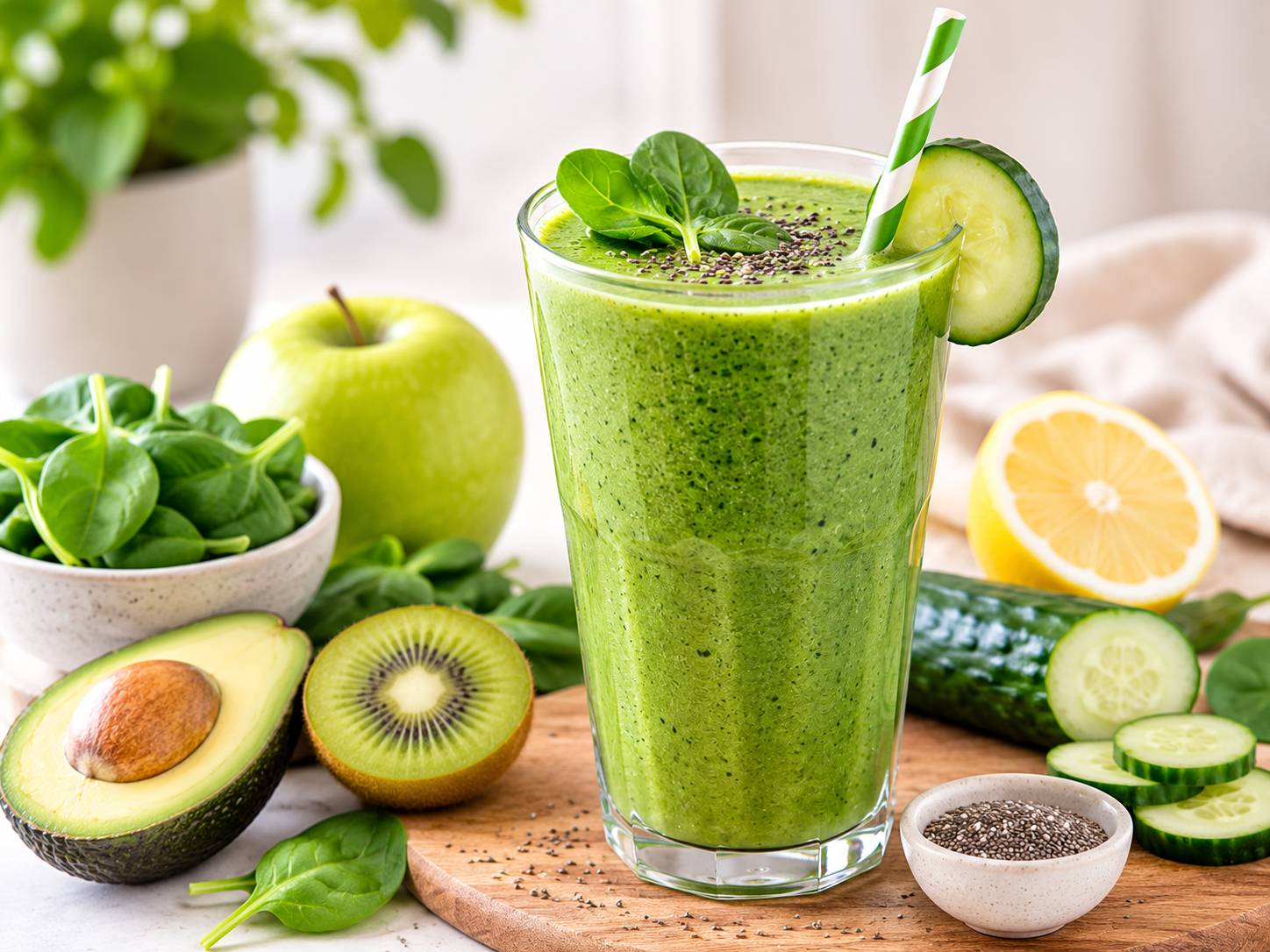
Ingredients
- 1 cup of fortified soy milk,
- One handful of spinach
- One banana
- Kiwi
- Oats
- Almond butter
Directions: Blend it till it turns creamy.
Benefits: This brings fiber, protein, good-for-you fast and key vitamins too.
Ginger Hydration Drink
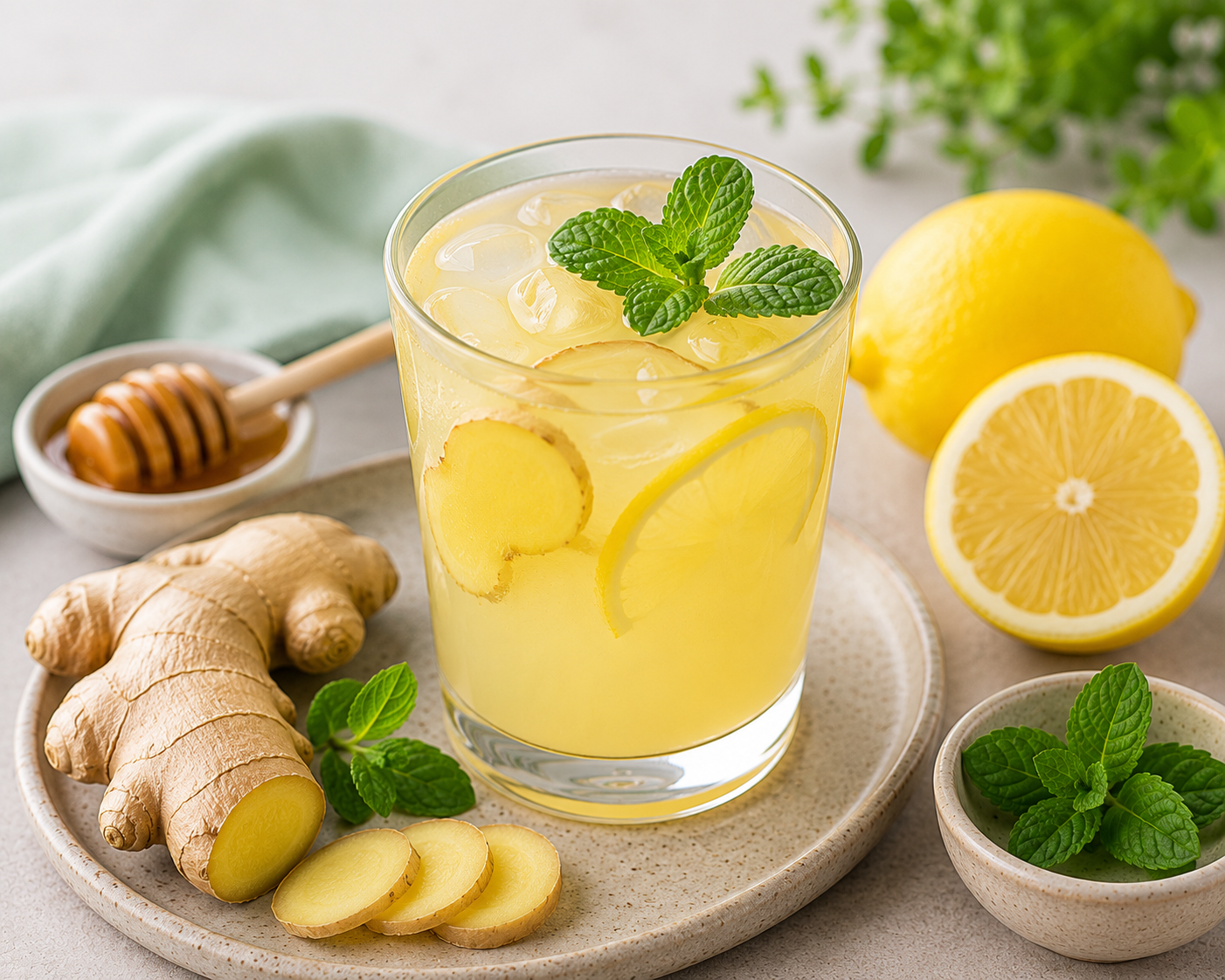
Ingredients
- 2 cups of cold water
- Fresh ginger slices,
- Lemon juice
- Honey (optional)
Directions: Let it chill for a couple of hours, before serving it.
Benefits: Some people find ginger can ease light nausea.
Creamy Banana Oat Shake
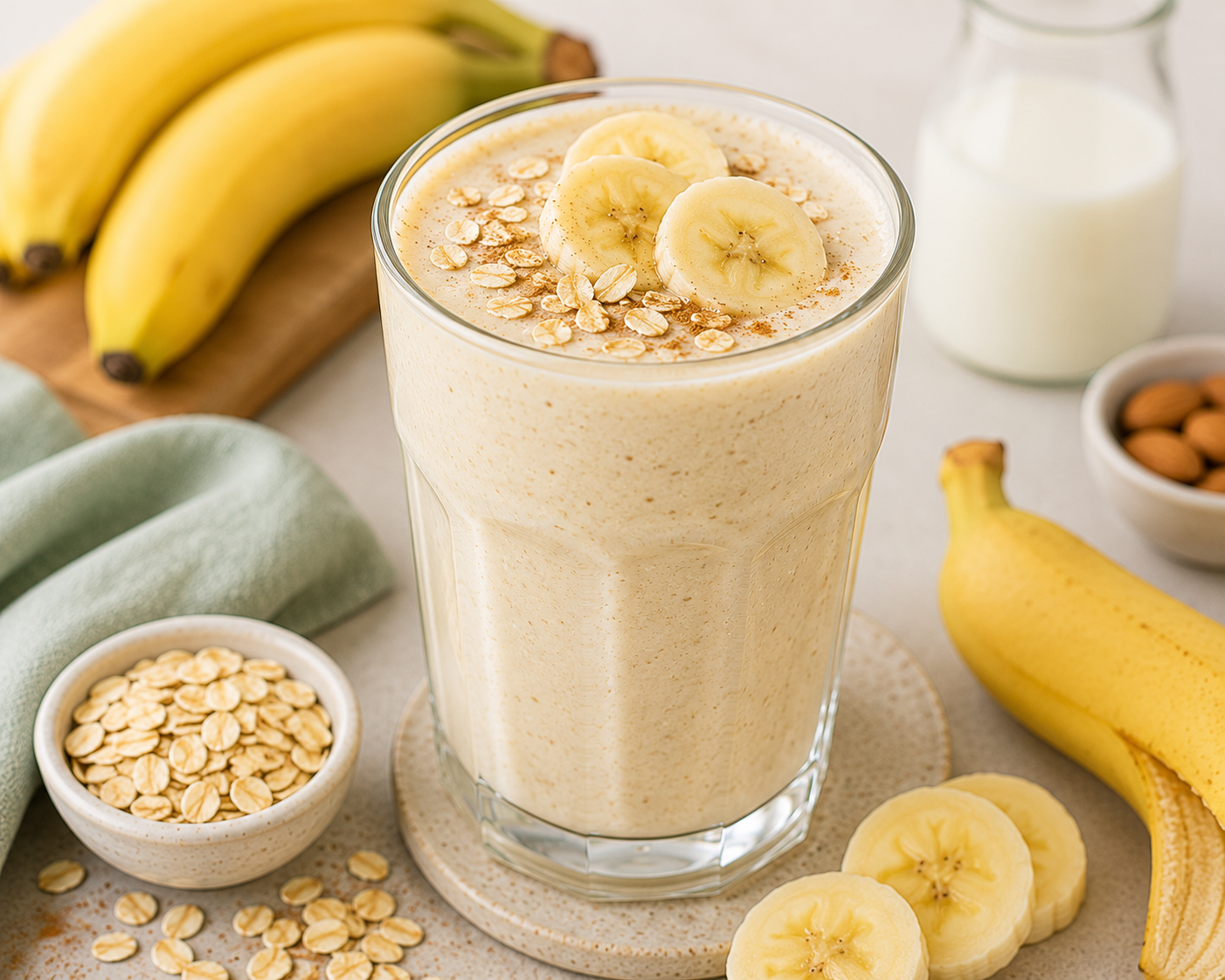
Ingredients
- 1 banana
- 1 cup of milk
- ¼ cup oats
- Cinnamon
- Vanilla extract
- Greek yogurt
Directions: Blend until smooth, or until you can’t tell pieces.
Benefits: This drink supports longer energy and protein, for most folks.
Drinks to limit while you’re going through cancer treatment.
A few beverages might make symptoms more noticeable, or even slow recovery a bit. So, it’s smart to be a little careful with what you drink.
Try to limit, or skip entirely:
- Alcohol
- Sugary soda and soft drinks
- IEnergy drinks or boosters
- Excess caffeine
- Unpasteurized juices
- Herbal supplements that haven’t been approved by your healthcare provider
Also, if you have kidney disease or any other medical conditions, ask your doctor about which drinks could need to be reduced, even more.
Managing Common Treatment Side Effects with Drinks
If you are feeling nausea like, try cold drinks, ginger tea, or electrolyte beverages, and take small sips throughout the day. Don’t rush it even if you feel fine for a moment.
- If mouth sores show up: Cold smoothies, milkshakes, and chilled protein drinks might feel easier. Also, you may want to skip acidic juices, especially if they cause that sting or irritation.
- If food tastes metallic: Go for drinks served in glass containers instead of metal cups. Then, if mouth sores are not around, you can add citrus, or even fresh herbs, to bring the flavor back somehow.
- If you have diarrhea: Water plus electrolyte drinks, broth, and oral rehydration solutions are the best way to replenish the fluids that were lost.
- If you are constipated: Increase fluids, and consider fiber rich smoothies made with fruit, oats, and flaxseed if your healthcare team says it’s ok.
When to call your healthcare provider
Reach out to your healthcare team if you:
- If you can’t keep fluids down for more than 24 hours.
- Have severe vomiting or diarrhea.
- Notice signs of dehydration.
- Develop a fever along with dehydration.
- Feel weak or confused.
- Produce little urine.
Getting prompt treatment can help prevent serious complications.
Conclusion
Recovery after cancer treatment can look a little different for everyone, though staying hydrated is one of the easiest supports moves you can make. Honestly, the best drinks for chemo patients are the ones that keep fluids on board while also giving your body a few helpful nutrients it needs for healing and rebuilding. So, whether you’re sipping a heavy protein smoothie, a calm herbal tea, coconut water, or even a homemade recovery shake, those small swaps during the day can end up mattering more than you’d think.
These nutrition recipes for cancer recovery are meant to be simple to put together, the stomach and easy to adjust for your own tastes and any treatment side effects. Most importantly, tune in to your body and team up with your healthcare crew or oncology dietitian so you can pick beverages that truly fit your situation.
Recent Posts
-

Cancer Awareness Resources: Types, Symptoms, Screening & Support
October 6, 2026 -

Nutrition During Cancer Therapy: What to Eat for Strength and Recovery
September 30, 2026 -

Ovarian Cancer Symptoms Women Often Miss
September 23, 2026 -

Leukemia vs. Lymphoma: Key Differences Explained
September 14, 2026 -

Signs and Symptoms of Childhood Cancer Parents Shouldn’t Ignore
September 8, 2026 -

Returning to Work After Cancer Treatment
September 3, 2026 -

Genetic Testing to Understand Your Family History
August 27, 2026 -

Talking to Children About a Parent’s Cancer Diagnosis
August 19, 2026 -

Managing Appetite Loss & Taste Changes During Cancer Treatment
August 14, 2026