Metastatic Breast Cancer: Symptoms, Stages, and Treatment Options
06 Nov 2026

Recent statistics indicate an almost alarming rate of breast cancer, with over 2 million women affected and more than 600,000 having died from it.
One of the many terms for stage IV breast cancer is metastatic. Breast cancer has several different stages. Stage IV cancer is characterized by a rapid growth of cancerous cells. The cells can quickly and extensively spread from the breast to many other areas of the body. Metastatic breast cancer is a serious issue throughout the globe. This post will teach you about everything there is to know.
What is Metastatic Breast Cancer?
Metastatic breast cancer refers to the spread of cancer to distant parts of the body, after starting in the breast. Metastatic breast cancer is caused by the breast cancer cells separating from the original breast cancer or neighboring lymph nodes. After separation, these breast cancer cells can enter the bloodstream and lymphatic system and settle in different parts of the body. These cancerous breast cancer cells then proliferate to form more cancerous tumors in those distant parts of the body. Metastatic breast cancer is usually found in the brain, lungs, liver and bones. 6 to 10 percent of women have metastatic disease when first diagnosed with breast cancer. More than 30 percent of women with early-stage disease eventually develop metastatic breast cancer.
Causes of Metastatic Breast Cancer
Many different things cause breast cancer to metastasize, including:
- Recurrent Nature: Many women discover their breast cancer has metastasized when the disease comes back. Even after treatment has supposedly worked to kill cancer cells, some can remain. Breast cancer is unique in that a cell can metastasize to a different place than where it originated. Metastatic breast cancers occur from an original diagnosis in approximately 6% of the population of women.
- Treatment challenges: One factor for the development of metastatic breast cancer is the challenges associated with cancer treatment. Cancer treatment in general can be incomplete, allowing cancer cells to regrow and form other tumors. After an initial surgery for breast cancer, some breast cancer cells are still present and form tumors. As the cancer spreads beyond the breast, metastatic breast cancer develops.
- Persistence After Treatment: Post-treatment cancer cells begin to strengthen, multiply, and grow very quickly. Weakened cancer cells can easily regain strength and begin to rapidly grow. It takes a short amount of time for cancer to spread. How does it spread? Metastasis cancer spreads rapidly. This occurs when cells begin to travel in the lymph nodes and the bloodstream. One of the ways this happens is by way of the lymphatic system, which can provide clear paths for the cancer cells to reach other parts of the body and create new clusters.
Common Symptoms by Body Location
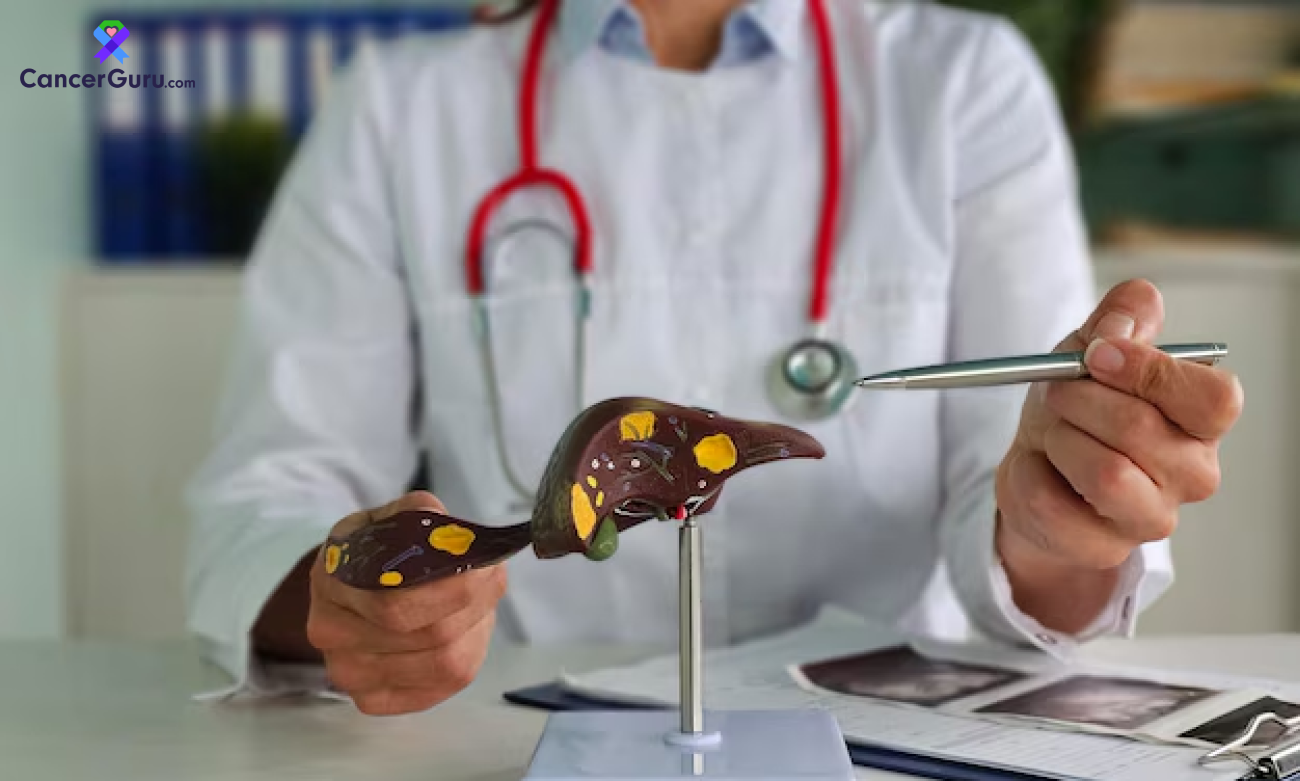
The metastatic breast cancer signs will vary from person to person, depending on the organ involved. The most frequent areas of metastasis are the bones, lungs, liver, and brain.
Body Area | Possible Early Signs |
Bones | Persistent pain in the back, hips, or ribs, pain worsens at night and factures from minor injuries |
Lungs | Cough lasting more than 2 to 3 weeks, breathlessness during routine activity and chest discomfort |
Liver | Pain or fullness under the right ribs, yellowing of skin or eyes and loss of appetite |
Brain | New or worsening headaches, changes in vision, balance or memory, and unusual confusion |
Whole body | Unexplained weight loss, reduced appetite, and ongoing tiredness not relieved by rest |
What does Stage 4 Mean?
Breast cancer is categorized by stage, with stage 1 being localized, while stage 4 breast cancer has spread to organs, beyond the local breast and lymph nodes, making it advanced. Metastatic and stage 4 breast cancer are the same. To determine the location and spread of the cancer to assist in treatment planning, blood tests and specialized imaging, and perhaps even a biopsy is done. For diagnosis, understanding if cancer relies on certain hormones and proteins to grow is critical in both prognosis and the strategy used in treatment.
Diagnosing Metastatic Breast Cancer
Getting a clear view of how far breast cancer has progressed is an essential step to inform personalized breast cancer care and treatment. Doctors may rely on a combination of different tests to stage localized breast cancer as well as advanced breast cancer.
- Ultrasound exam: This test uses sound waves to create an image of the patient’s body internally.
- Magnetic Resonance Imaging (MRI): Using magnets and radio waves, detailed pictures of the patient’s body are produced.
- Blood chemistry tests: These tests help determine the amount of specific substances secreted by the body’s tissues and organs. An elevated or depressed level of these substances may point to the presence of disease.
- Breast Biopsy: In a breast biopsy, a doctor will remove samples of tissues and/or cells for analysis under a microscope. This is typically done to confirm the original breast cancer diagnosis.
Additional Methods to Diagnose Stage 4 Breast Cancer
There are several methods used to detect late-stage cancer in addition to the standard procedures listed previously:
- Sentinel lymph node biopsy: Breast cancer will often metastasize to the lymph nodes first, and removing sentinel lymph nodes is a way of biopsy during surgery.
- Chest X-ray: A more detailed view of the chest can determine whether cancer has spread to the bones.
- CT scan: Another term for a CT scan is a CAT scan. A computer attached to an x-ray machine produces very detailed images. An organ might appear more clearly if dye is used.
- Bone Scan: Bone metastasis refers to the spread of cancer cells into the bone. This scan uses a small amount of injected radioactive materials and is detected using a scanner.
- PET Scan: A PET scan uses a radioactive tracer drug to detect cancer cells throughout the body.
Treatment Options for Metastatic Breast Cancer
While there is no way to fully cure metastatic breast cancer, doctors and other medical providers focus on treatment options that allow people to have the best possible quality of life for the longest amount of time while also minimizing potential negative side effects. Consequently, treatment of metastatic breast cancer will differ from patient to patient, with healthcare providers making treatment plans based on a variety of different factors, including:
- Type of breast cancer: Treatment of metastatic breast cancer differs from other more frequent breast cancer types, such as the hormone positive variety.
- Breast cancer location: For example, breast cancer found in the lungs requires a different treatment program than the cancer if it were to have found a home in your liver.
- Breast cancer treatment history: Doctors think about how cancer behaved during treatment, as well as the treatment’s impact on you.
- Results of lab tests: Pathologists analyze cancer cells through a microscope to determine how the cells look and behave.
What are the specific treatments for Metastatic breast cancer?
- Chemotherapy is drugs that act on cells that are rapidly dividing. Used in cancers with high-speed growth, or metastasis, especially to the liver or lungs.
- Hormone therapy: Medicines which prevent hormones from activating certain kinds of breast cancer. Commonly used for breast cancer is positive for hormone receptors (HR+), especially for those patients whose cancer has responded positively.
- Immunotherapy: New kinds of drugs which activate your body's own defense mechanisms against the disease. Important for certain types of aggressive cancer.
- Targeted therapy: Medications designed to target specific proteins which have been identified as cancerous, for example, HER2. These drugs are better focused and generally have a lower incidence of negative side effects.
- Surgery or radiotherapy: Not curative when cancer is at Stage 4, but may be used to control symptoms, for instance pain in a bone, or to treat the cancer where it has moved to only one area.
- Palliative care: Medical treatment is supplemented by care to alleviate cancer's symptoms, address your emotions and help you to live life as fully as possible.
How long does treatment last?
For those of you with a background of treatment for early-stage breast cancer, you know what a treatment plan is, with the administration of cancer fighting medications for a specified time. Now, instead of eliminating cancer, the objective is the reduction of tumors, the inhibition of the spread of cancer, and symptom management, and may result in cancer treatment that will be ongoing for as long as needed.
Prevention of Metastatic Breast Cancer
Sadly, there is no way to stop breast cancer from becoming metastatic. Metastatic breast cancer isn't your fault. It could be because the cells survived treatment and migrated through your body. Staying on top of your general health and recognizing the early warning signs of metastatic cancer is an important part of reducing your risk, because although treatment cannot eliminate metastatic cancer, it can at least control it for some time.
Living with Metastatic Breast Cancer
The reality of being diagnosed with stage 4 metastatic breast cancer is one that triggers apprehension and unpredictability. But for many, there are practical steps and systems in place to help manage the emotional strain and help build the practical components of coping with cancer long term. One of those steps is building a strong team, including support nurses, therapists and groups of people who share the same experiences and are willing to support you.
Rate of Survival for Breast Cancer: What does the Number Mean?
Five-year survival rate of patients with metastatic breast cancer depends on how much the cancer has spread.
- Regional Metastatic Breast Cancer: Patients with cancer that has spread locally or regionally to nearby sites have an 86 percent survival rate compared to the rate of those without cancer.
- Distant Metastatic Breast Cancer: If the cancer has distant metastasis, the survival rate is 29 percent.
Past experiences help in predicting the survival rates. With advances in research and cancer treatments, the survival rates could possibly increase in the future.
Wrapping Up
Many individuals live with metastatic cancer. Receiving treatment is all that matters. However, you must manage to survive with certain tiring symptoms. If you have any signs of metastatic breast cancer, look for immediate diagnosis and treatment options.
Image Credit: gpointstudio at magnific
Recent Posts
-
Ovarian Cancer Symptoms Women Often Miss
23 Sep 2026