
Pancreatic Cancer Symptoms: Early Warning Signs You Should Know
20 Nov 2026
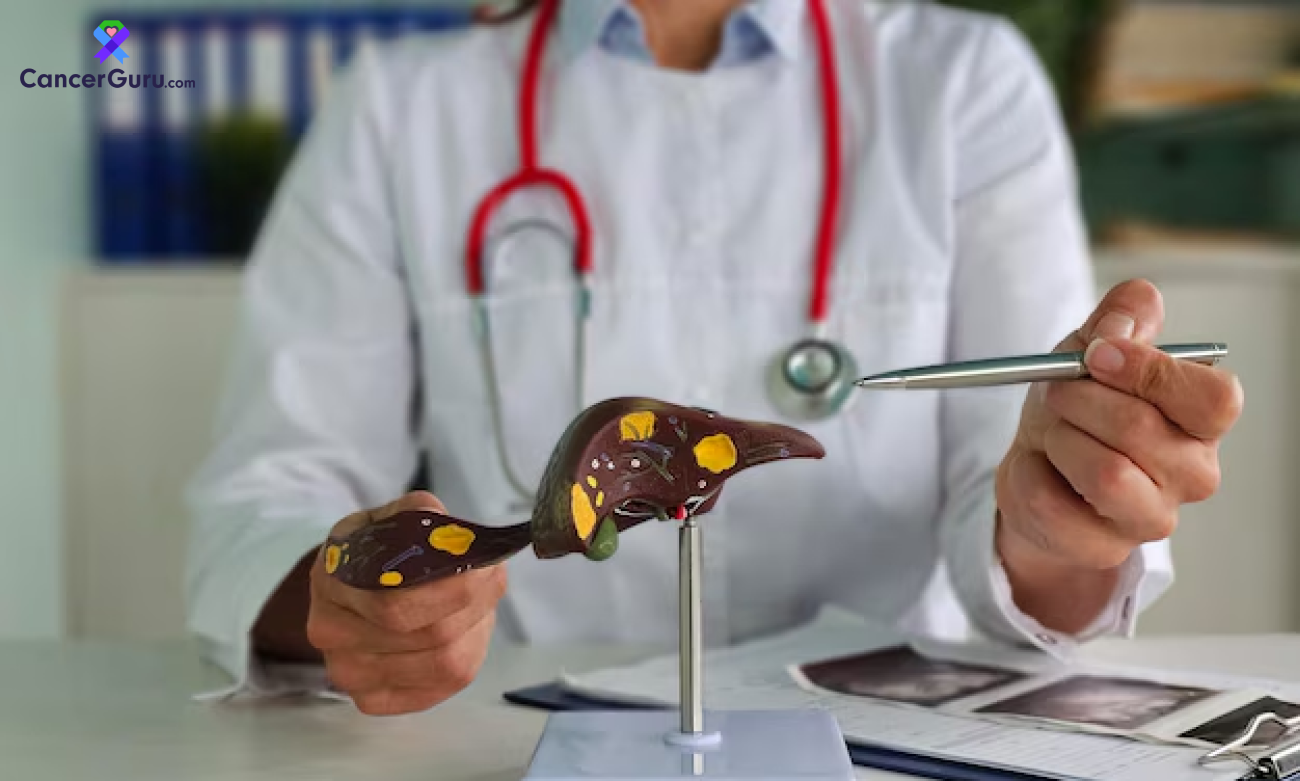
Early detection of pancreatic cancer is extremely difficult, due in large part to the silent progression of the disease. By the time the cancer has grown to the point where symptoms have begun to show, the cancer has already started to spread. Having said that, there are known risk factors for pancreatic cancer. As you learn more about these factors and learn about the signs of pancreatic cancer, you are empowered to act sooner rather than later and help yourself or your loved ones receive earlier treatment. In addition, understanding pancreatic cancer also helps in gaining knowledge about the newer technologies, including the newest innovations in surgery, chemotherapy, and personalized medicine that can all be utilized to improve a pancreatic cancer patient’s overall prognosis.
What Is Pancreas and Why Is It Important?
The pancreas is an organ in the mid-abdomen, behind the stomach. Though relatively small, it has two critical functions.
- It assists with digestion: it helps with digestion by secreting enzymes that aid the digestion of food and helps the body to absorb nutrients.
- It maintains blood sugar control: The pancreas produces insulin, which regulates blood sugar.
If cancer develops in the pancreas, both digestion and blood sugar regulation are impaired. Sometimes, these issues can even occur before any obvious signs of disease are present.
Types of Pancreatic Cancer
Most cases of pancreatic cancer are either neuroendocrine or exocrine tumors. The first type (exocrine) occurs in enzyme-producing cells and represents over 90 percent of cases. The second type (neuroendocrine) occurs in hormone-producing cells.
Exocrine Pancreatic Cancer
Digestive enzymes are produced by exocrine cells.
- PDAC (Pancreatic ductal adenocarcinoma) represents 85% to 90% of pancreatic cancers. These begin within cells that line the ducts of the pancreas.
- Acinar cell carcinoma is less common (approx. 1% to 2%) and develops within acinar cells that are at the ends of the pancreas ducts. Lipase production can cause skin rashes and/or joint pain.
- Cystic neoplasms are cancers in which there are fluid-filled cysts in the pancreas. These can occur within an intraductal papillary mucinous neoplasm (IPMN) or within a mucinous cystic neoplasm. They may or may not be cancerous.
- A colloid carcinoma (approx. 1% to 3%) is often associated with an IPMN in which the tumor cells are floating within mucin. These carcinomas tend to be less likely to spread.
- Adenosquamous and squamous cell carcinomas contain cells of the squamous variety. The tumor has elements of both a ductal and a squamous nature but is squamous. It's rare for it to be pure.
Pancreatic Neuroendocrine Tumors (PNETs)
Islet cell tumors are other terms used to describe pancreatic neuroendocrine tumors (PNETs), and these tumors come from endocrine cells that secrete hormones, including insulin and glucagon, to the bloodstream. PNETs tend to develop slower in comparison to exocrine pancreatic cancers.
PNETs without an effect on hormone levels are referred to as Nonfunctional PNETs, and these make up most of all pancreatic neuroendocrine tumors.
Functional PNETs release hormones in excess and create specific symptoms based on the hormone involved, as seen below:
- Insulinoma: An excess of insulin is released.
- Gastrinoma: An excess gastrin is released.
- Glucagonoma: An excess of glucagon is released.
- VIPoma: An excess of vasoactive intestinal peptide is released.
- Somatostatinoma: An excess of somatostatin is released.
Uncommon Tumors of the Pancreas
Some rare forms of cancer, including solid pseudopapillary neoplasms, pancreatic lymphoma, and pancreatoblastoma, which is common in children, may occur in the pancreas.
Pancreatic Cancer Is Hard to Detect Early Because:
Because pancreatic cancer is deep inside the abdomen, doesn't produce many early symptoms, and doesn't have a regular screening; most cases are diagnosed later. By the time it produces symptoms, it's usually grown beyond the pancreas.
There are many reasons for later diagnosis.
- There are no early, easily observable symptoms for most pancreatic cancers. At their best, symptoms are so mild and ambiguous that they easily are attributed to normal, non-pancreatic health issues, including issues like bloating, acidity, fatigue, or even back pain.
- Because of its deep anatomical location, the pancreas cannot be palpated. At best, an early tumor might be visualized by diagnostic imaging. However, even the best imaging modalities struggle to capture these small, early tumors.
- The recommended course for all cancers except pancreatic is routine, regular screening of the population. However, targeted imaging, such as a CT scan or MRI or an endoscopic ultrasound, is appropriate and necessary for a high-risk patient, including someone who might have symptoms or an early diagnosis of a malignancy of the pancreas.
- None of the current pancreatic blood cancer markers is specific enough and sensitive enough to capture a pancreatic cancer reliably and accurately in a patient early.
- The signs of pancreatic cancer can vary depending on where a patient's tumor is, particularly with jaundice, a tumor at the head of the pancreas might obstruct a bile duct and jaundice might appear, but other tumors would not result in the presentation of early jaundice.
- Finally, one reason early detection of pancreatic cancer is so hard is because of the disease’s aggressive nature. Pancreatic cancer can rapidly spread, and by the time you discover the tumor, it may already be in surrounding tissues or have even moved on to distant sites.
Signs and Symptoms for Pancreatic Cancer
There are no early warning signs of pancreatic cancer. It isn't until the cancer affects the surrounding structures that signs of the cancer are seen, at which point the cancer is typically at an advanced stage. Some common signs are:
- Upper abdominal or side pain.
- Back pain, usually in the middle.
- Signs of Jaundice
- Loss of appetite or unexpected weight loss.
- Constipation and/or diarrhea.
- Discoloration of urine and stool.
- Itching
- Fatigue
If you have newly diagnosed diabetes or pancreatitis, then it’s highly probable that you have pancreatic cancer because the pancreas controls blood sugar levels.
Pancreatic Cancer Causes and Risk Factors
DNA mutations in cells of the pancreas cause uncontrolled growth and is the primary mechanism of developing pancreatic cancer. Most pancreatic cancers start in the ducts which transport digestive enzymes. Risk factors increase the chance of these cellular changes developing, although some people have these factors and never develop pancreatic cancer.
- Smoking
- Long term pancreatic inflammation
- Long term Type 2 diabetes
- Obesity
- Alcohol use (mainly by means of pancreatitis)
- Age (usually 60 or greater)
- Family history (at least 2 relatives)
- Hereditary syndromes
- Pancreatic cysts (high risk features)
Screening for High-Risk Individuals
While there is no general screening, people at high risk because of strong family history or inherited mutations may be offered surveillance with:
- Endoscopic ultrasound (EUS)
- MRI or MRCP
This is usually done at specialist centers as part of structured programmed.
How Doctors Diagnose Pancreatic Cancer
Pancreatic cancer is notoriously hard to spot in its early stages. Many patients receive a delayed diagnosis because of the long latency of the disease. Furthermore, even doctors are unable to feel lumps in the pancreas because it is buried deep in the body. Consequently, you must undergo a variety of diagnostic procedures. These include:
- Blood tests: Liver function tests as well as testing a cancer marker called CA 19-9, which, while useful in support, is not specific enough to diagnose the cancer itself.
- CT scan: This is the primary method of diagnostic imaging to assess the location of the tumor in relation to your blood vessels.
- MRI/MRCP: Detailed images of the ducts of the pancreas.
- Endoscopic Ultrasound (EUS): To provide high-quality imaging of the organ, as well as biopsy, to name a few of the functions.
- ERCP: This diagnostic test may also serve a therapeutic role by relieving bile duct blockage through the placement of a stent.
- PET-CT: May also be utilized to help determine whether the disease has spread.
- Biopsy: The diagnostic procedure required for confirmation.
- Genetic Testing: Pancreatic cancer guidelines now suggest all patients be tested. This is beneficial for both the patient’s future treatment options and for their at-risk family members.
Treatment Options for Pancreatic Cancer
There are several pancreatic cancer treatment options available, and a personalized treatment approach based on the specifics of the disease, as well as the patient's overall health is recommended. Treatment should strive to remove the cancer, stop the progression, relieve the symptoms, and improve the patient's quality of life.
Surgery: Surgery on the pancreas is the only chance of a cure for pancreatic cancer. However, this option is typically considered if surgeons feel they can completely remove the cancer, and this is done if the cancer is localized to the pancreas only. There are various approaches and methods based on the size and location of the tumor.
- Whipple procedure: The first part of the small intestine is removed along with the gallbladder, a portion of the bile duct, a few lymph nodes, and the largest part of the pancreas.
- Distal pancreatectomy: The thinnest part of the pancreas, along with some of the middle part, is removed. Often, surgeons will remove the spleen.
- Total pancreatectomy: This involves the removal of the pancreas, gallbladder, and spleen, along with a part of the small intestine and the stomach.
Chemotherapy: Chemotherapy is a form of treatment in which drugs are used to kill cancer cells throughout the body. It is typically used if the cancer has advanced outside the pancreas. In such a scenario, chemotherapy would be given after surgery to remove the cancerous cells that may have been left behind.
Radiation therapy: High-energy radiation like X-rays is used to kill cancer cells. Radiation can be used before surgery to help reduce the size of a tumor or after surgery to kill remaining cancer cells. In cases where cancer has advanced, radiation therapy is used to manage and help relieve symptoms.
Targeted Therapy: This method involves using cancer-specific drugs to disrupt the cancer cells’ growth. Because this treatment targets cancer cells, it is often more effective and safer to normal, healthy cells in the body, in comparison to conventional chemotherapy.
Immunotherapy: The goal of immunotherapy is to use the body’s own immune system to attack cancer cells. In cases of pancreatic cancer, its role in treating patients is still in its early stages of clinical studies. Some eligible patients may take part in these clinical trials.
How long will you live if diagnosed with Pancreatic Cancer?
Most patients are expected to die in under a year. About 13% will survive 5 years of diagnosis. That is, for 100 diagnoses, 13 people are likely to live beyond 5 years. There are caveats, however. Survival statistics will not forecast your longevity or how you will respond to treatment. Also, statistics relate to the past. Modern treatments may not be fully accounted for. For these reasons, only your doctor will provide the best answers regarding your case.
Wrapping Up
We hope you've learned something valuable with this guide and it has clarified things. For pancreatic cancer, recognition in early stages of disease progression really matters. That is when treatments are most effective.
Image Credit: nadezdagorosko at magnific
Recent Posts
-

Ovarian Cancer Symptoms Women Often Miss
23 Sep 2026