Nutrition During Cancer Therapy: What to Eat for Strength and Recovery
September 30, 2026
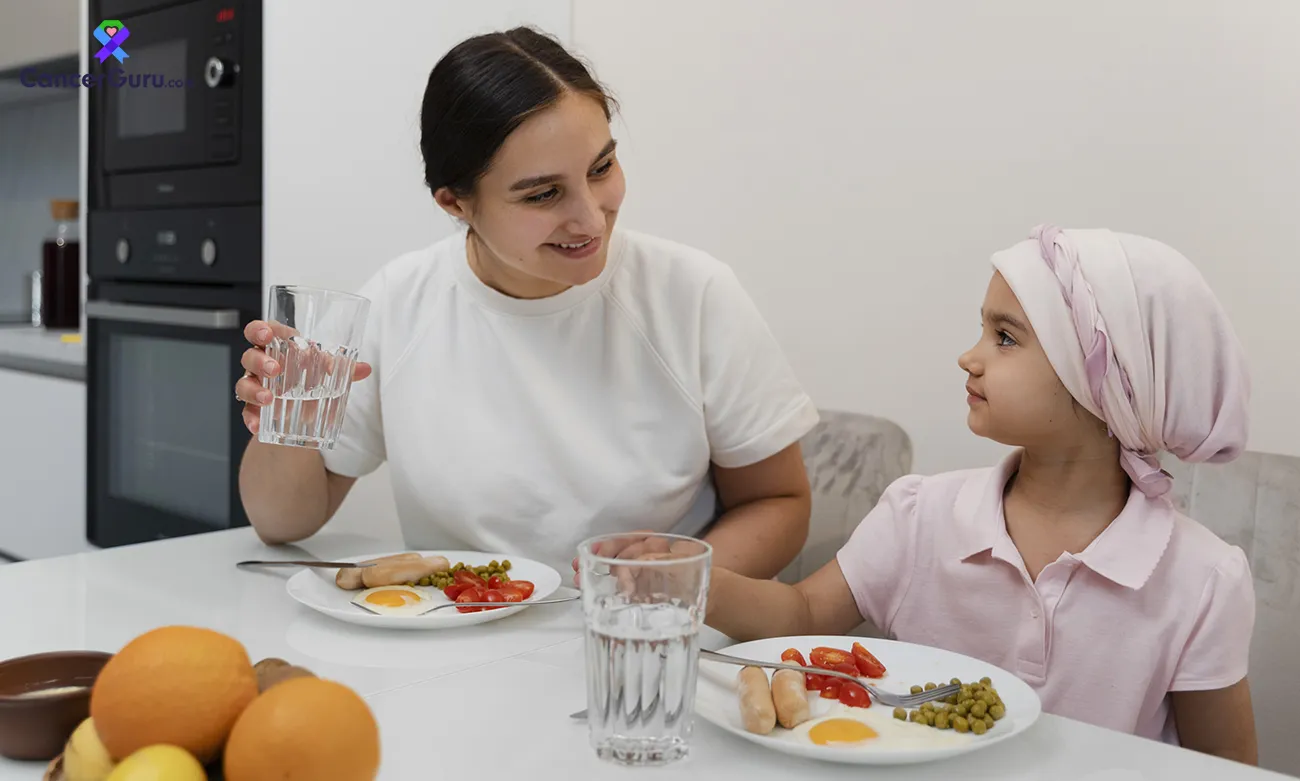
Cancer therapy can be a very long journey, and it can have many side effects on your body. It is possible that during these times you may have medication as well as doctor appointments and thus emotional stress which might make food the last thing in your mind. However, the right nutrition can make you more vigorous, can help your immune system and provide your body with the energy it needs for healing. This isn't merely the case of eating the best among the best foods. It's more about identifying the perfect nutrition plan that will not just keep you in good health and strength but also be very realistic and convenient for you. From the very beginning, consider food to be a vital part of your treatment rather than an enemy to it. Now, let us explore the advantages, disadvantages, and convenient tips for a smooth eating experience.
The Importance of Good Nutrition During Treatment
Among the treatments for cancer, chemotherapy, radiation, and surgery are the ones that may change your appetite, the process of digesting, and even the sense of taste. Therefore, it is very possible that you will have a tired feeling and be nauseated or even lose your appetite. Eating might be quite a struggle but at the same time, your body will still need the same amount of energy no matter what the situation is.
Eating well can help:
- Preserve muscle and strength
- Assist the immune system
- Increase energy
- Keep the weight at the same level
- Aid in tissue and cell repair
- Support post-treatment recovery
Even tiny steps are significant.
Foods That Support Strength and Recovery
Your body is under a lot of stress during cancer therapy. Hence, the main objective is to always give it the same dependable fuel. Consider your meals and snacks with little chances to feed your body and restore your strength. No need for sophisticated recipes or overpriced ingredients; simply, body-friendly foods are all that you need.
Strength from Protein
During the healing process, protein is regarded as one of the essential nutrients. It not only plays a major role in muscle preservation but also plays a supporting role in recovering. Large portions of food are not a necessity—protein inclusion at different times during the day is all that is required.
Some options to consider are:
- Eggs
- Yogurt
- Chicken, Turkey, or fish
- Beans, lentils, or chickpeas
- Peanut butter, almond butter or other nut butter
- Tofu
If eating feels like a painful thing, consider the option of smoothie and using a spoon of nut butter or protein powder. Sips taken slowly are still considered.
Fruits and Vegetables for Support
Fruit and vegetables are like a gift to your body as they provide vitamins and antioxidants which in turn help to fight inflammation and keep your immune system active. They can be raw or any other way—just go with what feels good to you.
Some of the mild options are:
- Bananas or applesauce if you are experiencing stomach rumbling
- Berries in smoothies or yogurt
- Carrots, zucchini, or green beans that are soft, cooked as vegetables
- Sweet potatoes or squash that are mashed
- Spinach blended into soup or smoothie (you won’t even notice it)
If the food is difficult to chew or you just feel like having something softer than solid food, soups and smoothies can be your good pals.
Carbs for Energy
Carbohydrates represent the primary energy source in the body. When you are low on energy or even exhausted, carbohydrates are responsible for providing additional stamina to your system.
Select the one that fits you the most:
- English muffins or toast
- Oatmeal
- You can have both brown and white rice.
- Pasta with plain sauce
- Sweet potatoes or potatoes
Toasting is a thing of halo, but a slice of bread with butter can still be enough for difficult moments. Well, they are much better than nothing at all.
Nourishing Good Fats
If you do not feel like eating much, fats that are good for your health can serve your body as nutrient absorbents and can add calories to your diet at the same time without giving you the sensation of fullness.
Thus, try:
- Toast with avocado or smoothies made with it
- Soup or vegetables with olive oil drizzled on top
- Crackers or fruit along with almond or peanut butter
- Nuts or seeds added to porridge or yogurt
- If you are a fan, soft fish such as tuna or salmon
It’s just small adjustments that can bring about the desired outcome.
Drink water in large quantities
On some days, drinking fluids might be compared to eating in terms of difficulty. To make it easier, do not drink the whole glass at once but rather take small sips during the day.
- Add a little lemon or mix with fruit juice water.
- Herbal tea
- Electrolyte solutions or coconut water if you want
- A warm broth if you want something soothing.
It is not unusual for water to flavor "wrong" when a person is treated. A little bit of taste can be advantageous.
Foods to Limit During Treatment
Unless your doctor gives instructions, there are no strict "never eat" rules. However, some foods could cause more difficulty for your body during treatment.
It is better to limit:
- Snacks high in sugar (they can lead to crashes of energy)
- Greasy or fried foods (may result in the rise of nausea)
- Alcohol (could be an obstacle to the treatment and aggravate your illness)
Avoid consuming if your immune system is weak:
- Sushi
- Raw or soft-boiled eggs
- Unpasteurized milk or cheese
- Very slightly cooked meat or chicken
Advanced food safety practices are essential during the treatment process.
What to Do When Eating Feels Hard
In case there is no hunger signal:
- Snack on small servings every two to three hours
- Always have simple snacks nearby
- Experience with drinks, broth, or yogurt
In case food has a chemical or “wrong” taste:
- Add lemon or vinegar for more flavor
- Try eating cold foods—heat may worsen unpleasant tastes
- Go for plastic cutlery rather than metal
In the event of nausea:
- Opt for unseasoned food such as bread, biscuits, or ripe soft fruit
- Keep away from strong odors
- Sipping ginger tea or sucking on ginger lozenges might relieve the nausea
When there is pain in the mouth:
- Only eat soft food
- Eliminate acidic, hot, or rough stuff from your diet.
- Pudding, mashed potatoes, yogurt, smoothies, or soup are good options for you.
- Pamper yourself—a.k.a. your needs will vary from one day to another.
When to Get Extra Help
A nutritionist versed in oncology will gladly assist you in developing your personalized diet plan. Should any of these circumstances be true for you, feel free to contac
- Unintentional weight loss
- Frustrating and stressful eating
- Constant nausea or troubles with digestion
- Help with personalized meal recipes
- Support is your strength, not a sign of weakness.
Conclusion
Right now, your body is putting in a considerable amount of work. The effort can be made easier by food which supplies you with the required nutrients, energy, and strength. You do not need to be perfect with food; you just need to eat so that you can survive. Most importantly, be kind to yourself and tune in to your body.
Frequently Asked Questions
Can I drink coffee?
Only if it does not upset your stomach. If caffeine increases nausea or anxiety, then the best choice is to go for decaf or herbal tea.
Are pills and other forms of supplements necessary?
Only if your doctor recommends it.
Is weight loss during the treatment period a normal thing?
Power and healing may be affected by significant or unintentional weight loss; however, a little weight fluctuation may happen. If this happens, contact a dietitian or your healthcare team.
Do I have to completely remove sugar from my diet?
No, rather than restraining yourself from sweeteners for good, beginning with having more of the foods that come with health benefits most of the time.
Recent Posts
-

Cancer Awareness Resources: Types, Symptoms, Screening & Support
October 6, 2026 -
Ovarian Cancer Symptoms Women Often Miss
September 23, 2026 -
Leukemia vs. Lymphoma: Key Differences Explained
September 14, 2026 -

Signs and Symptoms of Childhood Cancer Parents Shouldn’t Ignore
September 8, 2026 -

Returning to Work After Cancer Treatment
September 3, 2026 -

Genetic Testing to Understand Your Family History
August 27, 2026 -

Talking to Children About a Parent’s Cancer Diagnosis
August 19, 2026 -

Managing Appetite Loss & Taste Changes During Cancer Treatment
August 14, 2026 -
Myths vs. Facts About Lung Cancer: Smokers vs. Non-Smokers
August 7, 2026