
Cancer Awareness Resources: Types, Symptoms, Screening & Support
October 6, 2026

Cancer Awareness Month helps in a few keyways. It puts the spotlight on the disease. It also pushes people to get checked sooner. For those already facing cancer, it offers support and visibility. This message applies to many different types of cancer.
One big aim is to help the public spot warning signs earlier. The month talks about the risk factors many people share. It also covers common symptoms that doctors watch for. In addition, it explains the screening steps that are often recommended. It reminds people to call a doctor when they notice certain issues.
Another aim is to make screenings, and better daily habits feel routine. When people stay on track with checkups and care, cancer may be found earlier. Early detection can lead to treatment starting sooner. It can also make follow-up care smoother. And it may improve outcomes.
What is Cancer Awareness Month?
Cancer Awareness Month is a period meant to raise funds for research and help patients, share facts with the public about specific cancers, and push people to look for problems early. A lot of other months also do similar work, each one drawing attention to different illnesses.
Key Awareness Months
- January: Cervical Cancer
- February: National Cancer Prevention Month
- March: Colorectal Cancer Awareness Month
- May: National Cancer Research Month
- September: Childhood Cancer and Blood Cancer Awareness Month
- October: Breast Cancer Awareness Month (often called “PinkOctober”)
- November: Lung and Pancreatic Cancer awareness Month
Why these Months Matter
- Early detection: They point out warning signs, so people seek care sooner.
- Prevention: They share steps that may help lower risk.
- Support: They recognize survivors, mark the loss of others, and back medical research.
Childhood Cancer Awareness Month
Childhood cancer is not common. Even so, it can kill children and teens. Each September, many people pay attention to it. In 1990, Childhood Cancer Awareness Month began. The goal was to help more families learn what signs may show up. They also aimed to explain who is more likely to face risk. Doctors’ ways of checking for cancer were included too, along with how care and treatment take place.
Key points
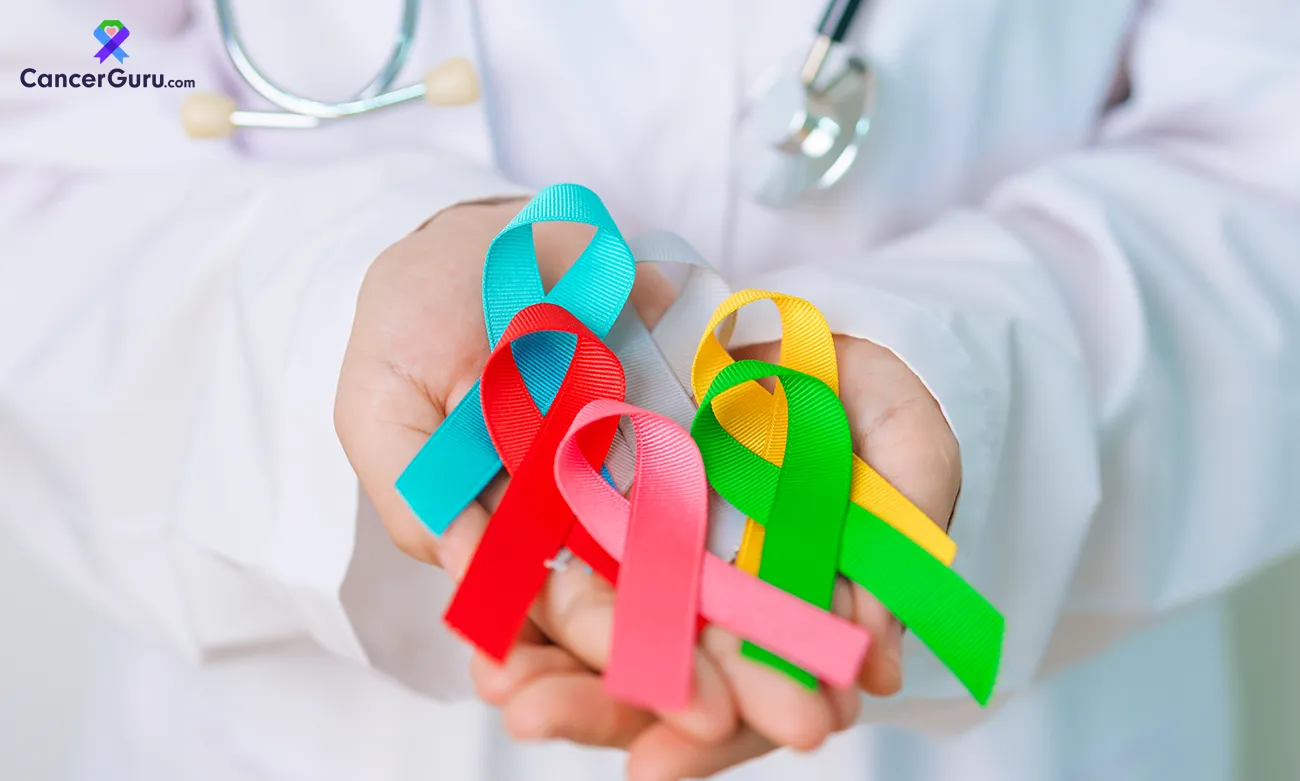
- Symbol: Gold ribbon is used worldwide. It stands for the value of children and their lives.
- Worldwide reach: About 400,000 children receive a cancer diagnosis every year. Most of these diagnoses happen in low- and middle-income areas.
- First warnings: Some symptoms to watch for include fevers that keep coming back, weight loss with no clear cause, swelling that looks unusual, headaches that do not go away, and very strong tiredness.
Ways to help
- Wear gold: Use a gold ribbon or wear gold items to show support.
- Back research: Give money to groups or children’s hospitals that focus on care for young patients and better treatments.
- Pass the word: Share helpful facts in your neighborhood so others can spot problems early.
Blood Cancer Awareness Month
Blood Cancer Awareness Month began in 2010. It is held in September each year. The point is to bring more focus to blood cancer. During this time, people aim to share straightforward facts. You can learn about the types of blood cancer. You can also review warning signs that show up often. The month also covers what treatment may involve. It highlights how illness can change a patient’s life. It also affects family members and close friends.
Blood cancer can include these conditions.
- Leukemia: This cancer starts in the tissues that help form blood. It may affect bone marrow. It can also involve parts of the lymph system.
- Lymphoma: This disease starts with immune cells. These cells help the body fight germs. The immune cells involved are called lymphocytes.
- Key date: World Lymphoma Awareness Day is seen across the world on September 15.
How to join in
- Wear a ribbon: Orange is often linked with leukemia. For lymphoma, many people choose a ribbon in lime green and violet.
- Pass on what you learn: Talk with others about early signs and symptoms. Encourage questions and honest sharing.
- Back research: You may donate or volunteer with groups that work for better care. Some groups also aim to find cures for blood cancer.
Gynecologic Cancer Awareness Month
Each September, people mark Gynecologic Cancer Awareness Month. The goal is to raise public understanding of cancers that start in the female reproductive system. It also highlights why finding trouble early can matter. This month spotlights cervical cancer, ovarian cancer, Fallopian tube cancer, uterine cancer, vaginal cancer, and vulvar cancer. During the month, organizers share information about what happens when cancer is found early. They also stress the need for prevention steps and quick care when symptoms show up.
Below are five types of cancer that may be highlighted.
- Cervical cancer: The risk can be lowered with the HPV vaccine. This cancer starts in the cervix. Pap tests can also find changes before they turn into something worse.
- Ovarian cancer: It begins in the ovaries. It is a major reason for cancer deaths. In the beginning, it may not cause clear symptoms.
- Uterine cancer: also called endometrial cancer. It can show up as odd bleeding. This is especially likely after menopause. The disease grows in the lining of the uterus.
- Vaginal cancer: It is less common. It starts in the vagina.
- Vulvar cancer: It usually appears on the outer parts of the female genital area.
Prevention and Early Detection
- Get vaccinated: The HPV shot can help prevent cervical, vaginal, and vulvar cancers.
- Get screened: Regular Pap smears and HPV tests can help find cervical changes earlier.
- Watch your body: If something feels off or does not clear up, reach out to a healthcare provider.
- Use available resources: You can look for tools, toolkits, and education materials at CancerGuru.com.
Ovarian Cancer Awareness Month
Ovarian Cancer Awareness Month is set up so people can spot possible symptoms sooner. When signs appear and someone takes them seriously right away, medical care may happen faster. That timing can help a doctor choose a proper care plan. It may also improve outcomes. The month also points to steps that may lower risk and reduce the chance of ovarian cancer.
Key points
- Awareness Color: Teal is the official color for awareness.
- Why it matters: Many people hear ovarian cancer grouped with other gynecologic cancers. For a lot of individuals, early warning signs do not stand out. Symptoms can be mild. Sometimes they are vague too. Because of that, they may be overlooked.
- World Ovarian Cancer Day: This observance happens every year on May 8. The goal is to get attention and encourage action around the world.
How can you help
- Wear teal: Wearing teal is a show of support for people living with ovarian cancer. It also remembers those who have died. Wear teal on Wear Teal Day, which falls in early September.
- Share resources: Pass along posts and materials from groups you trust. The Ovarian Cancer Research Alliance is one example.
- Join a fundraiser: Find charity walks or community events near you. These efforts support programs that help fund ongoing research.
Prostate Cancer Awareness Month
Prostate cancer is seen in many men. Each year in September, people mark Prostate Cancer Awareness Month. The purpose is to help more people understand the disease. It covers ways it may be prevented, factors that can raise the risk, possible early signs, and the care choices that exist. It also pushes men to contact a clinician sooner, so treatment can begin at the right time.
Key points
- This cancer ranks among the most frequently found cancers in men around the world.
- For the awareness effort, the light blue ribbon is the official symbol and color.
- In many cases, early prostate cancer does not cause clear symptoms.
Screening and finding it early
- PSA test: This is a basic blood test. It checks the level of prostate-specific antigen.
- DRE: A doctor may do a digital rectal exam. This lets them examine the prostate directly.
- What to do: Men should talk with a physician at about age 50. If a man is at higher risk, he should consider starting those talks closer to age 40.
Thyroid Cancer Awareness Month
Every September, Thyroid Cancer Awareness Month is marked by many people. The point is to put thyroid cancer in the spotlight. This includes prevention, possible risks, common signs, and available care options. Learning about it matters because early finding can make treatment go better.
What the month focuses on
- Early detection: Doctors and patients are encouraged to do simple checks of the neck during routine visits. The goal is to spot any lump or nodule sooner.
- Education: The month highlights the main thyroid cancer forms. These include papillary, follicular, medullary, and anaplastic types.
- Support: It also recognizes people living with this disease. It helps link patients to advocacy groups, such as the Thyroid Cancer Survivors’ Association, known as ThyCa.
Know the Signs & Symptoms
In addition to early detection screening for certain cancer types, recognizing the signs of cancer is the first step in a diagnosis.
| Sr. No. | Cancer Types | Signs & Symptoms |
|---|---|---|
| 1 | Blood cancers (Leukemia, lymphoma, multiple myeloma) | Swollen lymph nodes can show up, along with fevers that do not stop for a while. Night sweats are another clue. Some people also see dark patches or raised spots on the skin. Bleeding may start after something small, like mild rubbing. |
| 2 | Gynecologic cancers (cervical, ovarian, uterine) | Your belly may feel full or swollen. You may have pelvic or lower belly pain. Watch for bleeding that is not normal for you. |
| 3 | Pediatric Cancers | You could feel pain that stays in one spot. You may feel tired all the time. Skin tone can change for no clear reason. Weight loss without trying can also happen. |
| 4 | Prostate Cancer | You may have trouble urinating. There can be pain or pressure in the pelvic area. Blood in your urine is a related sign. |
| 5 | Thyroid Cancer | A new lump may appear in the neck. A cough that keeps going can also happen. You may find it hard to swallow. Your voice might turn hoarse. |
Cancer Screening and Early Detection Resources
Not every cancer is checked in the same way. Some cancers can be found by screening tests. These tests may spot illness or early changes before you feel anything.
Other cancers do not have screening for people who are at average risk. In those cases, routine screening is usually not advised.
What you are told to do can vary based on several things.
- Your age matters.
- So does your sex.
- Your family history plays a role too.
- Genetic risk can change the plan.
- Past health issues may matter as well.
- Other risk factors count too.
Resources for Caregivers and Families
Cancer can touch the entire family. Caregivers often step in for things like doctor appointments, treatment timing, medicine pickups, rides, meals, and the usual chores at home.
Here are some easy ways to support someone who has cancer:
- Write down questions before appointments
- Jot notes during key talks
- Help sort medicines and set reminders for visits
- Offer rides and help with cleaning or errands
- Read up on the diagnosis and treatment
- Respect what the person wants and chooses
- Seek help for yourself, so you do not burn out
You do not have to know everything. Being a good listener and handling small needs every day can truly help.
Find Cancer Information and Support with CancerGuru
Getting solid cancer info is hard at first. This can be true after a new diagnosis. It can also happen when you are scared about symptoms. CancerGuru shares information made for patients. It covers many kinds of cancer. You can read about symptoms and risk factors. You can also learn about diagnosis and treatment. The site also discusses what life can look like after treatment. With CancerGuru, you can focus on the cancer that fits your situation. You can also get help with medical terms. And you can use what you learn to write better questions for your doctor.
Recent Posts
-

Nutrition During Cancer Therapy: What to Eat for Strength and Recovery
September 30, 2026 -

Ovarian Cancer Symptoms Women Often Miss
September 23, 2026 -
Leukemia vs. Lymphoma: Key Differences Explained
September 14, 2026 -

Signs and Symptoms of Childhood Cancer Parents Shouldn’t Ignore
September 8, 2026 -

Returning to Work After Cancer Treatment
September 3, 2026 -

Genetic Testing to Understand Your Family History
August 27, 2026 -

Talking to Children About a Parent’s Cancer Diagnosis
August 19, 2026 -

Managing Appetite Loss & Taste Changes During Cancer Treatment
August 14, 2026 -
Myths vs. Facts About Lung Cancer: Smokers vs. Non-Smokers
August 7, 2026