Lung Cancer Screening: Who Qualifies, Guidelines, and What to Expect
13 Nov 2026
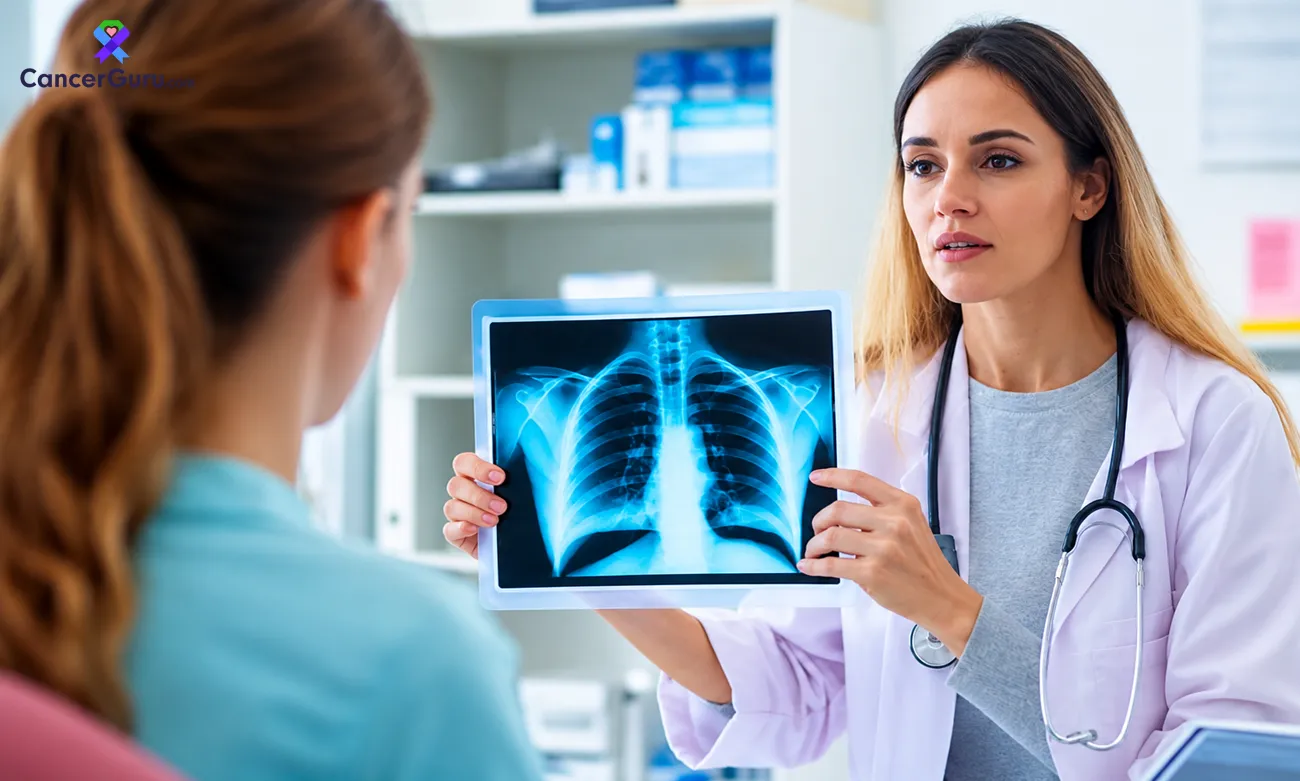
Most lung cancer is detected in the later stages, which is one of the many reasons screenings for lung cancer is recommended for individuals at high risk. Unlike other diseases, lung cancer usually develops with little to no symptoms, leaving people at high risk, like heavy smokers, unaware. Small changes in the lungs can be seen before any symptoms of the disease appear, which screening can detect. A smoking history, especially one with heavy cigarette smoking, will benefit from regular screening as it will detect cancer in a treatable stage and location. Should everyone undergo lung cancer screening? If so, what should they expect during the exam and when should they consider screening? The eligibility criteria for screening will be discussed, along with the screening process and results. All the information will be laid out for the reader prior to the appointment.
What is Lung Cancer Screening?
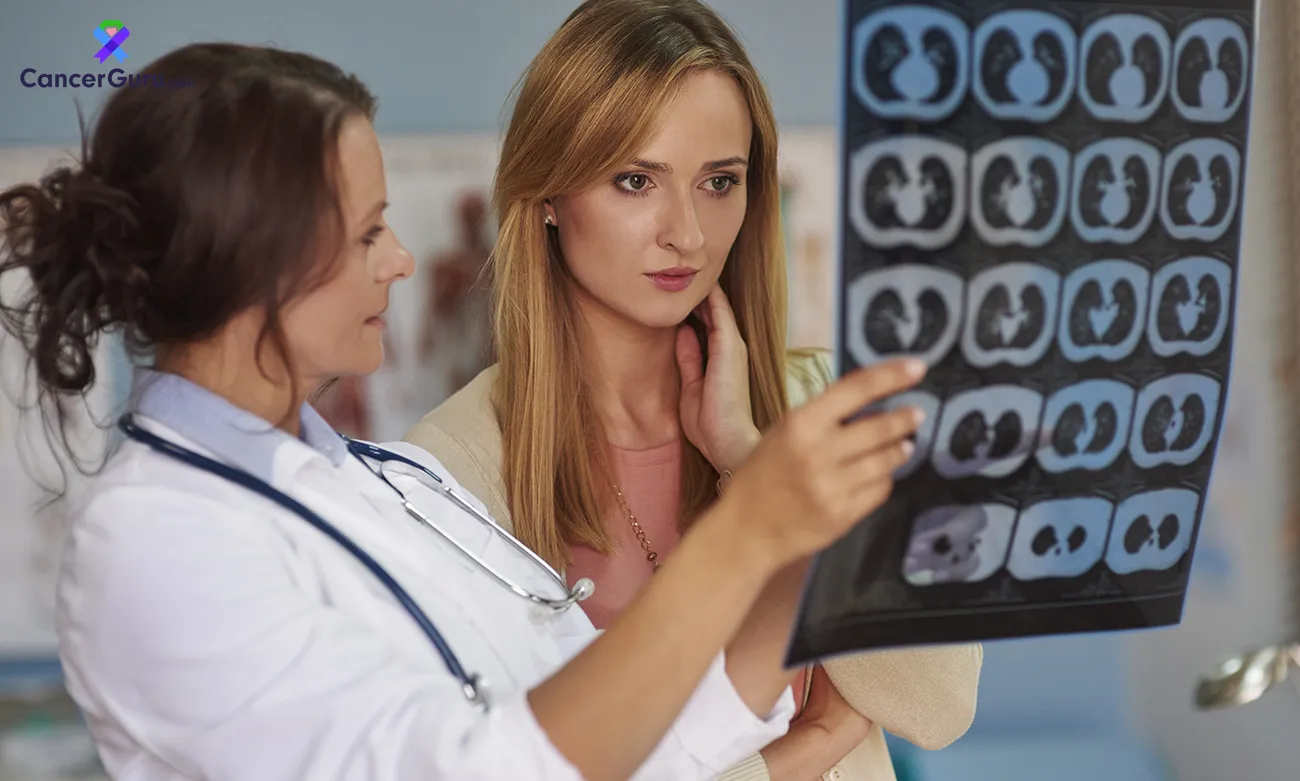
Screening for lung cancer helps people who are at higher risk for lung cancer and may have no symptoms, determine the likelihood of cancer being present. The recommended lung cancer screening technique is known as the low-dose computed tomography (LDCT) test. It is radiation based and utilizes very low levels of radiation to take pictures of the lungs that are then used by doctors to find tiny lung nodules. Unlike other tests that are usually performed after patients notice or experience some sort of symptoms or medical concerns, lung cancer screening aims to find lung cancer even before it starts. This test is highly encouraged in high-risk patients with a history of smoking, especially since lung cancer is known to grow because of cigarette smoking.
Why do you need Lung Cancer Screening?
One goal of Lung Cancer Screening is to detect cancer when the cancer is more treatable. In most instances, lung cancer is detected in advanced stages when patients have already begun showing symptoms. Unlike diagnostic testing, Lung Cancer Screening occurs in the absence of any symptoms. As such, screenings occur for high-risk patients.
Who is eligible for Lung Cancer Screening?
According to the American Cancer Society, annual low dose CT screening should be done for people aged 50-80 who are current or past smokers with a history of at least 20 pack years of smoking. For those who may not be clear, one pack year is equal to smoking one pack per day for one year. So, if a person smokes 2 packs a day for 10 years, they have 20 pack years of smoking. There is some variation in how different insurance companies and even hospitals and clinic systems may view the criteria. For this reason, it is always a good idea to speak with your personal doctor about your health circumstances. The recommendations on whether to do lung cancer screening are very dependent on an individual's specific health and circumstances. People without symptoms who feel that they should be screened due to their lifestyle, such as cigarette smoking, should always consult their physician. A doctor may order diagnostic testing to confirm the existence of a suspected medical issue.
What are the risks of screening?
Lung cancer screening has three main risks.
- One of these risks is a false-positive result, which can cause an individual to be told they have cancer when they don't. This can lead to unneeded tests and potentially harmful surgeries.
- The second risk is called overdiagnosis, in which lung cancer screening detects cancers that would never cause the person any problems.
- Repeated low-dose CT scans (LDCT) can lead to the development of cancer in an otherwise healthy person.
Talk with your doctor about your risk of lung cancer and the risks of being screened. If lung cancer screening is right for you, then your doctor will recommend a facility that offers the highest level of screening.
What to expect on Lung Cancer Screening?
Lung cancer screening involves a low-dose computed tomography (CT) scan and can be completed in a few minutes, painlessly and non-invasively, to screen for lung cancer at a stage when it is most treatable.
Before the Scan
- Preparation: Lung cancer screenings require absolutely no preparation; there is no need to fast or change your diet. You can also take any of your medicines.
- Clothing and Jewelry: What to wear is anything comfortable. Don’t wear any jewelry, including glasses or an underwire bra. Metal things can cause artifact in images.
- Talk to your care team: Notify the healthcare team about any respiratory issue like a new cough.
During the Scan
- Positioning: During your lung cancer screening, you will lie flat on your back on a narrow table that will gently slide into an open, doughnut-shaped scanner. The scan is completely different from an MRI in that the opening is large.
- Breathing: The scanner technologist will instruct you to hold your breath for about 10–20 seconds to allow for clear imaging of the lungs.
- Time: The lung cancer screening scan itself takes less than a minute. Your entire appointment will be made, and you will be out in less than 15 minutes. It is quick, easy, and completely painless.
After the Scan
- Return to regular activities: Normal eating, medication and other routine daily activities are fine immediately after the scan.
- Results: The pictures are sent to a radiologist to be interpreted. Typically, within 2–3 weeks of your lung cancer screening, your doctor will contact you and let you know what your lung cancer screening images showed, as well as let you know the next steps, if there are any.
When should lung cancer screening end?
Lung cancer screening should be stopped if a person is:
- 81 years of age, or older
- Hasn’t smoked for 15 years, or
- Develops health problems that make surgery impossible or inadvisable.
Does getting screened for lung cancer make a difference?
Having a lung cancer screening done increases the chance that a person with lung cancer gets a diagnosis at a point where it can be easily treated. This can reduce time and stress for someone. Researchers found that about half of the patients who receive lung cancer screenings each year are diagnosed with lung cancer while it is still early in the progression of the disease. This is significantly higher than the 28% of the population diagnosed with early-stage lung cancer.
Recent Posts
-
Ovarian Cancer Symptoms Women Often Miss
23 Sep 2026