
When Immune Cells Stop Fighting Cancer and Start Helping It?
February 24, 2026
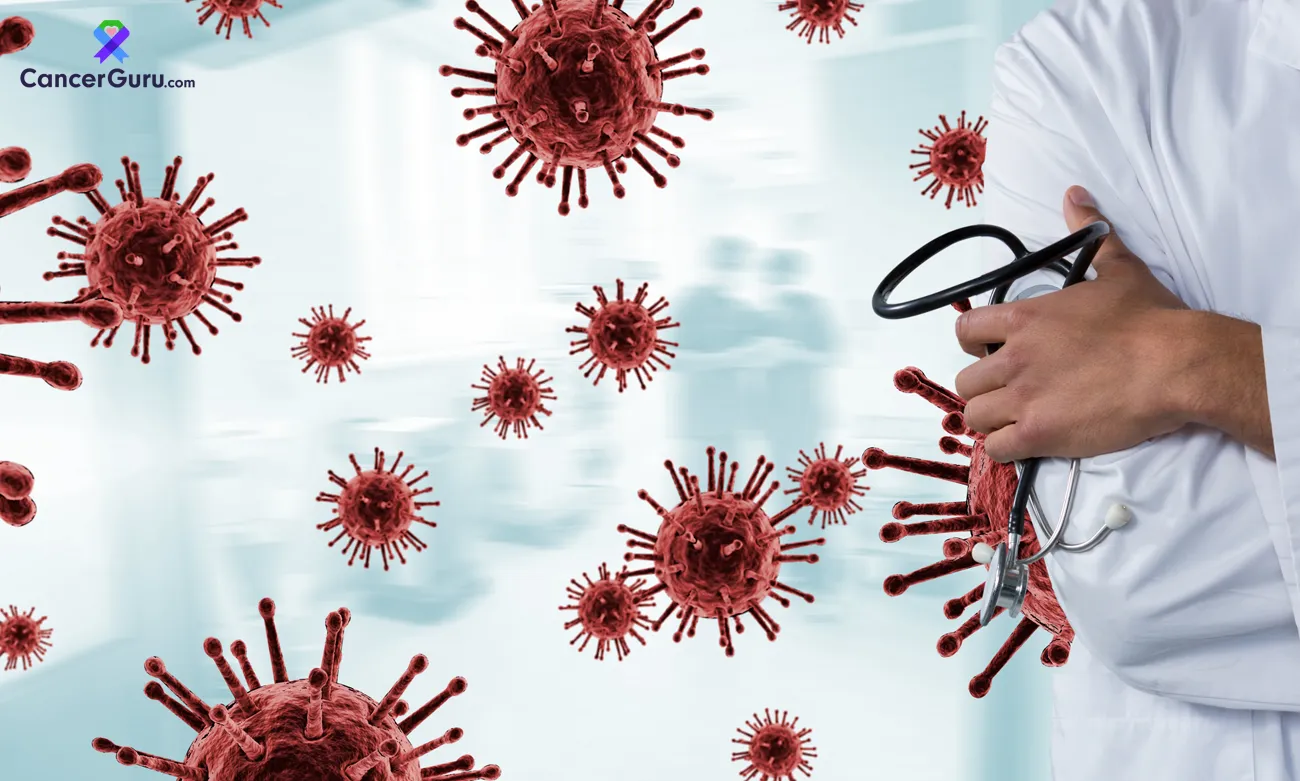
People explain cancer as a conflict that occurs between the human body and the disease itself. In this battle the immune system serves as the protagonist which fights against dangerous cells by detecting their presence and eliminating them before they can inflict harm. The disease demonstrates its intelligent nature by using its attacking methods. The disease demonstrates its ability to escape immune system detection while it modifies immune system functions. Some immune cells that should protect the body can be persuaded to protect the tumor instead.
Research in this field has revealed the mechanisms behind this phenomenon, which now shapes doctors' and researchers' cancer treatment approaches.
The Immune System’s Original Mission
Immune cells patrol the body on a continuous basis during typical conditions. Their responsibility involves identifying hazardous elements that include viruses and bacteria and damaged cells and abnormal cells. Immune cells begin to attack when they identify something suspicious because this leads to inflammation and cell death that protects against threats.
Early cancer cells are often removed this way without anyone ever knowing they existed. The body uses this process which medical professionals refer to as immune surveillance to protect itself against cancer.
How does cancer manage to bypass the body defense system?
How Cancer Learns to Hide in Plain Sight
Cancer achieves success through its ability to adapt rather than its capacity for direct combat. The disease sustains its operations through its capacity to adapt to new challenges.
Tumors experience continuous transformation throughout their growth. The immune system destroys cells which can easily identify in the initial stage. The remaining cells possess enhanced abilities to conceal themselves while defending against attacks and altering their environment. The tumor develops into a collection of cells which can live in harmony with the immune system or take control of its functions.
Cancer employs its primary method by creating alternate environments which surround it. The tumor microenvironment system enables cancer cells to survive and after that they will combat against the defenses of the immune system.
The Tumor Microenvironment: A Cancer-Controlled Ecosystem
The tumor microenvironment is not empty space. The space functions as an active ecosystem which contains blood vessels and connective tissue and signaling molecules and various immune cell types.
The immune response functions properly when immune cells reach damaged areas to begin the process of inflaming the area while destroying all abnormal cells. The cancer process causes this response to change into its final form.
Tumor cells release chemical signals which attract immune cells, but these signals do not activate the cells instead they alter their normal behavior. The body switches from its active defense stance to a process that resembles healing of wounds. The process begins as a minor change which develops into a highly powerful transformation.
The immune cells establish permanent residence in the environment which has been developed. The immune cells function as a component of the tumor’s supporting network.
Macrophages: When Cleanup Crews Become Construction Workers
Macrophages function as immune cells which perform their primary function as scavengers. The cells consume bacteria together with dead cells and debris to maintain tissue cleanliness. The cells advance the healing process by initiating tissue restoration work.
Cancer uses this function which enables healing.
Researchers identify two macrophage types within tumors: regular macrophages and tumor-associated macrophages. The macrophages cease their function of destroying cancer cells to assist cancer cells through three different methods.
- The cells produce growth signals which enable cancer cells to increase their numbers.
- The cells enable new blood vessels to develop which deliver oxygen and nutrients to tumors.
- The cells reduce immune cell functions which could potentially target the tumor.
- The cells enable cancer cells to move into nearby tissues while also spreading to other parts of the body.
Tumor-associated macrophages constitute a significant portion of tumor mass in some cancer types. The presence of these tumor-associated macrophages usually results in more aggressive disease development which leads to worse health outcomes.
T Cells: Powerful Fighters Forced into Exhaustion
The immune system uses T cells as its most effective and lethal weapon against cancer. Their normal function enables them to identify cancer-specific signals which result in the destruction of cancerous cells.
The cancerous tumors have developed methods to render this specific danger harmless.
T cells in tumors face continuous activation which results in their ultimate failure to fight. The process establishes a condition which health experts call immune exhaustion. T cells that reach exhaustion maintain their physical existence, yet they become unable to perform their attacking functions.
The tumor cells generate signals which function as activation deactivation systems for T cells. The signals instruct T cells to decrease their activity until they reach complete motionlessness which prevents them from initiating an immune response against cancer cells.
Tumors display numerous immune cells, yet their actual growth remains unrestrained.
Regulatory Immune Cells: When Protection Becomes a Problem
The immune system contains native mechanisms which stop excessive inflammation from damaging healthy body parts. The body uses regulatory immune cells to stop immune reactions after it successfully neutralizes all threats.
The cancerous cells use this safety feature to their advantage.
The presence of tumors attracts more regulatory immune cells which establish an area of immune suppression around them. The environment prevents active immune cells from operating while inflammatory signals remain low. This situation enables cancer cells to expand their territory without encountering major obstacles.
The body needs these regulatory cells to maintain healthy tissues because they prevent autoimmune diseases. However, their presence inside tumors creates negative effects which harm the patient.
Chronic Inflammation: A Double-Edged Sword
Inflammation functions as an essential immune defense mechanism which responds to both injury and infection. The process establishes protection against threats while supporting the body's healing process. The situation becomes different with chronic inflammation.
Tumors maintain a condition of continuous weak inflammation which extends over time. The body experiences this type of inflammation which fails to kill cancer cells but instead induces DNA damage while producing blood vessels that sustain tumor growth.
Various immune cell types establish this persistent inflammatory condition which unknowingly speeds up tumor development. This explains why persistent inflammation in multiple body parts increases the danger of developing cancer.
Why Cancer Benefits from Immune Cooperation
Tumors gain substantial benefits through their ability to convert immune cells into supporters.
- Camouflage: Cancer becomes harder for the immune system to recognize as dangerous
- Protection: The body blocks harmful immune responses through active defense mechanisms
- Nutrition: New blood vessels supply oxygen and nutrients
- Mobility: Cancer cells gain assistance in invading tissue and spreading
- Treatment resistance: Many therapies rely on immune activation, which tumors can block
The relationship between cancer cells and immune cells accounts for the rapid tumor growth observed in cases where the immune system appears to function normally.
How This Discovery Altered Cancer Treatment Methods
For many years, medical professionals used surgical procedures along with chemotherapy and radiation treatment to eliminate cancer cells from patients. The essential part of these treatment methods needs to be understood because they fail to provide complete solutions for understanding how the immune system functions.
The discovery that cancer cells can control specific immune cell functions established a new therapeutic approach which now combines tumor treatment with immune system training.
Immunotherapy works by eliminating the obstacles which stop immune cells from operating at their full potential. Some treatments release the "brakes" on T cells which enable them to resume their cancer-fighting activities. The other treatments work to decrease immune suppression within the tumor microenvironment while attempting to convert immune cells back into their cancer-fighting state.
Immunotherapy shows effectiveness against cancer types while helping specific patient groups but it has generated extended treatment results for cases where conventional therapies proved ineffective.
What This Means for Patients and Caregivers
The concept that immune cells can assist in combating cancer creates anxiety for patients. The theory contradicts the established understanding which holds that. The acquisition of this knowledge provides individuals with empowering capabilities.
The understanding of cancer as a disease that transforms its environment instead of existing as a group of abnormal cells explains the need for customized treatment approaches. The explanation shows that new treatment methods will use immune system modulation instead of targeting cancer cells directly.
CancerGuru exists to create understanding between advanced cancer research and the knowledge that patients need to comprehend. The platform of CancerGuru combines medical knowledge with research findings from experts to deliver understandable content which helps patients make informed healthcare selections.
People should find it easy to access cancer knowledge without facing difficulties which lead to feelings of being overburdened. Patients who comprehend their internal bodily functions gain better ability to participate in treatment discussions with their healthcare teams and approach their medical process with assurance.
Looking Ahead: Turning the Tables on Cancer
The ability of immune cells to promote cancer development demonstrates how both cancerous cells and immune system components possess high levels of flexibility.
Researchers gain new treatment possibilities through their investigations into tumor mechanisms which affect the behavior of immune cells. The researchers aim to develop treatment methods that will disable dangerous immune signals while transforming active immune cells and increasing anti-tumor defense mechanisms.
The future of cancer treatment requires doctors to eliminate tumor cells while they assist patients in restoring immune system functionality to their natural state.
Final Thoughts
The battle against cancer presents a difficult challenge because both cancer cells and immune system components demonstrate their unique strengths and weaknesses. The relationship between these two elements creates a sophisticated system which determines how patients experience their illness and how medical professionals address their needs.
Scientists base their research on immune cells because they show how to transform protective elements into dangerous components. The platforms use clear educational materials that target patients to ensure that vital information reaches the individuals who require it most.
People fighting against cancer gain strength through their understanding of how the disease operates because knowledge of how the immune system functions as a dual defense system leads to better cancer control methods.
Image Credit: creativeart at FreePik
Recent Posts
-

Cancer Awareness Resources: Types, Symptoms, Screening & Support
October 6, 2026 -

Nutrition During Cancer Therapy: What to Eat for Strength and Recovery
September 30, 2026 -
Ovarian Cancer Symptoms Women Often Miss
September 23, 2026 -

Leukemia vs. Lymphoma: Key Differences Explained
September 14, 2026 -

Signs and Symptoms of Childhood Cancer Parents Shouldn’t Ignore
September 8, 2026 -

Returning to Work After Cancer Treatment
September 3, 2026 -
Genetic Testing to Understand Your Family History
August 27, 2026 -

Talking to Children About a Parent’s Cancer Diagnosis
August 19, 2026 -

Managing Appetite Loss & Taste Changes During Cancer Treatment
August 14, 2026