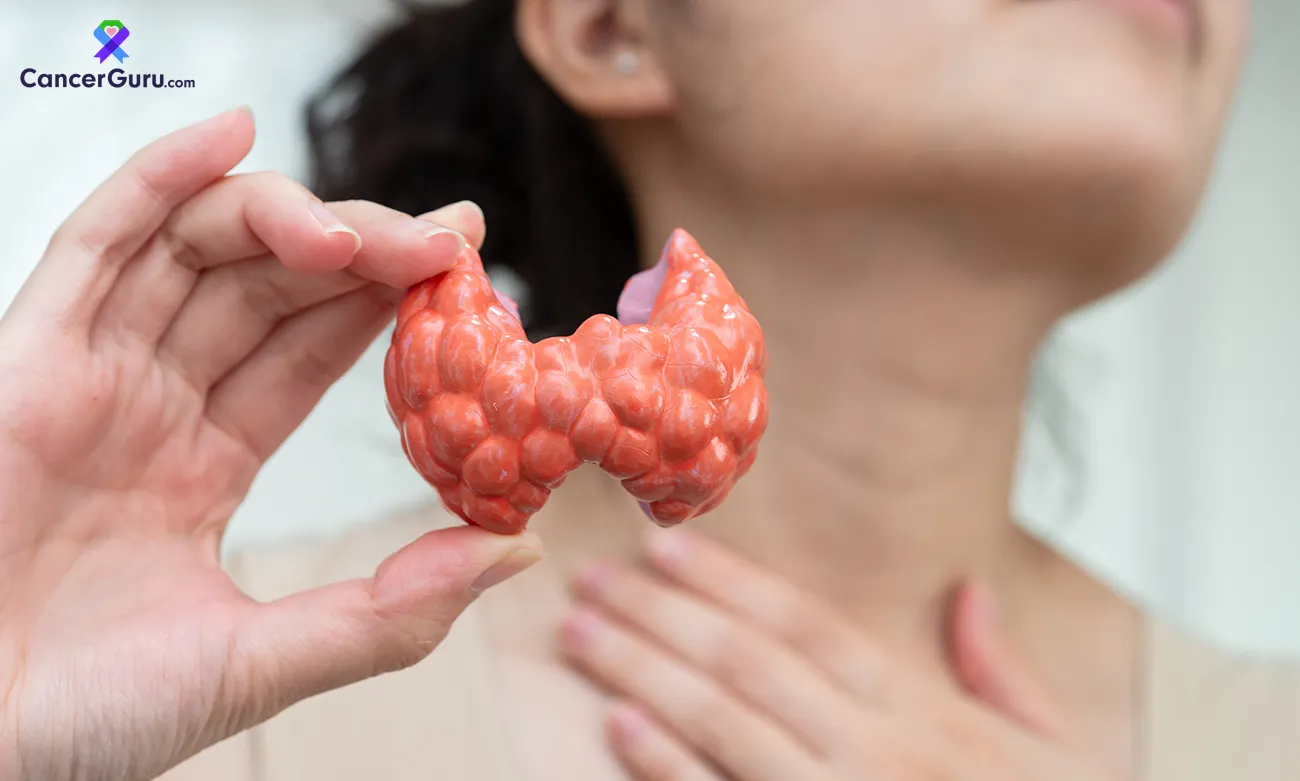
Managing Appetite Loss & Taste Changes During Cancer Treatment
August 14, 2026

The flavor, fragrance and texture of food can all be changed by cancer therapy, not always in the same way though. You might notice a metallic or bitter taste, or you stop caring about foods you used to like, also everything can suddenly seem flat or dull. Loss of appetite is common too, especially after chemotherapy, radiation therapy, or other similar treatments.
Even small changes can make meals seem a bit more tolerable, but sometimes they end up doing the opposite, like it becomes harder to take in enough nourishment. You don’t want to push yourself into eating giant portions, that’s not the goal. Instead, focus on taking in enough water, calories, protein, and minerals, in formats and approaches that feel tolerable to you.
Why Does Cancer Treatment Affect Appetite and Taste?
Treatment can mess with your appetite in a few different ways, like a chain reaction. Chemotherapy may shift your sense of taste, and smell too, plus radiation therapy aimed at the head or neck can impact the mouth and salivary glands. Then there’s nausea, dry mouth, mouth sores, constipation, pain, tiredness, and even stress— all of that can make meals feel less tempting, or just harder to manage.
Some people notice a metallic taste, and other people find that sweet foods suddenly taste overly sweet. Others, too, say that meat feels wrong, almost unpleasant, like it isn’t what it used to be. These changes might be temporary, yet they can linger and only start to settle down some time after treatment stops.
What can I do if I notice my appetite or taste changes?
If you’re dealing with this during chemo, there are a few practical things you can try, and they don’t all need to feel perfect right away.
First, talk with your health care team about side effects, even if they feel minor. They can sometimes suggest specific medicines or other ideas that help.
You can also meet a registered dietitian because they usually can help you get enough protein and calories without making every meal a struggle.
Next, see your dentist, just to check for dental problems that might quietly affect taste or smell.
If red meat suddenly seems off, try switching to poultry, eggs, dairy products, or mild-tasting fish.
You might also marinate meat, poultry, or fish in sweet fruit juices, salad dressings like Italian dressing, or other sauces like sweet-and-sour sauce.
When you cook, use small amounts of flavorful seasonings such as basil, oregano, or rosemary. If you’re not into it, even adjusting the type of spice can help.
You can try tart foods like oranges, lemons, or limes, unless you have mouth or throat sores, then you may need to avoid anything too sharp.
Also try not to be around cooking smells, if that’s making you feel worse.
Serving foods cold or at room temperature can make it easier too.
You can use bacon, ham, or onion to add extra flavor to vegetables, which might make them more enjoyable even when your taste feels different.
If foods taste salty, bitter, or acid, add sweetener or sugar, to balance it out.
If you notice a metallic taste, use plastic utensils, not metal ones. And try cooking in glass pots and pans instead of metal ones.
When possible, choose fresh or frozen fruits and vegetables instead of canned items.
Eat food you like at any time in the day. Keep snacks close by, like near the place where you sit.
Most of your drinks should be taken between meals. That way you may feel less full too early while you’re eating.
Pick liquids that bring nutrients plus calories throughout the day. It can help to try drinking through a straw too.
Also, keep high-calorie, high-protein foods within reach so you can snack on them, during the day.
Aim for smaller meals 5 to 6 times a day, instead of 3 big meals.
If you have mouth sores, diarrhea, constipation, uncontrolled pain, or nausea, tell your provider right away so those problems can be managed and treated.
Keep your mouth clean, brush your teeth regularly.
You can also try sugar-free gum, mints, or hard candy.
Remember, everyone’s medical history and diagnosis are different. Each person reacts to treatment differently. Side effects might be severe, mild, or not happen at all. Before you start treatment, talk with your cancer care team about what side effects could show up.
How to Manage Appetite Loss?
Eat on a schedule, don’t wait till you feel hungry; set a timer and take a small bite every few hours.
Prioritize protein early, when your energy is at its best go for high calorie and high protein foods first.
Drink your nutrition, like sip a high protein smoothie or a milkshake, or use nutritional liquid supplements if solid food feels a bit too heavy.
Separate liquids from meals too, have most of your fluids between meals instead of during them so you don’t feel too full too fast.
How to Cope with Taste Changes?
- If you get those weird metallic tastes, try switching from metal silverware to plastic utensils, and try to avoid canned foods by using glass or plastic containers instead.
- For strange flavors, you can suck on sugar-free lemon drops, mints, or hard candies before eating, so your palate feels refreshed.
- When it comes to swap red meat, if beef or pork tastes bitter or metallic, replace it with chicken, eggs, dairy, or plant-based proteins.
- modify food temperatures: eat meals cold or at room temperature, because it can lessen those heavy aromas that tend to trigger nausea.
Give Yourself Time
You might find that appetite and taste changes feel frustrating, but they’re usually part of the whole treatment journey, in a slow way. Some days you’ll like one thing, and the next day it seems useless, and honestly that’s okay.
Look at different foods, try smaller portions whenever you are able, and keep fluids close by. Most importantly, don’t feel guilty if eating suddenly gets harder. Your body is managing a lot right now, in a very steady way.
If the issue keeps going, like you can’t get enough food, you notice weight is dropping without any effort, or swallowing becomes hard, let your healthcare team know. Getting the right help sooner rather than later can make eating, and the recovery part, a bit easier.
Recent Posts
-

Cancer Awareness Resources: Types, Symptoms, Screening & Support
October 6, 2026 -

Nutrition During Cancer Therapy: What to Eat for Strength and Recovery
September 30, 2026 -
Ovarian Cancer Symptoms Women Often Miss
September 23, 2026 -

Leukemia vs. Lymphoma: Key Differences Explained
September 14, 2026 -

Signs and Symptoms of Childhood Cancer Parents Shouldn’t Ignore
September 8, 2026 -

Returning to Work After Cancer Treatment
September 3, 2026 -

Genetic Testing to Understand Your Family History
August 27, 2026 -

Talking to Children About a Parent’s Cancer Diagnosis
August 19, 2026 -

Myths vs. Facts About Lung Cancer: Smokers vs. Non-Smokers
August 7, 2026