Myths vs. Facts About Lung Cancer: Smokers vs. Non-Smokers
August 7, 2026
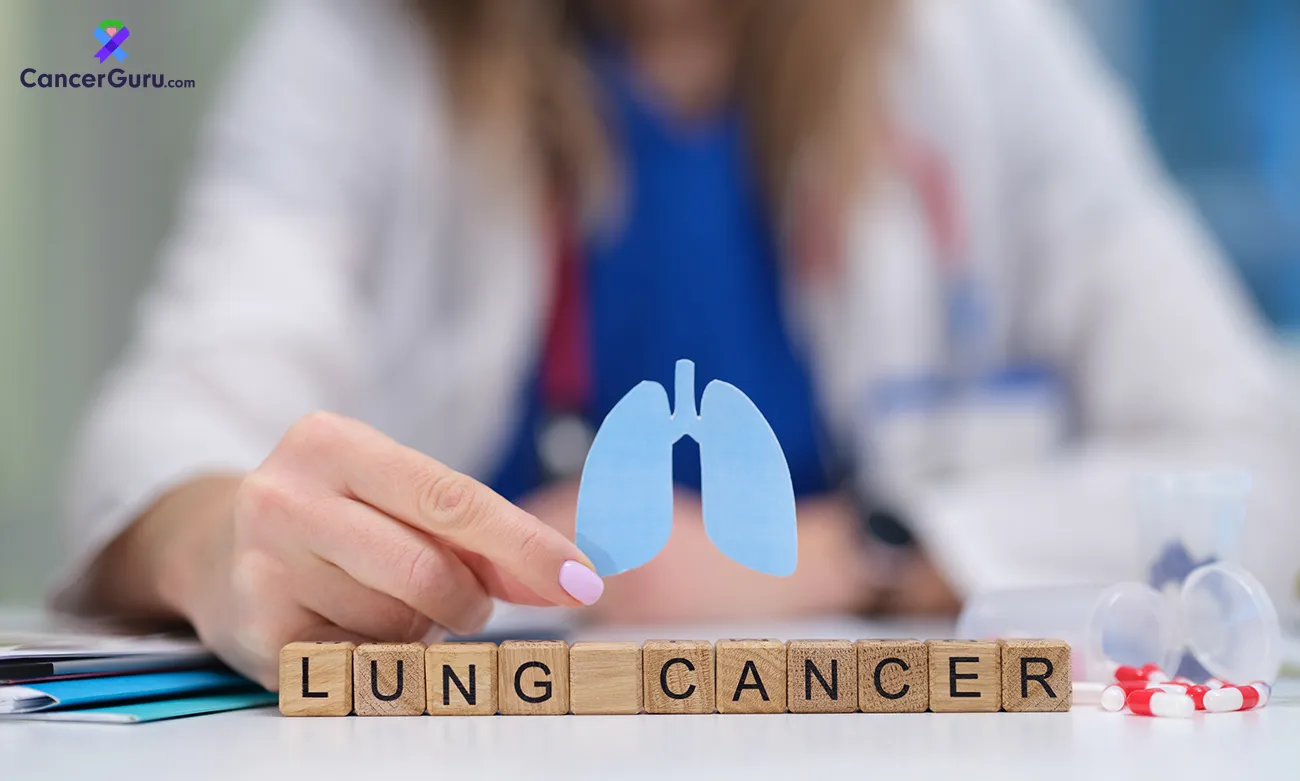
Lung cancer is one of those diseases that people misunderstand a lot, globally. For decades it’s been tied together with smoking, so many people end up thinking only smokers are at risk. Sure, smoking is a major cause, but it doesn’t explain everything.
There isn’t a single drink that can “cure” cancer, but staying hydrated and picking nutrient rich beverages can help you feel better, keep your strength up, and support the whole healing process your body is doing.Every year thousands of people who have never smoked at all are diagnosed with lung cancer. Some of them even wait longer to see a doctor because they’re convinced their symptoms must be something else, since they never touched a cigarette. And at the same time, a lot of smokers assume lung cancer is inevitable, even after quitting.
The real situation is in the middle. If you know the facts, you can spot risk factors earlier, seek medical help sooner, and make better health decisions overall. So, the most common myths, and facts are listed below with what’s true.
Myth 1: Only Smokers Get Lung Cancer
Fact: Anyone can develop lung cancer.
Most lung cancer cases are linked to smoking, but that’s not the only part of the story, you know. People who have never smoked make up 10% to 20% of all lung cancer cases. And even if lung cancer in nonsmokers were treated like a separate illness it would still rank among the chief causes of cancer deaths worldwide.
Long-term contact with secondhand smoke, radon gas, polluted air, asbestos, diesel exhaust, or inherited genetic changes can bring on lung cancer in people who’ve never smoked. Still, doctors often cannot identify one clear reason, so it stays a bit of a mystery.
That’s why it matters not to dismiss ongoing symptoms just because you don’t smoke. Lung cancer doesn’t choose based on your smoking history.
Myth 2: If You Don’t Smoke, then Lung Cancer Isn’t a Real Thing
Fact: Non-smokers still carry some risk, even if it’s much lower.
A lot of people think lung cancer can’t happen unless you smoke. But, honestly, that idea is wrong. Lung cancer among non-smokers is showing up more often lately, especially in women, and sometimes even in younger adults.
One of the more frequent forms found in non-smokers is adenocarcinoma. This cancer tends to take shape in the outer areas of the lungs, and for a while it may not trigger obvious symptoms, not until it gets bigger, or more settled.
Being a non-smoker doesn’t mean you should live in fear. It just means you shouldn’t brush off ongoing signs like a stubborn cough, or unexplained weight decline, chest discomfort, or shortness of breath. Getting checked earlier can make a huge difference in practice.
Myth 3: Stopping Smoking Doesn’t Help Once the Damage Is Done
Fact: It’s never too late to quit smoking.
Some people who smoke for years think that it won’t matter, like the damage is locked in already. But in truth, the body start repairing itself quite fast once you stop, even if it feels like “too late” in the moment.
As time goes on, your risk of lung cancer gradually comes down. It won’t match the level of someone who never smoked, sure but quitting still meaningfully lowers your odds of lung cancer and several other serious diseases.
And when you stop, circulation gets better, lung function improves, and heart health does too. You also gain a stronger ability to bounce back from sickness or surgery. If you already have lung cancer, quitting can even support better treatment results and fewer complications, not always the same for everyone though.
Myth 4: Lung cancer always means early symptoms, right?
Fact: Early lung cancer quite often comes with no real warning signs.
One reason lung cancer is dangerous is that it can grow quietly for months, even years, without showing anything you’d notice.
A lot of people genuinely feel fine until the disease ends up in a more advanced stage. And then when symptoms finally show up, they might look like a cough that won’t settle, coughing up blood, chest pain, wheezing, getting chest infections again, tiredness, or weight loss that you can’t explain.
For people at higher risk, especially those who smoke long term, low dose CT screening may help, because it can spot lung cancer before symptoms begin.
Myth 5: Every persistent cough means lung cancer
Fact: Most long-lasting coughs come from stuff other than cancer.
Most folks diagnosed with lung cancer are over 65, but that doesn’t mean younger adults are safe, not even a little. Over the last several years, doctors have also noticed more lung cancer cases in people who are younger and who have never smoked.
Some of these tumors connect back to genetic changes, and not to smoking habits. Since younger adults often don’t see themselves as at risk, the diagnosis might come late, sometimes much later than it should.
Age should never be the only thing used to decide if symptoms deserve looking into it.
Myth 7: Lung Cancer Is Always Fatal
Fact: A lot more people are living longer these days, largely because they’re finding it earlier, plus treatment is getting a lot better and more precise.
Long ago, the options for lung cancer were limited, it was harder to manage. Now the outlook is improving in real ways because of progress in surgery, radiation therapy, chemotherapy, targeted therapy, and immunotherapy. Sometimes even the plan feels more “tailored” or adaptable than before.
People whose cancer is found at an early stage often get more choices for care, plus better survival rates. And even if someone has advanced lung cancer, there can still be personalized treatments that help keep the disease in check for months, or sometimes even years.
So yes, lung cancer is still a serious condition, but it’s no longer correct to treat it like an automatic death sentence, full stop.
Myth 8: Smoking Is the only cause of Lung cancer
Fact: Smoking is the main driver, but a few other things can also boost risk, you know.
Apart from using tobacco, lung cancer has been tied to being around radon gas, secondhand smoke, asbestos, silica, diesel exhaust, air pollution, having previous radiation therapy in the chest, and even certain inherited genetic mutations.
And sometimes, people end up with lung cancer even when there are no obvious danger factors, or anyone can point to. Scientists keep digging into why that happens, in other words how it occurs.
When people grasp these various hazards, it helps them make better health choices and it also supports getting checked early if symptoms show up.
Myth 9: E-Cigarettes and vaping are safe, like no worries
Fact: The long-term impacts on health are still being figured out.
E cigarettes don’t make tobacco smoke, but they do put users in contact with chemicals that could, in time, mess with lung health. It’s not like the vapor is “pure,” and researchers are still working out what that means.
Scientists are still checking if long run vaping raises the chances of lung disease, and even cancer. Some people use cigarettes as part of a smoking cessation approach, ok, but that doesn’t mean it’s automatically harmless.
If you don’t smoke right now, there’s no actual health upside to starting to vape, so it’s better to skip it.
Why Awareness Matters
In lung cancer, one of the toughest parts is the stigma, and it hangs around. A lot of folks just assume that every person had smoked, or that the illness was somehow self-inflicted. And because of that, people might not reach out for support. Even worse, some non-smokers may feel lung cancer is “not for them,” as if the situation is impossible.e
The truth is far more nuanced, honestly, Smokers, ex-smokers, and nonsmokers all sit with lung cancer risk. It’s not only one person, in that sense. Every patient should be given access to the best care that is possible, with a prompt diagnosis, and some genuine compassion, too.
Also, education saves lives. If people can recognize the signs, understand personal risk factors, and get medical advice earlier, then diagnoses often happen sooner. And when that happens, treatment is frequently more successful.
Final Thoughts
Lung cancer myths, yes they can spark unnecessary fear, confusion, and this extra stigma that feels pointless. While smoking is still the leading risk factor, it isn’t the only driver here. Even people who never smoke can develop lung cancer, and if you stop smoking, those future risks can drop a lot, like a real noticeable amount.
So, the best way forward is to learn facts not to guess. Learn the warning signs, get a sense of your own personal risk, avoid tobacco, and don’t just dismiss symptoms that linger. Whether you’re currently smoking, you used to smoke, or you’ve never smoked at all, staying informed is one of the more powerful ways to guard your health and keep things in perspective.
Recent Posts
-
Cancer Awareness Resources: Types, Symptoms, Screening & Support
October 6, 2026 -

Nutrition During Cancer Therapy: What to Eat for Strength and Recovery
September 30, 2026 -
Ovarian Cancer Symptoms Women Often Miss
September 23, 2026 -
Leukemia vs. Lymphoma: Key Differences Explained
September 14, 2026 -

Signs and Symptoms of Childhood Cancer Parents Shouldn’t Ignore
September 8, 2026 -

Returning to Work After Cancer Treatment
September 3, 2026 -

Genetic Testing to Understand Your Family History
August 27, 2026 -

Talking to Children About a Parent’s Cancer Diagnosis
August 19, 2026 -

Managing Appetite Loss & Taste Changes During Cancer Treatment
August 14, 2026