Signs and Symptoms of Childhood Cancer Parents Shouldn’t Ignore
September 8, 2026
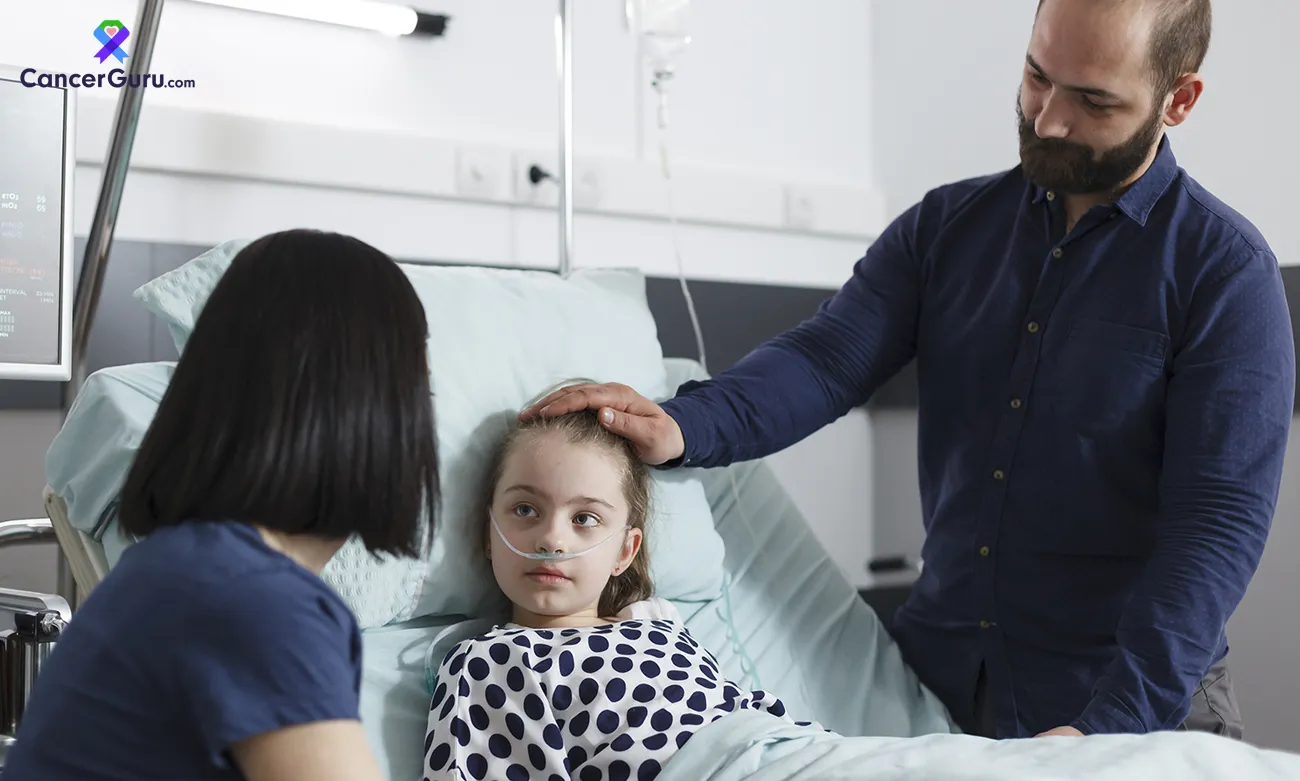
The word “cancer” may feel overwhelming when it relates to a child. Yet, timely awareness along with early screening often makes the most difference.
This blog explores the nature of childhood cancer along with signs and methods of early detection. It also covers the treatment options and available strategies to manage outcomes.
What is Childhood Cancer?
Childhood cancer is a rare disease that affects infants, children, and teenagers, typically ranging from birth to 19 years old. Unlike adult cancers, childhood cancers are rarely linked to lifestyle or environmental factors. They often result from random genetic changes in cells. Below are common types of Childhood cancer.
- Leukemia: Cancer of the blood and bone marrow, and the most common type in children.
- Brain and Central Nervous System Tumors: The second most common group of childhood cancers. These include medulloblastomas and gliomas.
- Lymphomas: Cancers of the lymphatic system, such as Hodgkin and non-Hodgkin lymphoma. These are more frequent in older children and teens.
- Neuroblastoma: A solid tumor that starts in immature nerve cells, often affecting children under age five.
- Wilms Tumor: A type of kidney cancer that typically affects toddlers and young children.
Signs of Childhood Cancer
Common signs and symptoms of childhood cancer include persistent unexplained fever, unusual lumps or swelling, and constant fatigue. Because these warning signs often mimic common childhood illnesses, parents and caregivers should track symptoms that do not go away or worsen over.
Key Warning Signs are:
- Unexplained weight loss: Sudden or continuous weight loss without a clear reason.
- Persistent fevers: Ongoing fevers or infections that do not go away and are not tied to the flu.
- Lumps or swelling: New or growing masses in the neck, chest, belly, pelvis, or armpits.
- Bone and joint pain: Constant pain in the back, legs, or joints, or a new, unexplained limp.
- Headaches and vomiting: Frequent headaches, especially when paired with early-morning vomiting.
- Easy bruising or bleeding: Unexplained bruising, frequent nosebleeds, or tiny red dots on the skin.
- Constant fatigue: Extreme tiredness, low energy, or very pale skin (pallor).
- Vision changes: Sudden vision problems or a whitish color behind the pupil.
Key Symptoms of Childhood Cancer
Childhood cancer often mimics common illnesses, but persistent or worsening symptoms require a doctor’s evaluation.
- Unable to wee or have blood in their wee.
- Unexplained bleeding
- Feeling tired all the time.
- An unexplained lump, firmness or swelling anywhere in their body.
- Persistent abdominal pain or swelling.
- Frequent infections or flu-like symptoms
- Back pain or bone pain that doesn’t go away
- Unexplained vomiting (being sick)
- Unexplained seizures or changes in behavior
- Unexplained fever or sweating
- Headaches that don’t go away
- Unexplained weight loss
- Feeling short of breath
- Frequent or unexplained bruising, unusual paleness or a rash of small red or purple spots that can’t be explained.
- Changes in appearance of the eye, or unusual eye reflections in photos.
When should parents seek medical advice?
Most of these symptoms are more commonly caused by conditions other than cancer. However, what matters is persistence.
If a symptom:
- Last longer than expected.
- Keep returning
- Becomes worse over time or
- Occurs together with other concerning symptoms,
It is important to consult a qualified health professional for proper assessment. Early evaluation can lead to earlier diagnosis and where necessary, earlier treatment.
What are the common causes of Childhood cancer?
Parents worry about why cancer happens in children. For many families, there is no single clear answer. Even so, some factors can make the odds higher.
- Genetic changes can be present at birth. Gene shifts can change how cells grow or split. Doctors have seen links between these changes and cancers like retinoblastoma and some leukemias.
- Cancer also can show up more often in certain families. Most households do not have repeated cases in kids. In a smaller group, there is a stronger pattern among relatives.
- Exposure to radiation or harsh chemicals may play a role too. Still, clinicians usually do not find these exposures the main cause in most childhood cases.
- Certain infections can be connected to certain cancers. The Epstein Barr virus, also called EBV, has been linked to some kinds of lymphoma.
- In many situations, no clear cause can be found. When doctors cannot spot a trigger, they cannot name just one factor.
Diagnosis and Treatment Options for Childhood Cancer
Cancer is not all the same, so the care plan changes with cancer. Your child’s oncology team chooses next steps by looking at several things, such as:
- What kind of cancer it is
- whether it has spread
- how quickly it seems to be growing
- whether clinical trials are an option
- your child’s age
- your child’s situation and what your family prefers
Because of these factors, a single plan may use more than one method. For instance, a child may get radiation or chemotherapy first to make a tumor smaller, then have surgery. In another case, chemotherapy may come after surgery to remove any leftover cancer cells.
Diagnosis and Staging
Doctors may order an MRI, a CT scan, a bone marrow test, or a biopsy. These checks help show what type of cancer it is. They also show whether the cancer has moved beyond the first place. Getting the stage right is important. It helps doctors pick a treatment plan that fits the case.
Treatment options:
Chemotherapy: For many cancers, this is the first treatment doctors consider for children. It uses medicines that slow down fast-growing cancer cells. A child might receive the drugs through an IV, by mouth, or as an injection. The treatment plan can run for weeks or for several months.
Radiation therapy: In this approach, clinicians send focused energy beams to the tumor. The aim is to make the tumor smaller and reduce the chance it spreads. It is often chosen when an operation cannot remove the full growth.
Surgery: When the cancer is in one clear spot, doctors may perform an operation to take it out. Some centers try to use smaller or less invasive techniques when possible. This can make recovery quicker for the child.
Bone marrow transplant: This option may come up in certain types of leukemia. It is also used when standard chemotherapy has damaged the bone marrow. The child may be treated with stem cells from a donor that matches well.
Targeted therapy and immunotherapy: These treatments tend to work in a more specific way. Some medicines are built to affect certain cancer cells. Others help the immune system work better against disease. Compared with older treatments, they may harm fewer healthy cells, and some children have less side effect burden.
Supportive and palliative care: Treating cancer is not only about the tumor. Children also need help with worries, stress, and daily food and nutrition. This type of care stays in place throughout treatment.
Is Childhood Cancer Curable?
Yes, curability depends on the type and stage of childhood cancer. Acute lymphoblastic leukemia, the most common pediatric cancer, now have cure rate of up to 90%.
- High-income countries: More than 80% to 85% of children diagnosed with cancer achieve long-term survival or cure.
- Low- and middle-income countries: Survival rates are lower often below 30% to 60%, due to delayed diagnosis, limited access to specialized centers, and treatment abandonment.
- Specific Types: Cancers like acute lymphoblastic leukemia (ALL), Hodgkin lymphoma, and retinoblastoma have high cure rates, often reaching 90% or more when treated early.
Frequently Asked Questions
Why are cancer awareness and early detection important?
Early detection is important because it allows timely treatment, improves outcomes and reduces complications. Awareness ensures symptoms are not ignored or misread, especially in cases like childhood cancer where signs may be subtle or confusing.
What is the most common pediatric cancer?
Leukemia is the most common among all types of childhood cancer.
Do most kids survive childhood cancer?
Yes, most children diagnosed with cancer today survive.
What is the deadliest cancer in children?
Brain and Central nervous system (CNS) tumors are the deadliest type of cancer in children. They have surpassed leukemia as the leading cause of cancer death in pediatrics.
What is the age range for Childhood cancer?
The childhood cancer age range typically spans from birth to 19 years old. Health facilities generally spilt it into two main categories children for age 0 to 14 and adolescents aged 15 to 19.
Conclusion
Childhood cancer requires early identification and sensitive handling. The growing number of children with cancer is increasing and it needs attention across the globe. Cancer awareness should be part of school health programs, community talks, and parent’s workshops apart from hospital sittings. It should include how childhood cancer is diagnosed and recognizing symptoms at early stages are key steps.
Recent Posts
-
Cancer Awareness Resources: Types, Symptoms, Screening & Support
October 6, 2026 -
Nutrition During Cancer Therapy: What to Eat for Strength and Recovery
September 30, 2026 -
Ovarian Cancer Symptoms Women Often Miss
September 23, 2026 -
Leukemia vs. Lymphoma: Key Differences Explained
September 14, 2026 -

Returning to Work After Cancer Treatment
September 3, 2026 -
Genetic Testing to Understand Your Family History
August 27, 2026 -
Talking to Children About a Parent’s Cancer Diagnosis
August 19, 2026 -

Managing Appetite Loss & Taste Changes During Cancer Treatment
August 14, 2026 -
Myths vs. Facts About Lung Cancer: Smokers vs. Non-Smokers
August 7, 2026