Can Air Pollution Cause Lung Cancer? Facts & Prevention Tips
December 2, 2025
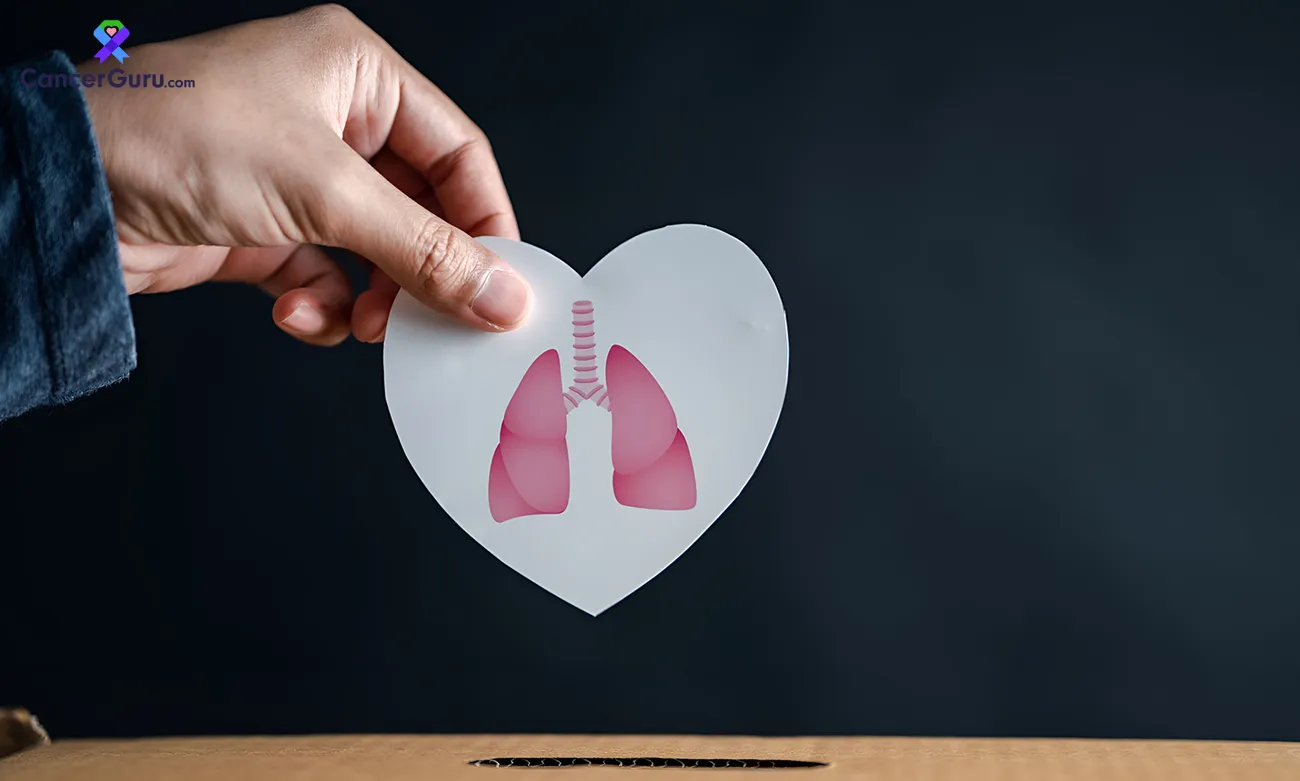
The risk of developing lung cancer due to air pollution has not been regarded as highly as the diseases mentioned above such as asthma, allergies, and heart diseases. Meanwhile, smoking is still considered as the strongest reason behind lung cancer, but the risk is increased in people exposed to polluted air for a long time even if they never smoked.
Through the study of air pollution's effects, the public obtains timely information about ways to avoid it, and also they know when to seek medical help and what informed choices to make regarding their lifestyle. The following is the information you need to have.
How Air Pollution Causes Lung Cancer
Air pollution is the result of various harmful substances that are released into the environment, and these are mainly the following: PM, NO2, SO2, O3, and carcinogens. Fine particulate matter (PM2.5), the most dangerous component, is so tiny that it can be inhaled to the lungs and further be transported into the body through blood.
- Carcinogens: Their effect is like that of smoking—the length of time and number of pollutants inhaled determine the degree of carcinogenic exposure. This article looks at three main factors that contribute to the pollution-cancer connection.
- Chronic Inflammation: The pollutants that are consistently inhaled, on the other hand, are treated as enemies by the body which continuously activates the immune system resulting in inflammation and gradually overwhelming the lungs with cell turnover thus making it harder for the body to detect cancerous cells.
- Oxidative Stress: Air filled with pollutants contains free radicals that can cause genetic material damage and also render the natural repair mechanisms of the body less efficient, thereby raising the likelihood of tumor formation.
- Synergistic Effect with Smoking: Air pollution can even heighten the risk in the case of active smokers and ex-smokers. The exposure taken together amplifies the harm done to lung tissues.
What the Research Says?
The coveted classification of the World Health Organization (WHO) put air pollution into the list of main environmental factors responsible for cancer death all over the globe.
- Occasional studies see that any slight rise in PM2.5 levels would be associated with an increase in the number of lung cancer cases.
- Urban or industrial area residents are significantly more exposed to cancerous smoke and fumes than other people.
In an emphatic manner, the statement asserts: the air that is polluted is a major risk factor for lung cancer that cannot be avoided and still to be controlled to some degree.
Major Sources of Air Pollution
Identifying pollution sources gives individuals and communities a chance to avoid or minimize the impact. The main sources are:
Human-Generated Sources
- Transportation
- Power Generation by power plants
- Industrial pollution
- Residential energy
- Agriculture
- Waste management
Natural Sources
- Wildfires
- Volcanos
- Dust and soil erosion
- Sea spray
Who Is Most at Risk?
It is true that every person has some sort of exposure to air pollution but at the same time, there are certain populations that can be considered as more susceptible:
- PA opposite to Densely populated cities
- Chronic lung disease patients (e.g. COPD, asthma)
- Kids and old people
- Workers who are in contact with industrial waste
- Non-smokers residing in areas with high pollution
How to Protect Yourself from Air Pollution
- Air Quality Index (AQI) Check: Air quality updates are now included most of the time in the weather apps available in the market. It is advisable to limit outdoor activities if the AQI is in the “unhealthy” range.
- Home HEPA Air Purifier: An air purifier of high quality not only eliminates smoke, dust, and chemicals but also cleans the air by removing the dangerous pollutants indoors.
- Better Ventilation: Let fresh air in through the windows whenever the air quality is good and use exhaust fans while cooking.
- Mask Up on High Pollution Days: A good and right N95 or KN95 mask can keep most harmful particles away.
- Don’t Do Outdoor Exercises When Air Quality is Poor: Air pollution and low-quality air will greatly affect you while exercising since it makes you inhale deeply hence more pollutants are brought into your lungs.
- Indoor Air Quality Control:
- No smoking in the house
- Less use of spray products or candles with strong scents
- Humidity or mould problems must be attended to
- Use nature-friendly cleaning products whenever possible
- Clean Air Initiatives to Become Supporters: Everyone would surely like to breathe better air and to this end, cleaner energy, greener transportation, and stronger regulations are the best steps to take.
If the disease gets worse, then palliative or hospice care options may be there to provide comfort and quality of life support. Nevertheless, these services are not meant to be a sign of giving up on one’s hope; rather, they are the ones that concentrate on the patient’s dignity and comfort.
Additional Tips for Reducing Cancer Risk
Pollution exposure reduction is essential, but when combined with these other measures, the possibility of lung cancer can be dramatically decreased:
- Smoking and secondhand smoke should be avoided
- Consuming should be a healthy diet containing a lot of antioxidants
- Health screenings should be done regularly, particularly in high-pollution areas
- Exercise can be done indoors regularly when the AQI is high
When to See a doctor?
You should see a healthcare professional if you have any of the following symptoms together with long-term exposure to pollution:
- Cough that does not go away
- Pain in the chest
- Breath that is not deep and is hard to take
- Loss of weight for no apparent reason
- Feeling tired all the time
- Blood in the phlegm
The possibility of lung cancer is greatly reduced if detected early.
Final Thoughts
Air pollution, though invisible, originates as a very powerful and toxic enemy to respiratory organs. There is no disputing regarding science: prolonged exposure may lead to a risk increase for lung cancer, this being the case even for non-smokers. If you are aware of the risks and take precautions, then you will be able to protect yourself and your loved ones.
If you want more experts’ opinions and cancer-prevention materials, then go to CancerGuru—your reliable guide that keeps you informed, healthy, and powerful.
FAQs
1. Does air pollution have the potential to cause lung cancer?
Yes, indeed. Polluted air inhalation over a prolonged period will certainly harm your lungs and subsequently raise the probability of lung cancer.
2. Should I be concerned if I am a non-smoker?
Yes, you should have concerns if you’re a non-smoker.
3. Can a few days of bad air make me get cancer?
Definitely not! While the risk is very low for short-term exposure to be cancer-causing, it may lead to your lungs being irritated. The doomed comes with long-term exposure that can span months or years.
4. Who suffers the most?
Those living around seething traffic, smoke-spewing factories, or wildfires, are the most exposed. Seniors, kids, and lung patients suffer the most acute conditions.
5. What are the measures I could take in the event of a day with poor air quality?
Air quality checking, indoors staying if possible, air purifier usage, closing windows, and N95 masks when outdoor going are the measures one could take.
Recent Posts
-
Cancer Awareness Resources: Types, Symptoms, Screening & Support
October 6, 2026 -

Nutrition During Cancer Therapy: What to Eat for Strength and Recovery
September 30, 2026 -
Ovarian Cancer Symptoms Women Often Miss
September 23, 2026 -

Leukemia vs. Lymphoma: Key Differences Explained
September 14, 2026 -
Signs and Symptoms of Childhood Cancer Parents Shouldn’t Ignore
September 8, 2026 -
Returning to Work After Cancer Treatment
September 3, 2026 -

Genetic Testing to Understand Your Family History
August 27, 2026 -

Talking to Children About a Parent’s Cancer Diagnosis
August 19, 2026 -

Managing Appetite Loss & Taste Changes During Cancer Treatment
August 14, 2026