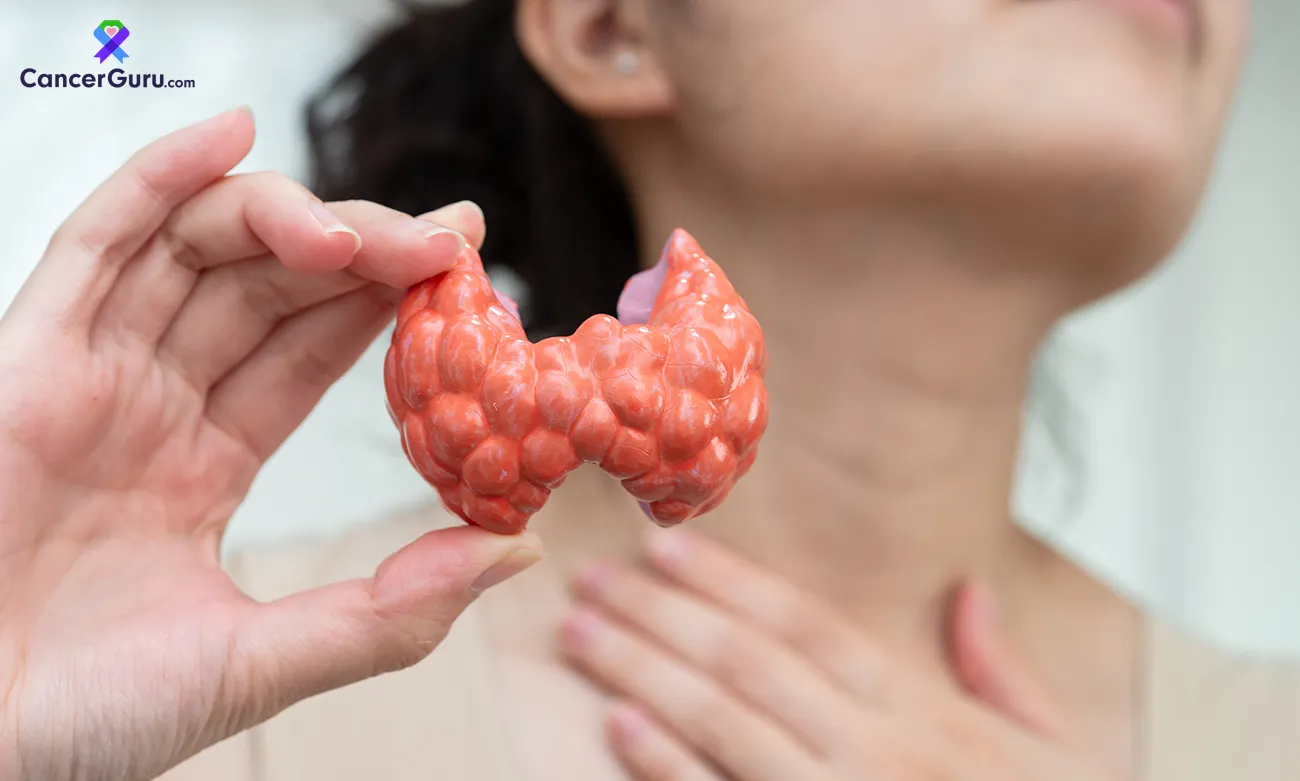
How can air pollution cause cancer?
December 16, 2025
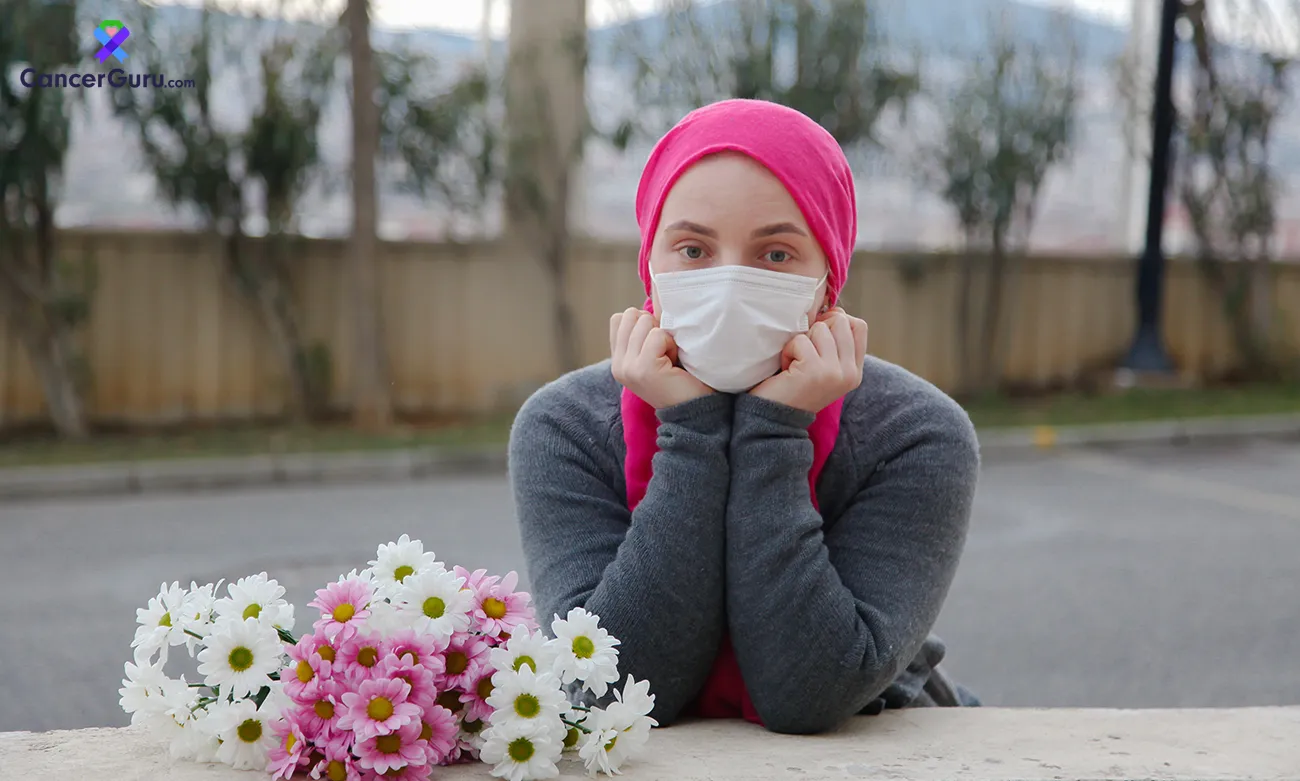
Air pollution is present in our lives to a greater or lesser degree, we all come across it daily, on the road, at a workplace, in the neighborhood, and even indoors. Moreover, even though many people link polluted air to respiratory disorders or asthma, not many know that air pollution is one of the main causes of cancer too.
CancerGuru's goal is to create awareness worldwide regarding the risks and prevention of cancer through education. Understanding the causal connection between air pollution and cancer is the key to universal health protection measures for you and your family.
What Air Pollution Is?
Air pollution is made up of dangerous substances in small and gaseous forms that have been scattered about the environment due to various sources like:
- Exhausts of automobiles and trucks
- Factories
- Electrical generation companies
- Fumes from heating and power
- Chemicals in homes and businesses
- Forest fires and controlled burns
- Building and demolition activities
- Smoking in public places and homes
The size of these pollutants can be microscopic—too small for the naked eye to see—and they are able to get into the human body very easily.
How Air Pollution Causes Cancer: The Science Explained
Air pollution is carcinogenic, or in other words, it has the capacity to bring about the disease that is why it has always been a point of interest among scientists for a long time. The world health organization (WHO) has put outdoor air pollutants and fine particles (PM2.5) in the category of substances that cause cancer.
Pollution has the following impacts on the human body:
1. The lungs and the bloodstream get contaminated
The most dangerous particles, known as PM2.5, are only 30 times smaller than the thickness of the human hair; that is why they are referred to as such. Their tiny size enables them to bypass the body's defense and reach the deepest area of the lungs. From there, it is very easy to enter the bloodstream and reach other organs.
This exposure, over time, increases the likelihood of lung cancer and possibly other cancer types too.
2. Pollution triggers Chronic Inflammation
Air pollution over a long period of time results in keeping the immune system always alert. This leads to chronic inflammation, which in turn, harms the health of cells and tissues.
Chronic inflammation is recognized to aid the process of cancer cells' formation through:
- Digging into DNA
- Blocking cell repair
- Encouraging growth of the wrong cells
3. DNA Damage and Gene Mutations
Among the various contaminants, there are some which can cause direct damage to the DNA inside the cells, and these are mainly chemicals such as benzene, formaldehyde, and polycyclic aromatic hydrocarbons (PAHs). DNA mutations are considered the primary risk factor for cancer. The reason is that they disrupt the natural cell cycle and, therefore, the cell's proliferation becomes uncontrolled.
This is one of the factors that contribute to the higher incidences of lung cancer in polluted areas.
4. Hormone Disruption
Airborne pollutants are among the substances that create endocrine disrupters in the human body as they can disrupt hormones. This can cause an increase in the risk of cancers, which are influenced by hormones, such as:
- Breast cancer
- Ovarian cancer
- Prostate cancer
The number of studies in this field is still small, but the initial findings point out a very disturbing relationship.
5. Suppression of the Immune System
An immune system that is not only strong but also healthy is able to sweep away damaged or abnormal cells before they become cancerous. Pollution in the air is a factor that weakens the immune system and thus, the body is more likely to undergo changes that lead to cancer.
To put it differently, the air that is polluted is responsible for the reduced natural defenses of the body.
Outdoor vs. Indoor Air Pollution: Both Matter
The discussion of outdoor and indoor air pollution has a very straightforward reaction: both types of pollution are significant.
People usually consider outdoor pollution as the sole hazard; however, indoor air pollution can also cause the same extent of problems. Indeed, indoor air could be as high as five times the outdoor air in pollutant concentration.
Main indoor air contaminants are:
- Burning smoke from cooking or heating
- Mold and dust
- Chemicals from the use of cleaning agents
- Cigarette smoke
- VOCs (volatile organic compounds) are released through the process of painting and furniture
- Radon gas (a naturally occurring, but very harmful gas that can lead to lung cancer).
Improving the indoor air quality is the most important measure anyone can take in order to greatly lower the risk of cancer.
Who Are the Most Vulnerable?
Although air pollution is a worldwide problem, with few exceptions, some people will always be more exposed to health:
- Residents of huge metropolises or cities with a lot of heavy industries
- Individuals with chronic respiratory disorders
- Babies, because their lungs are still growing and they absorb more toxic substances
- Older people
- Outdoor workers such as builders, traffic police and farmers are some of the most affected people due to pollution.
- Those individuals who have their homes or businesses near to roads or factories are also very much affected.
When people are informed about the situation and when preventive measures are put into place promptly, the results can be extremely beneficial even in the long term with respect to the reduction of the pollution effects.
How to Protect Yourself from Air Pollution
The air quality is not always in your control but there are methods to limit exposure.
- Daily air quality monitoring: There are applications and websites that display the Air Quality Index (AQI). Do not do strenuous outdoor activities when the levels are high.
- Install air purifiers in the house: The HEPA filters are very effective in killing fine particles that are harmful to health.
- Ventilation indoors improvement: The air that is fresh in and out during cooking or cleaning and also using milder chemical products.
- Mask wear on high-pollution days: Mainly if you work outdoors or are living in a noise city.
- Smoke exposure reduction: It would be great if you can avoid smoking, incense, candles, and wood fires always.
- Greenery planting around your home: Plants are good air filters even in the urban area.
- Support for clean-air policies: cleansing fuel, renewable energy, and strict pollution control are measures that protect all.
How Early Detection of Air Pollution-Related Cancers is Possible
The life-saving capacity of early detection is indisputable. Thus, at CancerGuru, we recommend:
- Periodical health check-ups
- Screening tests for those individuals identified as being at risk
- Cough, tiredness, or discomfort in the chest as symptoms requiring attention
- People in polluted areas consulting doctors
- Prompt diagnosis means a higher chance of success of treatment and also a better long-term outcome.
Want to Know Why CancerGuru Is Concerned about Air Pollution and Cancer?
At CancerGuru.com, we aim to provide clear-cut, data-driven information that will facilitate the understanding of cancer risks and prevention. Although air pollution may seem like something “we can’t get around”, being aware of the fact is empowering.
Our educational efforts directed at the global community are meant to generate good habits, informed choices, and more robust lobbying for cleaner environments. Every little effort counts—changing personal habits or supporting broader environmental initiatives.
Conclude
Air pollution is a lot more than just a pest—it ranks up there as an extraordinary health threat worldwide and as a factor causing cancer. Although escaping pollution may not always be possible, being aware of the hazards that come with it allows us to take steps towards our health’s long-term sanctuary.
Increased awareness is a baby step in the direction of change, and at CancerGuru, we’re determined to provide everyone with the correct, empathetic, and life-saving information about cancer.
FAQs
1. Does the process of air pollution leading to damage take years?
Yes, this is not an instantaneous process. The risk involved is from the inhalation of polluted air continuously for many years. The longer your exposure the more stress your body goes through.
2. Who are the people that should worry about pollution the most?
Pollution mostly affects, and in a more pronounced manner, the people living in crowded areas, near factories, or busy roads. The elderly, children, and people with respiratory diseases are already the most affected by the lack of good air quality.
3. Is the indoor air quality in my house also dangerous?
It can be a health risk. Many people do not realize that indoor air, which is bad from cooking, filled with cleaning agents, has mold, or simply is not ventilated well, can at times be more polluted than the outdoor air. Good clean-up and proper ventilation of the house will do wonders for the better health aspects related to air pollution.
4. Is breathing polluted air the ultimate course for cancer?
It would certainly seem that way. Modern-day scientists are of the opinion that the continuous ingestion of contaminated air will ultimately lead to the extinction of the cells and thus upping the odds of developing cancer, mainly lung cancer, even if the pollution is not physically noticeable, your body will eventually show you through its effects.
Image Credit: champpixs at FreePik
Recent Posts
-
Cancer Awareness Resources: Types, Symptoms, Screening & Support
October 6, 2026 -

Nutrition During Cancer Therapy: What to Eat for Strength and Recovery
September 30, 2026 -
Ovarian Cancer Symptoms Women Often Miss
September 23, 2026 -
Leukemia vs. Lymphoma: Key Differences Explained
September 14, 2026 -
Signs and Symptoms of Childhood Cancer Parents Shouldn’t Ignore
September 8, 2026 -
Returning to Work After Cancer Treatment
September 3, 2026 -

Genetic Testing to Understand Your Family History
August 27, 2026 -

Talking to Children About a Parent’s Cancer Diagnosis
August 19, 2026 -

Managing Appetite Loss & Taste Changes During Cancer Treatment
August 14, 2026