Hope Is a Treatment Too - The Role of Positivity in Cancer Recovery
January 28, 2026
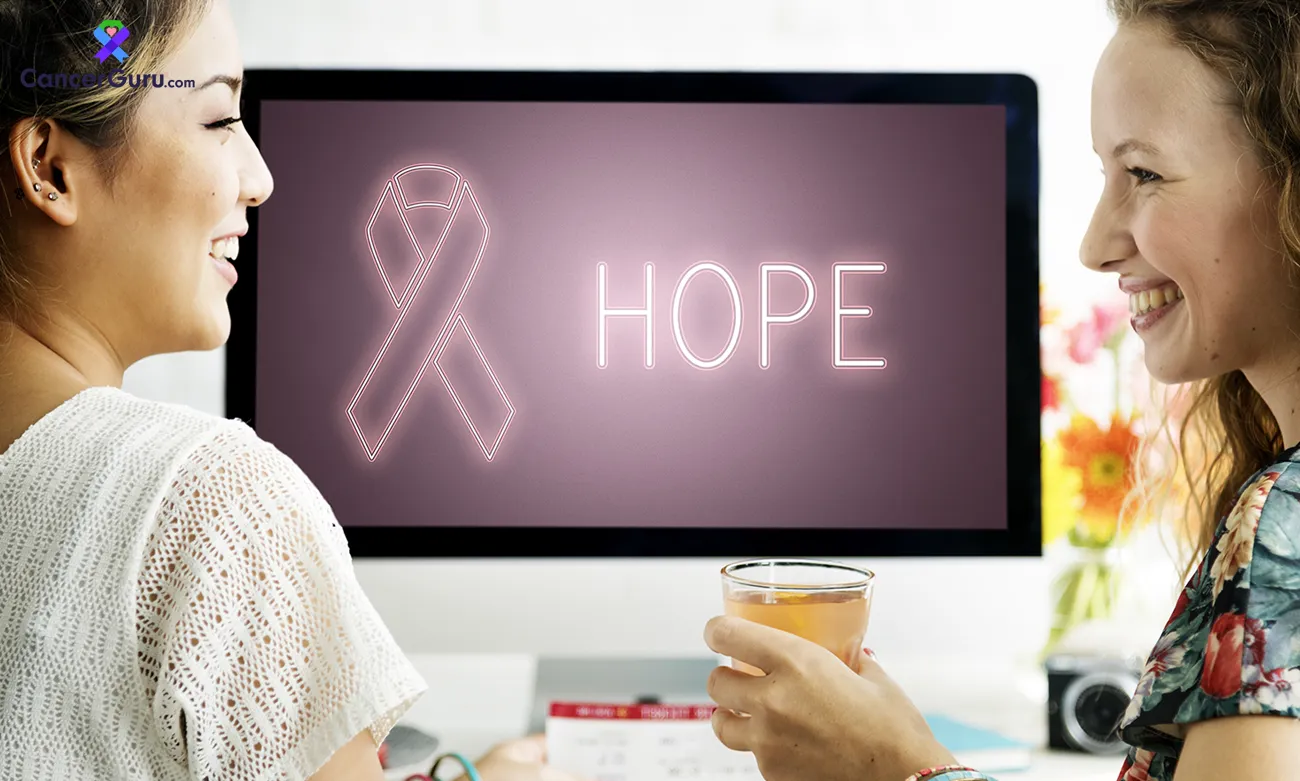
Cancer is a word that can make the strongest person feel small. It brings fear, uncertainty, and endless questions. Doctors talk about treatments, medications, and scans, but there’s another side of healing that often gets overlooked. That side is hope. Hope is more than just a feeling. It can change the way we handle the disease, the way we respond to treatment, and even the way our body fights the illness. Staying hopeful and keeping a positive outlook can be a part of recovery, and it’s worth understanding why.
Understanding the Mind-Body Connection
Our mind and body are connected in ways we often ignore. When we feel stressed or anxious, it doesn’t just stay in our heads. It affects our heart, our immune system, and even our sleep. Stress hormones can slow down healing, make pain harder to bear, and sap energy that the body needs for recovery. On the other hand, hope and positivity can ease stress. They give the body room to focus on healing.
Studies have shown that people who maintain a hopeful attitude tend to handle treatments better. They are less likely to feel depressed and more likely to follow doctors’ advice. Being positive doesn’t mean ignoring the reality of cancer. It doesn’t mean pretending everything is fine. It means facing the situation with a mindset that allows room for good moments and small victories, even in the hardest times.
How Hope Changes the Experience of Cancer
Cancer treatment can be exhausting. Chemotherapy, radiation, and surgeries are hard on the body. But hope can change how patients experience these treatments. People with hope often report less fatigue and lower pain levels. They may not need as much medication to handle discomfort because their mindset helps them cope. It doesn’t replace medical care, but it adds another layer of support.
Hope also encourages patients to take better care of themselves. Someone who believes they can get through cancer is more likely to eat better, exercise when possible, and rest when needed. These small choices make a real difference in recovery. When the body and mind work together, treatments can be more effective, and patients feel stronger.
The Role of Mental Health in Recovery
Mental health plays a huge role in cancer recovery. Feeling sad, anxious, or hopeless is natural, but long periods of these emotions can slow healing. Depression can make patients miss treatments or stop following a healthy routine. Anxiety can make sleep difficult, leaving the body tired and vulnerable. That’s where hope comes in. A hopeful attitude doesn’t erase fear, but it helps patients face challenges without being crushed by them.
Psychologists often work with cancer patients to build hope. Simple exercises, like imagining a future after treatment, setting small goals, and recognizing progress, can strengthen hope. Talking to friends, joining support groups, or even keeping a journal helps patients process feelings. Every small step builds a sense of control in a situation that can feel completely out of control.
How Family and Friends Make a Difference
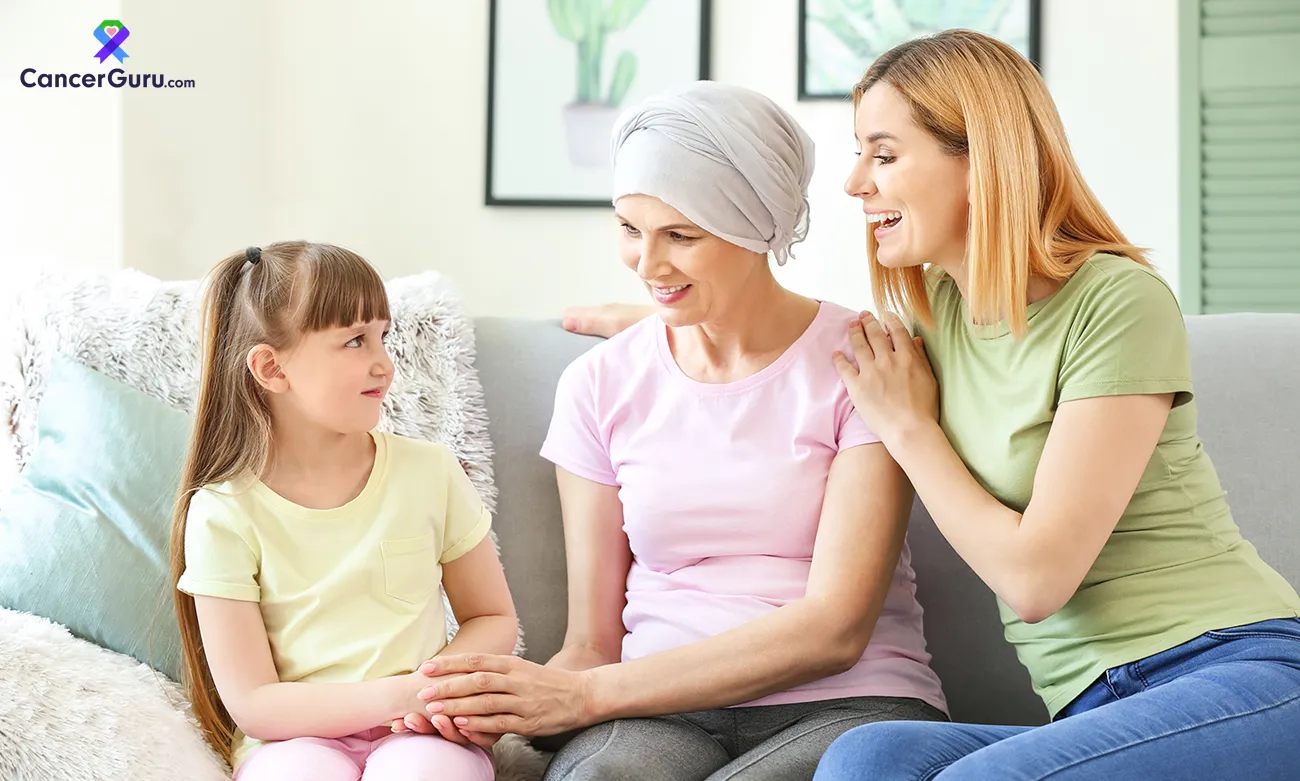
Hope rarely exists alone. The support of family, friends, and caregivers is crucial. Encouragement from loved ones can remind a patient that they are not facing cancer alone. Sharing a laugh, listening to fears, or celebrating small milestones can lift spirits in ways medicine cannot. Loved ones act as anchors, grounding patients when anxiety rises.
Support goes beyond emotional comfort. Families often help patients stick to routines, attend appointments, and make lifestyle changes that support healing. Knowing that someone cares enough to be involved can boost hope and give the patient strength to keep moving forward. Feeling connected to others is a powerful force in recovery.
Stories of Survival and Hope
Many people who have battled cancer say that hope played a huge role in their journey. Stories of survivors often highlight moments when a positive outlook makes a difference. Some found strength in hobbies, some in prayer, some in the idea of being there for family, and some simply in refusing to give up.
Hearing stories like these can inspire patients to hold on to hope themselves. It’s not about comparing experiences or saying one person’s journey is better than another’s. It’s about understanding that hope is a tool anyone can use, even in the darkest moments. It can be a small light that helps someone get through a difficult treatment day or an unexpected complication.
The Science Behind Hope and Healing
Science is beginning to show how hope influences the body. Studies indicate that hopeful patients may have stronger immune responses. A strong immune system helps the body fight infections, recover from surgery, and deal with treatment of side effects. Hope may even influence hormones, reducing stress chemicals that can slow healing.
While hope is not a cure, it works alongside medical treatments. It creates a mental environment where recovery feels possible. Doctors, nurses, and researchers see patients respond differently when they maintain hope. The mental attitude does not replace medical care, but it can make treatments more effective and improve the quality of life.
How to Build Hope During Cancer
Building hope is not always easy, especially when facing setbacks. But hope can grow in small steps. Setting small goals gives patients something to look forward to. It could be finishing a treatment cycle, going for a short walk, or simply spending time with a loved one. Each achievement reinforces the idea that progress is possible.
Celebrating small victories matters. Every day that a patient survives treatment, every moment of laughter, every improvement in symptoms, is worth noticing. Focusing on these moments helps the mind shift from fear to determination.
Another way to build hope is by staying informed. Understanding the disease and treatment options reduces uncertainty, which can reduce fear. Patients who feel informed are better prepared to make decisions, and feeling in control contributes to hope.
Hope in Daily Life
Hope doesn’t have to be a big, abstract idea. It can be part of daily life. Starting the day with a positive thought, keeping a journal of gratitude, or spending a few minutes imagining a better future can all strengthen hope. Even enjoying small pleasures, like listening to music, reading a book, or walking in nature, contributes to a hopeful mindset.
Sharing hope with others also strengthens it. Talking about dreams for the future or encouraging fellow patients creates a cycle of hope. Positivity spreads, and it can make the treatment environment more bearable for everyone.
Avoiding Negative Traps
Cancer brings fear naturally, and it’s easy to fall into negative thinking. Worrying about the worst outcomes, dwelling on pain, or comparing oneself to others can weaken hope. Recognizing these traps is the first step to avoiding them. Mindfulness techniques, meditation, and counseling can help patients notice negative thoughts without letting them take control.
Focusing on what can be done today is powerful. Patients may not be able to control every outcome, but they can control their choices, routines, and attitudes each day. Staying present helps prevent hopelessness and encourages action.
Hope and Treatment Decisions
Cancer brings fear naturally, and it’s easy to fall into negative thinking. Worrying about the worst outcomes, dwelling on pain, or comparing oneself to others can weaken hope. Recognizing these traps is the first step to avoiding them. Mindfulness techniques, meditation, and counseling can help patients notice negative thoughts without letting them take control.
Focusing on what can be done today is powerful. Patients may not be able to control every outcome, but they can control their choices, routines, and attitudes each day. Staying present helps prevent hopelessness and encourages action.
Hope and Treatment Decisions
Hope also affects treatment decisions. Patients with hope tend to participate more actively in their care. They ask questions, follow instructions, and try therapies that can help them. This doesn’t mean ignoring risks. It means being willing to try options while staying realistic. Being hopeful allows patients to make decisions with clarity and determination, instead of fear.
Doctors notice the difference. Patients with hope are often easier to communicate with. They discuss symptoms openly and report side effects promptly. This leads to better management of care and can improve outcomes.
The Role of Spirituality and Belief
For many patients, hope comes from spirituality or personal belief systems. Faith, prayer, and meditation offer comfort and a sense of purpose. These practices can reduce stress and create a calm mental state. Even if someone is not religious, a sense of meaning or connection to life can boost hope. Having something to believe in gives patients a reason to keep going, even when treatments are tough.
Maintaining Hope During Setbacks
Setbacks are common in cancer treatment. Side effects, relapses, or unexpected complications can challenge hope. During these times, it’s normal to feel scared or discouraged. Hope doesn’t mean ignoring reality. It means holding on to the possibility of improvement, even in hard moments.
Support systems play a role here. Friends, family, support groups, and counselors help patients navigate these challenges. Setting new small goals after a setback keeps hope alive. Even a single positive thought can help patients find the strength to continue.
How Healthcare Teams Encourage Hope
Hospitals and clinics are starting to recognize the importance of hope. Nurses, doctors, and therapists often include emotional support in their care. They celebrate milestones, encourage patients to talk about feelings, and provide resources for mental wellness. Integrating hope into medical care acknowledges that recovery is more than just medicine. It’s about the whole person, body, mind, and heart.
Hope Beyond Treatment
Cancer recovery doesn’t always end when treatment does. Survivors may face fears of recurrence or long-term side effects. Hope continues to play a role in this phase. Staying hopeful helps survivors rebuild their lives, pursue goals, and cherish moments with loved ones. It helps them maintain health routines and cope with the emotional aftermath of treatment.
Survivors often say that hope gave them strength in ways they didn’t expect. It helped them adapt to a new normal and find meaning in life after illness. The ability to look forward, to plan, and to dream is a powerful medicine.
Practical Steps to Keep Hope Alive
- Celebrate every small win during treatment.
- Keep a journal of thoughts, feelings, and progress.
- Stay connected to supportive friends and family.
- Join support groups or online communities.
- Focus on daily routines and small goals.
- Enjoy hobbies or activities that bring joy.
- Practice mindfulness or meditation to stay present.
- Talk to professionals about fears and anxieties.
- Keep learning about treatment options to feel in control.
- Find meaning in life through spirituality, relationships, or personal passions.
Final Words
Hope is not a magic cure, but it’s a powerful companion to medical treatment. It changes the way patients experience cancer, influences their mental and physical health, and improves overall quality of life. Staying hopeful doesn’t mean pretending everything is okay. It means recognizing the difficulty of the journey while believing that recovery is possible. Hope, encouragement, and positivity are treatments that everyone can use. They may not appear in a prescription, but their effects are real and lasting.
Cancer is a battle, but hope gives patients a weapon that works alongside medicine. It strengthens the mind, calms the body, and keeps the spirit alive. When hope is part of recovery, patients not only face the disease, they live through it, day by day, with courage, determination, and belief in a future beyond cancer.
Image Credit: rawpixel.com at FreePik
Recent Posts
-
Cancer Awareness Resources: Types, Symptoms, Screening & Support
October 6, 2026 -
Nutrition During Cancer Therapy: What to Eat for Strength and Recovery
September 30, 2026 -
Ovarian Cancer Symptoms Women Often Miss
September 23, 2026 -
Leukemia vs. Lymphoma: Key Differences Explained
September 14, 2026 -
Signs and Symptoms of Childhood Cancer Parents Shouldn’t Ignore
September 8, 2026 -

Returning to Work After Cancer Treatment
September 3, 2026 -
Genetic Testing to Understand Your Family History
August 27, 2026 -
Talking to Children About a Parent’s Cancer Diagnosis
August 19, 2026 -
Managing Appetite Loss & Taste Changes During Cancer Treatment
August 14, 2026