
How to Help Your Child Understand a Cancer Diagnosis
January 16, 2026
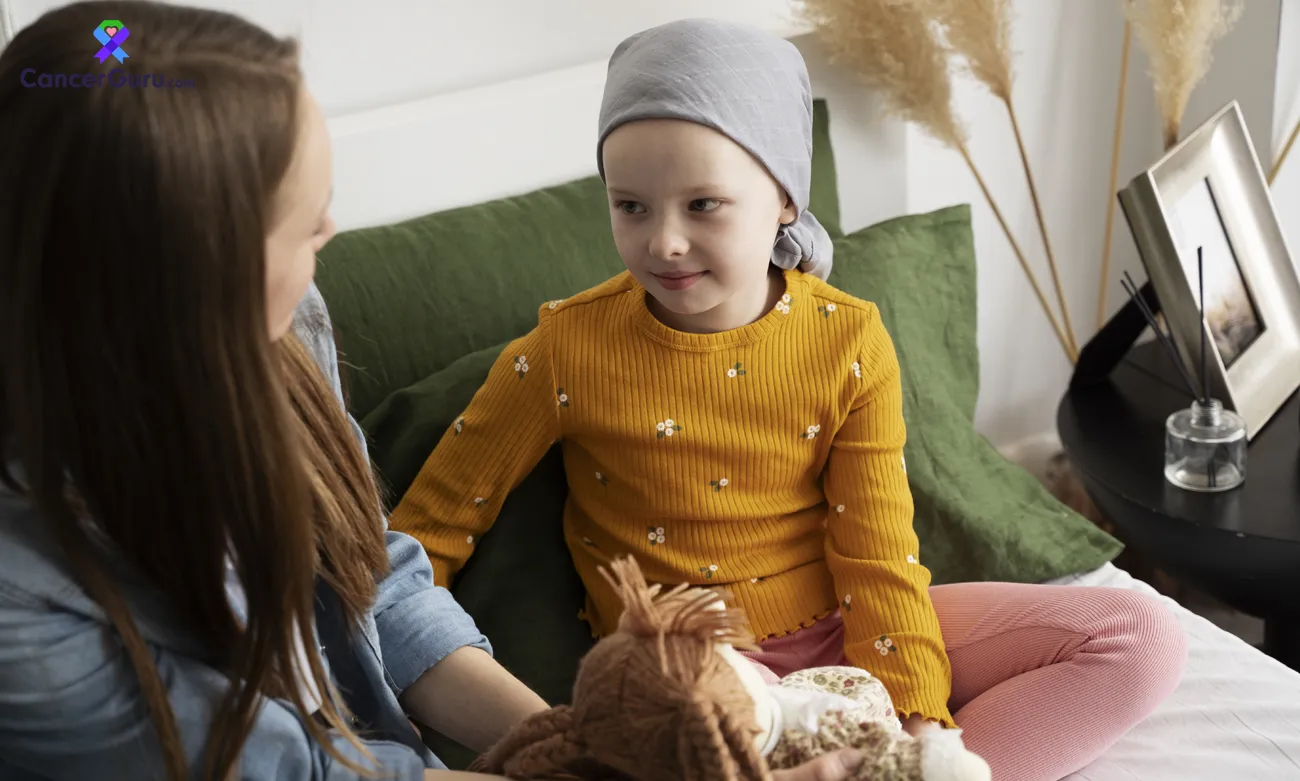
Cancer diagnosis can be one of the hardest things a family goes through. For a child, it can be confusing, scary, and full of questions they don’t know how to ask. When a child learns that they, a sibling, or a loved one who has cancer, everything in their life can change quickly, including hospital visits, medicine, tests, new routines, and worries about the future. Parents and caregivers often want to protect children from fear, but honesty mixed with age‑appropriate words helps children understand and cope better.
This article gives practical help on how to talk with your child about cancer, what children of different ages understand, how to create new routines, and ways to support emotional well-being. You’ll also find advice on recognizing when your child needs extra help and how to answer very hard questions like “Am I going to die?” All information is based on expert guidance from the American Cancer Society and other trusted sources.
Why Talking to Your Child Matters
When a child hears “cancer,” they may not know what it means. But most children can sense when something serious is going on, especially if routines change or adults seem worried. If children aren’t given honest information, they may imagine the worst and feel more worried or alone.
Children feel safer when:
They know what is happening.
They get answers that make sense for their age.
They can express feelings like fear, sadness, or anger.
They see adults handling the situation calmly and honestly.
Open, honest talk builds trust and helps children cope without adding extra fear. If children are told too little or kept in the dark, they may fill in the blanks with scary thoughts that are worse than the truth.
Your Role as a Parent or Caregiver
You are your child’s most important source of comfort and support. While doctors and nurses take care of the medical side of cancer, you help your child feel understood, safe, and supported through emotional challenges.
Talk openly about cancer in clear, simple words.
Answer questions honestly, with facts they can understand.
Listen without judgment when they share feelings.
Reassure them repeatedly that they are loved and safe.
Work with your child’s medical team and use their guidance as needed.
How to Talk About Cancer (Age by Age)
Children’s understanding of illness and death changes as they grow. You can make your conversation easier by using age‑appropriate words and examples.
a. Infants and Toddlers (0–2 years)
Very young children can’t understand words like “cancer,” but they feel changes in routines and emotions. They may:
Cry more often.
Become clingy or fearful.
Change eating or sleeping habits.
How to help them:
Keep a familiar routine as much as possible.
Stay close, give lots of hugs, and offer comfort.
Use simple verbal reassurance like, “I’m here with you.”
b. Preschool Children (3–5 years)
Children at this age know the names of words like “sick,” but may not understand what cancer really means. They might:
Ask many questions.
Think they caused the illness.
Worry about pain or separation.
How to talk to them:
Use simple phrases like “Cancer is a sickness that makes your body not work as it should.”
Explain treatment in relatable ways, like “The medicine is helping your body fight.”
Reassure them, “You did not cause this.”
c. School‑Age Children (6–12 years)
Children in this age group can understand more but may still mix facts with stories from TV or friends. They can:
Worry about pain or life changes.
Ask the same questions again.
Feel angry or sad.
How to talk to them:
Ask what they already know about cancer.
Give clear, honest answers about treatment and what to expect.
Talk about school changes or time away from friends.
Encourage art, reading, play, and creative expression to process emotions.
d. Teenagers (13–18 years)
Teens understand most of what’s happening, but they may hide their worries to avoid upsetting others. They might:
Fear life changes or plans.
Feel frustrated or alone.
Worry about being a burden.
How to support teens:
Include them in decisions when appropriate.
Give them room to express their feelings and ask questions.
Share facts honestly and clearly.
Connect with peers or support groups.
Creating a New Routine After a Diagnosis
Children feel safer when daily life feels predictable. While cancer changes many things, regular routines help reduce stress.
Here are ways to create stability:
Maintain bedtime, meals, and other regular habits.
Schedule playtime and schoolwork as much as possible.
Let children continue enjoying their favorite activities when it's safe.
Use distraction tools like music, art, and Storytime on hospital days.
Keeping routines doesn’t mean ignoring cancer. It means making space for normal life as part of their healing journey.
Helping Your Child Express Emotions
Children may not always use words to show how they feel. Sometimes they show emotions through behavior, play, art, or silence.
Ways to support emotional expression:
Let them draw or write about their feelings.
Use dolls or role play to explain treatment.
Encourage them to talk about fears and hopes.
Let them know that all feelings, fear, anger, and sadness are okay.
Friends, teachers, and counselors can also help, especially if your child is struggling to cope.
Recognizing When Your Child Needs Extra Support
Many children adjust well with honest communication and support. But some may show signs that they need additional help from a professional.
Signs your child may need extra support:
Constant sadness or crying.
Trouble sleeping or eating.
Withdrawing from family and friends.
Refusing treatment or appointments.
Talking about hurting themselves.
If you notice these changes, reach out to your cancer care team. Specialists like psychologists, social workers, or child life experts can offer tools to help your child cope.
Talking About Death and Dying
One of the hardest questions a child might ask is, “Am I or someone else going to die?”
You may want to reassure your child, but it’s important to balance honesty with hope:
Say many kids with cancer get better with treatment.
If the prognosis is uncertain, it’s okay to say you don’t know, but you’ll be there with them.
Avoid promises you can’t keep.
Children who know more about their situation often have less anxiety than those kept in the dark. Honest talk doesn’t make things worse. It helps children face their fears with support.
Tips for Everyday Support
Here are some practical ways to help your child beyond talking:
Offer choices: Let your child make small decisions, like what to wear or what activity to do.
Stay connected: Encourage visits, calls, or messages from friends and family.
Include normality: Keep school, hobbies, and play in their life as much as possible.
Keep talking: Conversations don’t happen just once, revisit feelings often.
Getting Help From Professionals
You don’t have to do this alone. Cancer care teams often include:
Child life specialists
Psychologists
Social workers
Support groups
These professionals can help you and your child communicate about cancer in ways that make sense and build emotional strength.
Final Thoughts
Helping your child understand a cancer diagnosis is one of the hardest tasks a parent can face. But talking with honesty, openness, and love builds trust and helps your child feel safe. Use age‑appropriate language, keep routines as normal as possible, and reassure your child that it’s okay to talk about feelings, even the hard ones.
With support from family, health professionals, and honest communication, most children can adjust and cope with the changes that come with a cancer diagnosis. Your presence, patience, and openness help them feel secure during this time.
Recent Posts
-

Cancer Awareness Resources: Types, Symptoms, Screening & Support
October 6, 2026 -

Nutrition During Cancer Therapy: What to Eat for Strength and Recovery
September 30, 2026 -

Ovarian Cancer Symptoms Women Often Miss
September 23, 2026 -

Leukemia vs. Lymphoma: Key Differences Explained
September 14, 2026 -
Signs and Symptoms of Childhood Cancer Parents Shouldn’t Ignore
September 8, 2026 -

Returning to Work After Cancer Treatment
September 3, 2026 -

Genetic Testing to Understand Your Family History
August 27, 2026 -

Talking to Children About a Parent’s Cancer Diagnosis
August 19, 2026 -

Managing Appetite Loss & Taste Changes During Cancer Treatment
August 14, 2026