Life After a Cervical Cancer Diagnosis
January 7, 2026
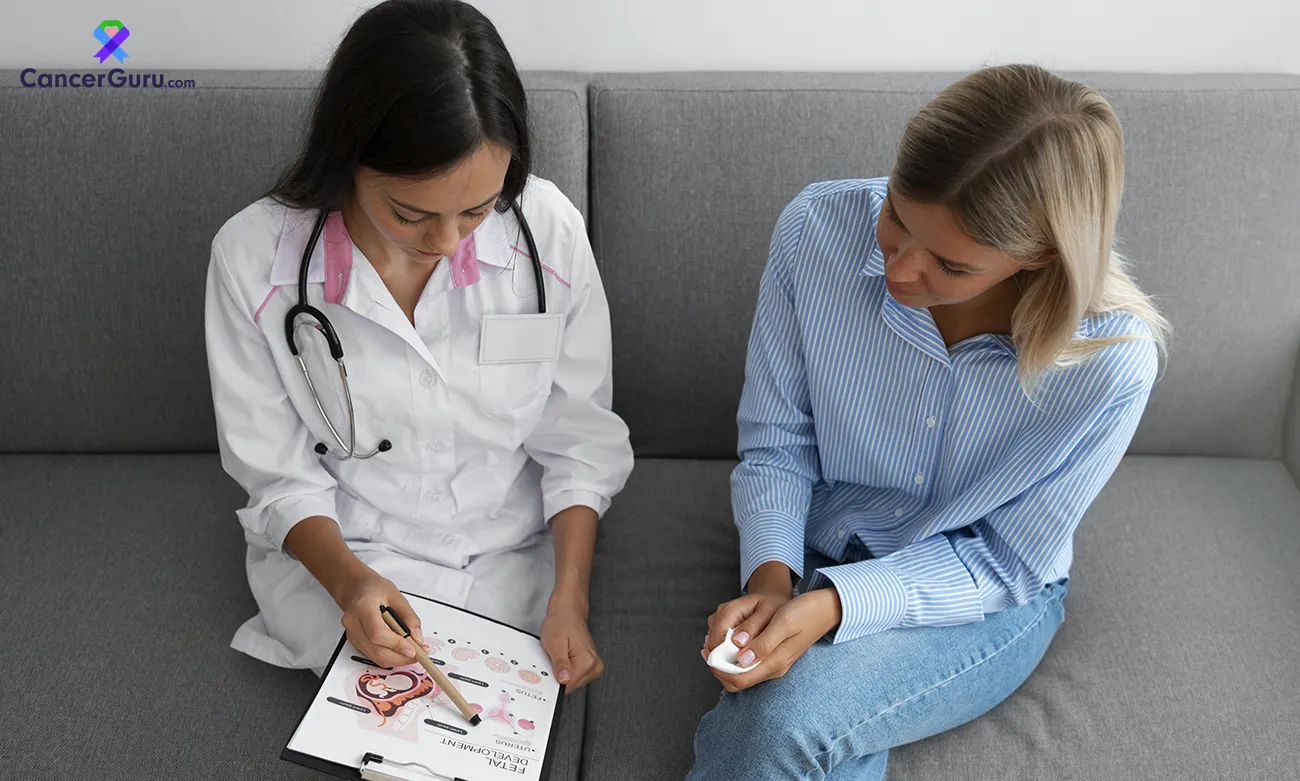
You did it. You got through the hardest part of the journey. The surgery is over, and the radiation beams have stopped firing. Now you’re standing in your living room, wondering what happens next. It’s a weird feeling. One day, you’re a patient with a calendar full of hospital dates. The next day, you’re just a person trying to get back to a life that feels a bit different from when it did before.
Healing isn't just about the cells in your body getting better. It’s about your mind and your daily routine getting back on track, too. You might feel like you’re waiting for the other shoe to drop. Or you might feel a huge sense of relief. Both are fine. This path forward is yours, and nobody else's.
Getting back to your life
The first few weeks after treatment ends are often the strangest. You might think you ought to feel great immediately. But your body has been through a lot. If you had surgery, your inside tissues are still knitting themselves back together. If you had radiation, those effects could linger for a long while.
You need to give yourself some grace. Don't expect to run a marathon or clean the whole house in one go. Start small. A walk to the end of the street is a win. Making a meal for yourself is a win. Your energy will come back, but it moves at its own pace. It’s like a battery that doesn't hold a charge very well yet. You have to plug in, and rest more often than you used to.
What the doctors need to see
You won't say goodbye to your medical team forever. They want to keep a close eye on you. This is a safety net. For the first two years, you’ll likely go back to the clinic every three to six months. These visits are a bit nerve-racking, but they're there to keep you safe.
The doctor will do a physical exam. They’ll look at your pelvic area. They might do a Pap test or an HPV test to check the cells. Sometimes they might want a scan like a CT or an MRI. If you have any new pain or bleeding between these visits, call them. Don't wait for your next date on the calendar. It’s better to check a false alarm than to sit at home worrying. After you hit the two-year mark without issues, the visits usually happen every six months. Once you hit five years, you might only go once a year.
Your body is going through stuff
Cancer treatment for this area of the body changes things. It’s not just about the tumor being gone. The treatment affects the parts around it, too. You might notice your bathroom habits are different. Radiation can make your bladder feel cranky. You might feel like you have to pee all the time. Or your bowels might get a bit sensitive to certain foods.
Early menopause and what it does
If your treatment includes taking out your ovaries or if radiation hits them, you might go through menopause right away. This isn't the slow shift that happens as you age. It’s like a sudden wall you hit. You might get hot flashes that make you want to jump into a pool of ice. You might find it hard to sleep. Your skin might feel dry and itchy.
Tiredness that won't quit
Fatigue after cancer is different from being sleepy. It’s deep bone tiredness. You could sleep for ten hours and still feel like you need a nap by noon. This happens because your body is using every bit of energy to repair the damage from treatment.
The best way to fight this is actually to move a little bit. It sounds counterintuitive. But a short walk can actually give you more energy than sitting on the couch all day. Just don't overdo it. Listen to your limbs. If they feel like lead, it’s time to sit down.
Changes in the bedroom
This is a topic a lot of people feel shy about. But it’s a big part of life. Surgery and radiation can change how your vagina feels. It might be shorter or narrower than it was. The walls might be thinner and drier. This can make sex feel painful or just plain weird.
Radiation can cause scar tissue called fibrosis. Doctors often suggest using a vaginal dilator to keep the tissue stretchy. It’s a tool you use for a few minutes a few times a week. It helps keep things open, so exams are less painful, and sex is possible again. Use plenty of water-based lubes. Take things slowly. Talk to your partner about how you feel. It takes time to find a new way to be intimate that feels good.
Feelings you might have
Your brain goes through as much as your body does. When you’re in the middle of treatment, you’re in survival mode. You’re just trying to get to the next appointment. When it stops, emotions often catch up to you. You might feel a lot of fear. Every time you have a backache or a cough, you might think the cancer is back. This is called scanxiety. It’s very common. Most of the time, that backache is just a backache. But fear is real.
Some people feel sad or depressed. You might grieve for the life you had before. You might feel bad about how your body looks or works now. Talking to a counselor or joining a group of people who have been through this can help a lot. Talking to someone who knows exactly what a pelvic exam feels like is a great way to make you feel less alone.
Food and moving around
You don't need a fancy diet. You just need good fuel. Try to put more colorful things on your plate. Fruits and veggies give your body the nutrition to fix itself. Lean meats or beans help build back the muscle you might have lost.
Drink a lot of water. Your kidneys and bladder need it to flush things out. If some food makes your stomach hurt now, just skip it for a while. Your gut might be a bit touchy for a few months.
Moving your body is also great for your health. You don't have to lift heavy weights. Yoga or stretching can help with the tightness in your pelvic area. It also helps with lymphedema. That’s a type of swelling that can happen in your legs if your lymph nodes were removed. If you see one leg getting bigger than the other, tell your doctor. They can give you special stockings or exercises to move that fluid around.
Dealing with the fear
The fear of cancer coming back is heavy weight. It sits in the back of your mind. Over time, that weight gets lighter. In the beginning, you might think about it every hour. A year from now, you might only think about it once a week.
One way to handle this is to focus on what you can control. You can’t control every cell in your body. But you can control what you eat and how much you rest. You can control going to your checkups. Focus on the day you’re in. Today you’re here. Today you’re okay. That’s a good place to start.
Talking to people who get it
Your friends and family love you, but they might not know what to say. They might tell you to just stay upbeat. Or they might act like you’re made of glass. It’s okay to tell them what you need. If you want to talk about your fears, tell them. If you want them to stop asking how you feel every five minutes, tell them that, too.
Support groups are great because you don't have to explain anything. They already know. They know about the weird side effects and the fear of the scans. Finding a community can make the road ahead feel a lot smoother.
FAQs
1. Will I ever feel like myself again?
Yes, but it might be a new version of yourself. You’ve been through a huge event. It changes how you see the world. Your energy and your health will get better, but you might have some permanent changes. Most people find a new normal that feels good, even if it’s different from their old life.
2. When can I go back to work?
This depends on what you do. If you sit at a desk, you might go back sooner. If you lift heavy things, you’ll need more time. Talk to your boss about a gradual return. Maybe it starts with a few hours a day or a few days a week. Don't rush it. If you go back too soon, you might crash and need even more time off.
3. Is it normal to be so tired months later?
Yes. Fatigue from cancer treatment can last for six months to a year or even longer for some. It’s not laziness. Your body is doing heavy work on the inside. Be patient with yourself.
4. What should I eat to stay healthy?
There is no magic food that stops cancer. Just try to eat a variety of things. More plants and less processed stuff are a good rule for everyone. Keep it simple. If you’re worried, see a nutritionist who works with cancer survivors. They can give you a plan that fits your needs.
5. Can I still have children?
This is a big question, and the response depends on your treatment. If you had a hysterectomy or high doses of radiation, you won't be able to carry a pregnancy. Some women have a special surgery called a trachelectomy that leaves the uterus in place. If you had your eggs frozen before treatment, you might have options with a surrogate. Talk to a fertility expert to see where you stand.
6. Why does my leg feel swollen?
This might be lymphedema. It happens when the fluid in your legs can’t drain properly because lymph nodes were removed or damaged. It’s a common thing after cervical cancer treatment. Don't ignore it. Some therapists specialize in this. They use massages and wrap to help the swelling go down.
7. How do I handle anxiety before a checkup?
Plan for it. Know that you’ll be a bit of a mess the week before. Be kind to yourself. Do things that keep your mind busy. Take a friend with you to the appointment so you don't have to sit in the waiting room alone with your thoughts. Once the exam is over, treat yourself to something nice.
8. Can I travel?
Usually, yes. Just check with your doctor first. If you’re at risk of lymphedema, you might need to wear a compression sleeve on a long flight. Bring your medical papers with you just in case you need to see a doctor while you’re away. Taking a trip can be a great way to mark the end of your treatment.
9. What if I see spotting or bleeding?
Any new bleeding should be reported to your doctor right away. It might be nothing. It could be from vaginal dryness or a small infection. But because you’ve had cervical cancer, the doctors always want to check it out. It’s better to be safe.
10. Do I still need Pap tests if my cervix was removed?
Yes. Your doctor will likely do a vault smear. This is where they take cells from the top of the vagina, where the cervix used to be. The goal is to make sure no bad cells are growing in the new tissue.
11. How do I talk to my partner about sex?
Be honest. Tell them what hurts and what feels good. It might be frustrating for both of you at first. Try other ways of being close that don't involve penetration. Use lots of lubes and take the pressure off. It’s about being together, not just about the act itself.
12. Should I take vitamins?
Talk to your doctor before you start any supplements. Some vitamins can mess with the way your body heals or interact with other meds you’re taking. Getting your nutrients from real food is usually the better way to go. Living life after a diagnosis is a journey. It’s not a straight line. Some days you’ll feel like you’ve got it all figured out. Other days you’ll feel like you’re back at square one. That’s okay. You’ve already shown how tough you are by getting through the treatment. Now you just have to take it one day at a time. Keep showing up for your appointments. Keep eating your greens. And keep being kind to the person in the mirror. You’ve been through a lot, and you deserve a good life on the other side.
Recent Posts
-
Cancer Awareness Resources: Types, Symptoms, Screening & Support
October 6, 2026 -

Nutrition During Cancer Therapy: What to Eat for Strength and Recovery
September 30, 2026 -
Ovarian Cancer Symptoms Women Often Miss
September 23, 2026 -
Leukemia vs. Lymphoma: Key Differences Explained
September 14, 2026 -
Signs and Symptoms of Childhood Cancer Parents Shouldn’t Ignore
September 8, 2026 -
Returning to Work After Cancer Treatment
September 3, 2026 -
Genetic Testing to Understand Your Family History
August 27, 2026 -

Talking to Children About a Parent’s Cancer Diagnosis
August 19, 2026 -

Managing Appetite Loss & Taste Changes During Cancer Treatment
August 14, 2026