
Cancer is striking earlier, showing up at advanced stages: Is pollution to blame?
December 8, 2025
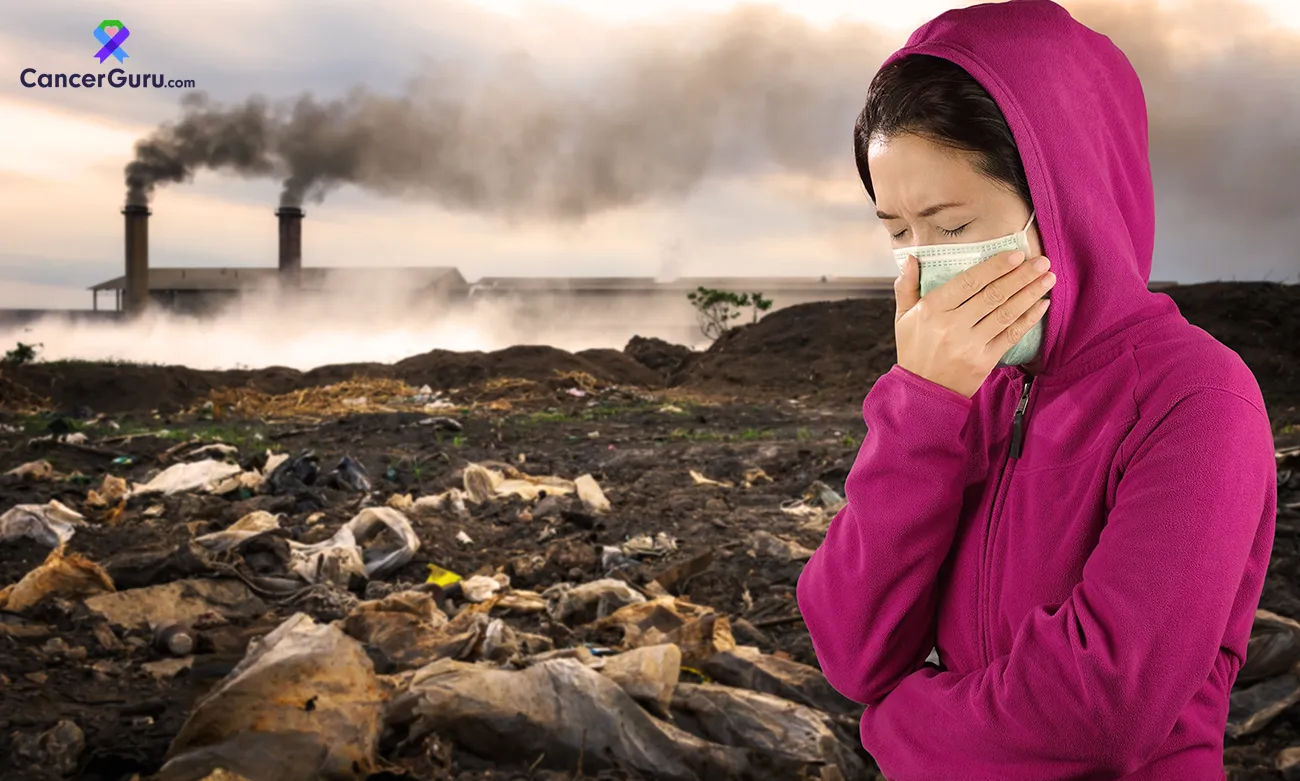
For the last ten years, oncologists from different parts of the world have been observing a disturbing phenomenon—the diagnosis of cancers which were previously only seen in the elderly is now being made in persons below fifty and often at a later stage. The increase in the number of cases among the young has created a lot of questions, which need urgent answers, about the factors responsible for this change.
Environmental pollution is gradually becoming one of the most worrying and underestimated contributors among the many factors such as diet, lifestyle, and genetics.
A Rising Wave of Early-Onset Cancer
Many significant research studies have verified that early-onset cancers are on the rise at a rate that cannot be allocated solely to genetic factors. Enhanced screening has a role in the early detection of certain cases; however, a lot of younger patients do not undergo any routine screening. Therefore, in a lot of situations, the increase in diagnoses reflects an actual rise in the incidence of the disease.
The situation is even more alarming; younger adults frequently have more aggressive tumors of advanced disease presentation partly due to the patients' age and symptoms of being mistaken for other conditions which leads to the delay in the diagnosis.
So, what has changed?
Environmental Pollution: A Quiet but Powerful Factor
The presence of toxins has gradually become a part of life—it is here to stay—through the very air that all living beings, poison included, inhale, the water we, and even the household items we use, consume, and lastly through food. Scientists are interlinking these toxins with the occurrence of more frequent and vigorous cancerous cells.
Among the pollution-related factors mentioned below, some are already being investigated rigorously:
- Air Pollution: Fine particulate matter (PM2.5), traffic emissions, and industrial pollutants are linked not only to lung cancer but also to other forms like breast, colorectal, and bladder cancers. These small particles go into the body and cause inflammation, DNA damage, and cellular stress which are major factors in cancer development.
- Contaminated Water: New studies show a connection between the presence of “forever chemicals” (PFAS), industrial runoff, heavy metals (like arsenic), and pesticides in water systems and the probability of getting cancer. Water is one of those things in life that individuals cannot easily control unlike food choices or exercise habits.
- Microplastics and Chemical Exposures: The day-to-day products we use such as cosmetics, packaging, and cleaning products come with the problem of containing endocrine-disrupting chemicals like phthalates and BPA. These chemicals can meddle with hormones, metabolism, and immune function. What is more, microplastics are now reported to have infiltrated the human body through blood and breast milk and even placental tissue.
- Ultra-Processed Foods and Additives: Diet may not be the first thing that comes to mind when thinking of “pollution,” however, it is a sad fact that many modern food products have the same or even more chemicals, preservatives, and contaminants than previous generations. Some of these synthetic compounds imitate hormones or provoke inflammation thus creating a tumor-friendly environment.
Why Are Younger Adults More Vulnerable?
Researchers suggested those who were born after the 1980s have had a much bigger exposure to the chemicals of industries, plastics, poor air quality, and processed foods during their lifetime compared to the people of previous generations. This means that the environment, which is causing cancer, has changed faster than the human body can adapt.
There are some factors that made that increase vulnerability, including:
- A longer and continuous exposure to the pollutants starting from childhood
- The young bodies are more sensitive and hence more toxic substances may be absorbed
- Greater exposure at critical times during the development (prenatal, early childhood, and adolescence)
- Presence of obesity and inflammation due to environmental factors
The Puzzle Isn’t Complete—But the Pattern Is Clear
Scientists are warning that pollutants are not the only reasons for the occurrence of cancer in young people, but it may represent a significant part of a complex puzzle that includes factors like lifestyle, gut microbiome alterations, genetic predispositions, etc.
Nevertheless, the links between environmental pollutants and cancer risk are so strong that health authorities are demanding the implementation of urgent measures—ranging from cutting down on emissions through regulatory controls over the use of chemicals to personal protective measures.
What You Can Do to Reduce Risk
Everybody has to accept the fact that complete avoidance of environmental exposure is not possible, but nonetheless, these actions can still help in the risk limitation:
- Utilize air filters and purifiers indoors especially where air pollution is heavy.
- Look into the reports on local water quality regularly; think about using certified water filters.
- Minimize the usage of plastics in food storage.
- Choose to use products for homes that have the least chemicals and are devoid of any scent.
- Increase the consumption of unrefined and fresh food.
- The community should encourage making laws about clean air and water.
The Bottom Line
The increase in cancer that starts earlier on is a worldwide public health problem that requires immediate and serious attention. Pollution will not be the only cause of this, but growing evidence tends to indicate that it is a more significant factor than earlier presumed. It is likely that dealing with environmental risks—besides early detection and healthier lifestyles—can help turn around these disturbing trends.
FAQs
1. Are we seeing a real increase in the number of early-onset cancers, or are we just more sensitive in our diagnosing?
Enhanced diagnostics are a factor though; several studies point toward genuine growth in the incidence of cancer among the younger population with the greatest impact on gastrointestinal and hormone-related tumors.
2. Do people living in polluted areas develop cancer if the disease does not run in their family?
Definitely. A genetic factor is not the only one that comes into play. What is more, environmental factors are justifiably leading to cancer in the absence of family history of the disease through DNA damage, hormone regulation, and immune system alterations.
3. Will the screening age for the young ones be pushed forward?
At least some guidelines are adapting already. For instance, colon cancer screening has now dropped to 45.
4. What is the easiest first step to reduce exposure at home?
Two of the most efficient and handy methods include changing from plastic food containers to glass and using a water filter of very good quality.
Image Credit: FreePik
Recent Posts
-

Cancer Awareness Resources: Types, Symptoms, Screening & Support
October 6, 2026 -

Nutrition During Cancer Therapy: What to Eat for Strength and Recovery
September 30, 2026 -

Ovarian Cancer Symptoms Women Often Miss
September 23, 2026 -
Leukemia vs. Lymphoma: Key Differences Explained
September 14, 2026 -

Signs and Symptoms of Childhood Cancer Parents Shouldn’t Ignore
September 8, 2026 -

Returning to Work After Cancer Treatment
September 3, 2026 -
Genetic Testing to Understand Your Family History
August 27, 2026 -

Talking to Children About a Parent’s Cancer Diagnosis
August 19, 2026 -

Managing Appetite Loss & Taste Changes During Cancer Treatment
August 14, 2026