Foods That Help Lower Cancer Risk & Foods to Limit
January 21, 2026
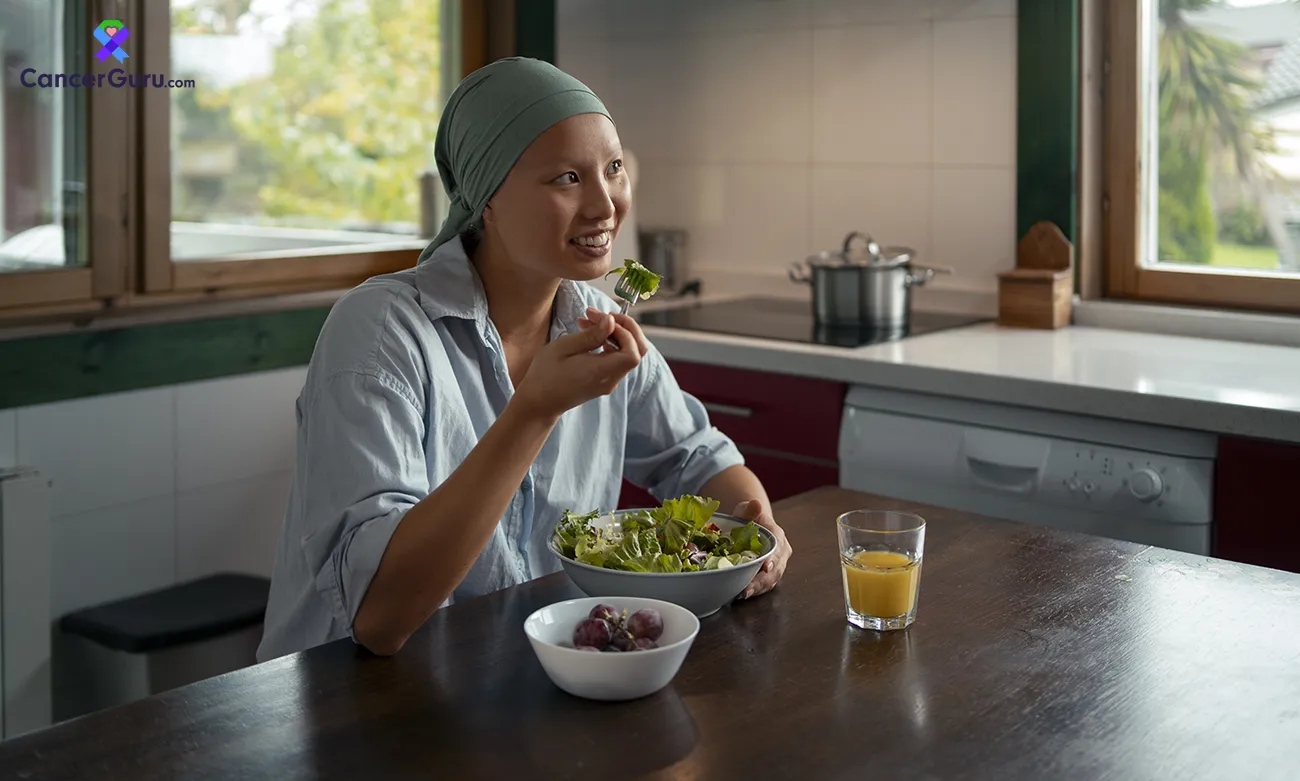
Eating well feels like a big puzzle sometimes. You hear one thing on the news and then read something totally different on social media the next day. It’s hard to know what is actually true. But when it comes to your health and lowers the risk of things like cancer, the kitchen is a great place to start. You don’t need a degree in science to make better choices. You just need to know which items help your body stay strong and which ones might cause some trouble down the road.
Your body is like a high-performance machine. If you put the right fuel in, it runs smoothly. If you keep dumping in gunk, things start to break. Let’s talk about the best stuff you can eat and the things you should probably skip next time you go grocery shopping.
The Power of Your Plate
Most people think about health in terms of weight or how they look in the mirror. But real magic happens inside your cells. Every time you eat, you’re giving your body tools to fix damage and keep things running. Some foods have special bits in them called antioxidants and phytochemicals. Those might sound like big words but think of them as a tiny cleaning crew. They go around your body and mop up the mess that can lead to health problems later.
No single food can stop cancer by itself. It’s more about the whole picture. If you fill your plate with colorful plants and keep the junk to a minimum, you’re giving yourself a much better shot at staying healthy.
The Superstars You Should Eat More Often
Fill Up on Leafy Greens
Spinach, kale, and collard greens are like gold for your body. They’re packed with fiber and vitamins. Fiber is great because it keeps your pipes clean. When things move through your system quickly, your body doesn't hold onto waste that could be harmful. These greens also have folate. That’s a B vitamin that helps your body make and fix DNA. Since cancer often starts when DNA gets messed up, having enough folate is a big help.
Try throwing some spinach into your morning eggs or making a big salad for lunch. It’s an easy way to get those greens in without much effort.
Bring On the Berries
Blueberries, strawberries, and raspberries are tiny but mighty. They get their bright colors from stuff called anthocyanins. These are those cleaners we talked about earlier. They help protect your cells from getting hurt. The best part is that berries are sweet, so they feel like a treat. You can put them in yogurt, oatmeal, or just eat them by hand. They have lots of vitamin C too, which keeps your immune system ready for a fight.
The Broccoli Family
Broccoli, cauliflower, cabbage, and Brussels sprouts are part of the cruciferous family. These veggies are famous in the health world for a reason. When you chew them, they release a compound that helps your body get rid of toxins. Some studies show these can help keep cells from turning into tumors.
If you don’t like steamed, try roasting them in the oven with a little olive oil and salt. They get crispy and taste way better. It changes the whole vibe of the meal.
Beans And Lentils
Beans are some of the cheapest and best things you can buy. Whether it’s black beans, chickpeas, or lentils, they’re all full of fiber. Most people don’t get nearly enough fiber. High fiber diets are linked to a lower risk of colon issues. Beans also have protein, so they keep you full for a long time. This helps you avoid snacking on junk later in the day.
Garlic And Onions
These might make your breath a bit stinky, but your body loves them. Garlic has sulfur compounds that seem to stop cancer cells from growing. It also helps your body repair itself. Onions have similar benefits. They add so much flavor to food that you won’t even miss the extra salt or heavy sauces. Try to let chopped garlic sit for about ten minutes before you cook it. This lets the healthy stuff activate, so you get the most out of every clove.
Tomatoes
Tomatoes are famous for something called lycopene. This is what makes them red. It’s also a powerful protector for your cells. Here’s a cool trick: your body actually gets more lycopene from cooked tomatoes than raw ones. So, pasta sauce, tomato soup, and canned tomatoes are really good for you. Just watch out for added sugar in the store-bought jars.
Whole Grains
Stop thinking about white bread and start thinking about oats, brown rice, and quinoa. Whole grains keep the entire seed intact. That means you get all the nutrients and fiber that get stripped away when they make white flour. Fiber is a huge player in keeping your gut healthy. A healthy gut means a stronger immune system, and that’s a win for everyone.
Foods To Put on the Limit List
It’s not just about what you add to your diet. It’s also about what you leave behind. You don’t have to be perfect, but cutting back on these items can make a massive difference.
Processed Meats
This is a big one. Bacon, sausage, deli meat, and hot dogs are tasty, but they come with a catch. Most of these are cured with chemicals called nitrates. When these meats are cooked at high heat, those chemicals can change into things that hurt your cells. Many health groups put processed meats in the same category as smoking when it comes to risk.
You don’t have to give up sandwiches forever. Just try to keep these meats as a rare treat instead of a daily habit. Look for fresh chicken or turkey instead of the sliced stuff from the deli counter.
Sugary Drinks
Soda, sweet tea, and even some fruit juices are just liquid sugar. When you drink a lot of sugar, your body makes a lot of insulin. High levels of insulin over a long time can lead to inflammation. Inflammation is like a slow fire in your body that can eventually lead to many diseases. Plus, extra sugar leads to weight gain. Staying at a healthy weight is one of the most important things you can do to keep your risk low.
Water is always your best bet. If you find water boring, try adding a squeeze of lemon or some cucumber slices. It makes it feel a bit fancier without the sugar crash.
Alcohol
This is a tough one for many people to hear. Even a little bit of alcohol can raise your risk for several types of cancer. When your body breaks down booze, it turns it into a chemical that can damage DNA. The more you drink, the higher the risk goes. If you do choose to drink, try to stick to the recommended limits. That’s usually one drink a day for women and two for men. But honestly, the less the better.
Highly Processed Snacks
We’re talking about chips, crackers, and boxed treats. These are often full of refined flour, bad fats, and tons of salt. They don’t have any fiber or vitamins to help your body. They also make you want to keep eating more even when you aren’t hungry. This leads to weight gain and poor health. Try to swap the chips for some nuts or seeds. You still get that crunch, but you get healthy fats and protein too.
Red Meat in Excess
You don't have to go to a full vegetarian if you don't want to. But eating a lot of beef, lamb, and pork is linked to higher risks. Try to keep your red meat to about twelve to eighteen ounces a week. That’s roughly three small portions. On the other days, try fish, beans, or poultry. It’s all about balance.
The Way You Cook Matters Too
Believe it or not, how you prepare your food is just as important as what you buy. If you take a healthy piece of fish and deep fry it until it’s brown and greasy, you lose some of those benefits.
Watch Out for The Char
When you grill meat at very high temperatures, it can create chemicals on the surface that aren't good for you. Those black char marks might look cool, but they carry risks. Try to marinate your meat first. This actually creates a bit of a shield, lowering the amount of those chemicals. Also, try flipping the meat often so it doesn't sit on the high heat for too long.
Steaming And Sautéing
Steaming is great because it keeps all the vitamins inside the vegetables. When you boil them, a lot of the beneficial nutrients leach out into the water. If you don't like steamed food, a quick sauté with a little bit of healthy oil works wonders. You get the flavor without the heavy grease of deep frying.
Use Spices Instead of Salt
Turmeric is a bright yellow spice that’s getting a lot of attention. It has something called curcumin, which is great for fighting inflammation. Black pepper helps your body soak up the curcumin better, so use them together. Cinnamon, ginger, and oregano are also great choices. Using spices means you don't need as much salt or fatty sauce to make your food taste great.
Simple Swaps for Every Day
Changing your whole life at once is hard. It’s better to make small swaps that you can actually stick with. Here are some easy ideas:
- Swap white rice for quinoa: It has more protein and fiber.
- Swap soda for sparkling water: You get the bubbles without sugar.
- Swap potato chips for air-popped popcorn: It’s a whole grain and has much less fat.
- Swap creamy salad dressing for olive oil and vinegar: You get healthy fats that help your body soak up the vitamins in your salad.
- Swap a steak for a piece of salmon: You get those omega-3 fats that are great for your heart and your brain.
Staying At a Healthy Weight
Weight is a sensitive topic, but it’s a big piece of puzzle. Carrying extra weight, especially around your middle, changes how your hormones work. It can cause higher levels of estrogen and insulin, which can encourage some cells to grow when they shouldn't.
Don't worry about being a certain size. Just focus on moving your body more and eating those whole foods. When you focus on health instead of just the number on the scale, the weight usually takes care of itself. Take a walk after dinner or play with your kids or pets. Every bit of movement counts.
Don't Forget to Hydrate
Water is the unsung hero of a healthy body. It helps flush out things your body doesn't need. It also keeps your cells hydrated so they can do their jobs. Sometimes when you think you’re hungry, you’re just thirsty. Drinking a glass of water before a meal can help you eat just what you need and not overdo it.
The Mental Side of Eating
How you think about food matters too. If you feel guilty every time you eat a cookie, you’re adding stress to your life. Stress isn't good for your immune system either. Aim for the eighty-twenty rule. If you eat well eighty percent of the time, that other twenty percent won't ruin your progress. Enjoy your food! Eating should be a happy part of your day, not a source of worry.
Buying What Is in Season
When you buy fruits and veggies that are in season, they usually taste better and have more nutrients. They haven't spent weeks on a truck or a boat getting to you. Check out your local farmers' market if you have one. You get the freshest stuff, and you support people in your community. Plus, it’s a great way to find new things you might not see at the big grocery store.
Making It a Habit
The best diet isn't a crash program that lasts for two weeks. It’s the way you eat every single day. Start small. Maybe this week, you can just try adding one extra vegetable to your dinner. Next week, maybe you can swap your afternoon soda for some tea or water. These small wins build up over time.
Before you know it, you’ll be craving fresh stuff instead of greasy snacks. Your body will feel better, you’ll have more energy, and you’ll know you’re doing something great for your long-term health.
Quick Grocery List for Success
When you head to the store, try to keep these items at the top of your list:
- Colorful Veggies: Bell peppers, carrots, broccoli, and spinach.
- Fresh Fruit: Apples, oranges, and whatever berries look good.
- Proteins: Beans, lentils, eggs, and wild-caught fish.
- Grains: Steel cut oats and brown rice.
- Fats: Avocados, walnuts, and extra virgin olive oil.
Keep the center aisles of the store for things like beans and grains but spend most of your time around the edges where the fresh stuff lives. That’s usually where the healthiest choices are kept.
Final Thoughts on Eating for Health
Taking care of your body through food is one of the most powerful things you can do. It’s not about being perfect or following a strict set of rules. It’s about making better choices more often. Listen to your body. It usually tells you what it needs. If you feel sluggish after a big, heavy meal, that’s a sign. If you feel energized after a big salad with some grilled chicken, that’s a sign too.
You have the power to influence your future health every time you pick up a fork. Fill your plate with the colors of the rainbow and keep the processed stuff for special occasions. Your body will thank you for the years to come.
Recent Posts
-
Cancer Awareness Resources: Types, Symptoms, Screening & Support
October 6, 2026 -

Nutrition During Cancer Therapy: What to Eat for Strength and Recovery
September 30, 2026 -

Ovarian Cancer Symptoms Women Often Miss
September 23, 2026 -
Leukemia vs. Lymphoma: Key Differences Explained
September 14, 2026 -

Signs and Symptoms of Childhood Cancer Parents Shouldn’t Ignore
September 8, 2026 -

Returning to Work After Cancer Treatment
September 3, 2026 -

Genetic Testing to Understand Your Family History
August 27, 2026 -

Talking to Children About a Parent’s Cancer Diagnosis
August 19, 2026 -

Managing Appetite Loss & Taste Changes During Cancer Treatment
August 14, 2026