
BRCA Gene Mutation: Do You Have a Higher Cancer Risk? Testing & Next Steps
April 30, 2026
Every April we mark Esophageal Cancer Awareness Month. It is time to talk about a part of the body many people do not think about until it hurts. Your esophagus is the hollow tube that carries food and liquid from your throat down to your stomach. It is a tough worker, but it can run into big trouble. This type of cancer is often missed in the beginning. People think they just have a bit of heartburn or a slow swallow. By the time they see a doctor, the sickness has often spread. We want to change that. Knowing the signs early can save your life.
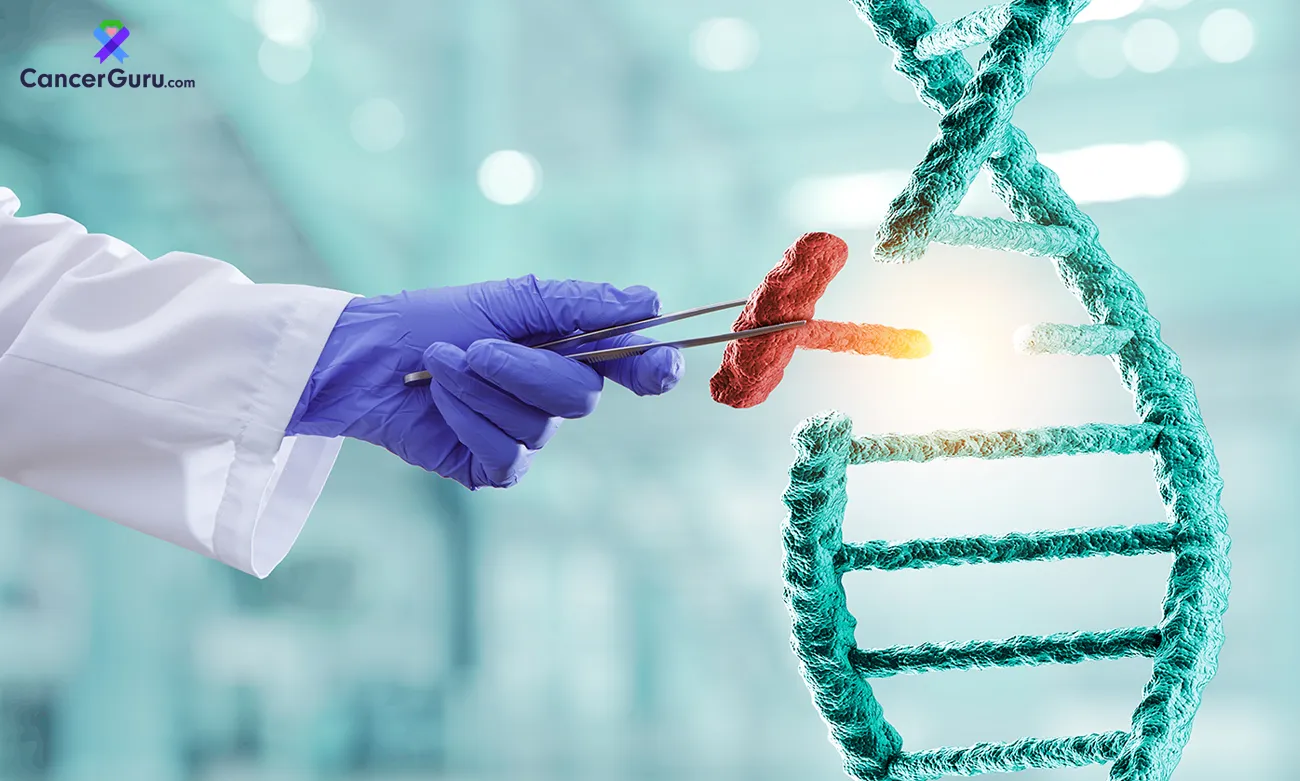
One of the most talked about parts of our DNA is the BRCA gene. You might have heard about it in the news or from a friend. Maybe you are here because a doctor mentioned it. Most people think of it as a breast cancer gene. That is not quite right, though. We all have these genes. They are actually there to protect us. It is only when they have a mutation or a mistake in the code that the risk for cancer goes up.
Let's look at what this means for you and your loved ones. We will talk about what these genes do, how testing works, and how you can take control of your health if you have a family history of cancer.
What is the BRCA Gene Mutation
To know what a mutation is, you first need to know what the gene does when it is working correctly. You have two BRCA genes: BRCA1 and BRCA2. Their main job is to fix broken DNA. Think of them like the repair crew for your cells. Every day, your cells divide and grow. Sometimes, as they divide, the DNA gets damaged. If that damage stays there, the cell can start growing out of control. That is how cancer starts.
The BRCA genes produce proteins that act like shields. They find the broken DNA and fix it before it can turn into a tumor. They are known as tumor suppressors. Everyone has these genes. You get one copy from your mom and one from your dad.
A BRCA gene mutation is simply a mistake in that shield. If the gene is broken, the repair crew cannot do its job. The damage in your cells builds up over time. This makes it much more likely that cancer will grow. It does not mean you have cancer right now. It just means your body lacks one of the best ways to stop it.
Hereditary Cancer Risk Factors
Cancer is a very common disease, but most cases are not passed down from parents. Most cancer happens because of getting older or things in the environment. Only about 5 to 10 percent of breast cancers and about 15 percent of ovarian cancers are linked to genes you are born with. This is what we call hereditary cancer.
If you have a mutation in BRCA1 or BRCA2, your risk for certain types of cancer is much higher than that of the average person.
Breast Cancer
For a woman in the general population, the chance of getting breast cancer in her life is about 12 percent. If she has a BRCA1 mutation, that risk can jump to as high as 72 percent. For BRCA2, the risk is around 69 percent. These cancers also tend to show up at a younger age, often before a woman hits 50.
Ovarian Cancer
This is another big one. The risk for the average woman is very low, about 1.3 percent. But with a BRCA1 mutation, that risk goes up to 40 or 50 percent. With BRCA2, it is about 11 to 17 percent. Because ovarian cancer is hard to find early, knowing your gene status is a huge deal.
Other Cancers
It is not just for women. Men with these mutations have a higher risk of male breast cancer and prostate cancer. Both men and women with BRCA mutations also have a higher chance of getting pancreatic cancer and melanoma, which is a type of skin cancer.
Family History of Cancer: When to Worry
Not everyone needs a BRCA test. Most people don't. But you should look closely at your family tree. Genes are passed from generation to generation. If your dad has a mutation, you have a 50 percent chance of having it too. The same goes for your mom.
Here are some signs that your family might have a hereditary risk:
- Someone in your family had breast cancer at age 50 or younger.
- A woman in your family had cancer in both breasts.
- There is a history of both breast and ovarian cancer in the same family.
- You have Ashkenazi Jewish heritage. People with this background have a 1 in 40 chance of having a BRCA mutation, which is much higher than other groups.
- Multiple generations on the same side of the family have had breast, ovarian, pancreatic, or prostate cancer.
If any of this sounds like your family, it's a good idea to talk to a professional. You don't have to guess. Some experts can look at your tree and tell if testing makes sense to you.
The BRCA test: What Does it Mean?
So, how do you really learn? Even though the science behind the BRCA test is complicated, it's not hard for you to do. It usually means giving a small blood sample or spitting into a tube. They send that sample to a lab where they check every letter in your BRCA1 and BRCA2 genes to see if anything is wrong.
You should talk to a genetic counselor before you take the test. These people know a lot about science, but they also know how to talk about how it makes them feel. They will help you figure out what a good or bad result would mean for your life.
The Different Types of Results
When the lab finishes looking at your DNA, they will send a report. There are three main things that a report can say:
Positive: This means they found a known mutation that increases cancer risk. It does not mean you have cancer. It means you have a higher risk and need a plan to manage it.
Negative: This means they did not find any dangerous mutations. If you have a family member with a known mutation and yours is negative, that is great news. It means you did not inherit that risk. But if no one else in your family has been tested, a negative result is a bit more complicated. There could be other mutations the test didn't look for.
Variant of Uncertain Significance (VUS): This is the frustrating one. It means the lab found a change in your gene, but they don't know if it's bad or not. We all have tiny differences in our DNA that make us unique. Most are harmless. If you get a VUS, doctors usually treat you based on your family history rather than the test result itself. Over time, as we learn more, many VUS results get reclassified as harmless.
What to Do Next If You Test Positive
Getting a positive result can feel like a heavy weight. It is okay to feel scared or overwhelmed. But try to look at it as a way to take back power. Instead of waiting for something to happen, you can take steps to stop cancer before it ever starts.
You have a few main paths you can take.
High Level Screening
This means you get checked much more often than other people. Instead of one mammogram a year starting at age 40, you might start at age 25. You might also get breast MRIs. For ovarian cancer, you might have regular ultrasounds and blood tests. This does not prevent cancer, but it helps find it when it is very small and easy to treat.
Medicine
Some drugs can lower the risk of breast cancer. These are often used for women who have a high risk but are not ready for surgery. For ovarian cancer, taking birth control pills for a few years can actually cut the risk by a lot.
Risk Reducing Surgery
This is the most intense choice, but it is also the most effective. Some women choose to have their breast tissue removed, which is called a prophylactic mastectomy. This can lower the risk of breast cancer by about 95 percent.
Another choice is removing the ovaries and fallopian tubes. This is usually done after a woman is finished having children, often between the ages of 35 and 45. This surgery is very effective at preventing ovarian cancer. Since ovarian cancer is so hard to find early, many doctors suggest this as the best way to stay safe.
Genetic Testing for Cancer: The Bigger Picture
It is not just about you. If you have a mutation, your siblings and your children might have it too. Sharing this news with family is hard. Some people want to know, and some don't. It is a personal choice. But sharing the info can save lives. It gives your relatives the chance to get tested and take their own steps.
You might also worry about your job or your insurance. In the United States, there is a law called GINA (Genetic Information Nondiscrimination Act). This law makes it illegal for health insurers or employers to treat you differently based on your genetic information. It does not cover life insurance or long-term care insurance, so that is something to keep in mind before you get tested.
Making a Choice That is Right for You
There is no one right way to handle a BRCA mutation. Some people want surgery right away so they can stop worrying. Others prefer to do extra scans and wait. Your choice depends on your age, your plans for a family, and how you feel about risk.
The most important thing is that you do not have to figure this out alone. You can work with oncologists and genetic experts who see this every day. They can help you weigh the pros and cons of each choice.
Taking the First Step
World DNA Day serves as a wonderful reminder of how much our DNA defines us. In the case of familial cancer, knowing your BRCA status can be the key to saving your life. It enables you to take action on the problem. You will have options open to you to decrease your likelihood of being affected by the disease.
In the case of a family history of cancer, do not let the problem linger. Take the initiative to seek help from an oncologist or a genetic counselor. This way, you can assess the situation and make an informed decision as to whether testing is the proper step for you to take. Knowledge is power when it comes to beating cancer.
Why Testing Matters for the Future
The world of science is evolving rapidly. Each year, new methods for treating cancer associated with BRCA gene mutations are discovered. In addition, there are specialized drugs called PARP inhibitors that are particularly efficient when used on patients with BRCA gene mutations. Therefore, taking genetic tests is more than searching for negative results. With a test, you get information that can help find the best treatment methods for your body in case of any disease.
Ultimately, genetics alone cannot tell anything about you as a person. A gene mutation is merely an aspect that can be used to improve your quality of life. Regardless of your decision whether to take the test or not, it is important to know your family's medical history and its implications. Use the beginning of April to trace back your ancestry and make the right decisions for your health and the health of your loved ones.
Need Expert Advice?
If you have questions about your risk or want to learn more about the testing process, our team at CancerGuru is here to help. Reach out to our oncology experts today to start a conversation about your health and your future. We can help you navigate the results and create a plan that fits your life. Don't wait for a "maybe" when you can have a "know."
The world of genetics can seem like a lot to take in. It's okay to take it one step at a time. Start by asking your older relatives about the health of your grandparents or great aunts and uncles. Write it down. That simple list of who had what and at what age is the first tool your doctor will use. From there, you can decide if you want to look deeper into the code that makes you, you.
April 25 is a day for celebrating science, but it is also a day for families. By learning about BRCA and hereditary risk, you are doing something big for yourself and for the people you love. You are choosing to be informed. You are choosing to stay ahead of the game. That is a great way to honor the discovery of DNA.
Remember that you are not alone in this. Thousands of people walk this path every year. There are support groups, online forums, and medical teams ready to back you up. A BRCA mutation might be a glitch in the code, but with the right plan, it does not have to be the end of the story. It is just a chapter that requires a bit more care and attention. Stay informed, stay proactive, and keep looking forward to it. Your health is worth the effort.
The journey of a thousand miles starts with one step, and for many, that step is a simple conversation with a doctor. If you've been putting it off, let World DNA Day be the spark that gets you moving. You have the power to change your health story. Use it.
FAQs
Can men have a BRCA mutation?
Yes. Men also have the BRCA1 and BRCA2 genes. They can give mutations to their kids. Men have a lower risk of breast cancer than women, but a mutation still increases that risk. It also makes it more likely that you will get a more aggressive type of prostate cancer.
If I have a mutation, will I definitely get cancer?
No, it's a risk, not a sure thing. Some people who have the mutation live long lives and never get cancer. But doctors want you to be very careful because the risk is much higher than normal.
How much does the test cost?
It used to be very expensive, thousands of dollars. Now, it is much cheaper. Many insurance plans cover it if you meet certain criteria, like having a strong family history. If you have to pay out of pocket, many labs offer the test for around $250.
At what age should I get tested?
Most doctors suggest waiting until you are at least 18. Since the cancers linked to BRCA usually don't show up in childhood, there is no rush to test kids. Most people think about testing in their 20s or 30s when the results start to change how they manage their health.
What if I already had cancer?
Testing is still very useful. If you have a BRCA mutation, it might change how your doctors treat your current cancer. It also tells you that if you are at risk for a second, new cancer will be in the future. And of course, it provides vital info for your family.
Does a negative result mean I am safe?
It means you don't have a mutation in the BRCA genes. You still have the same risk as the general population. You should still do regular checkups and lead a healthy life. If your family has a lot of cancer, but your BRCA test is negative, there might be other genes at play that we haven't found yet.
How do I talk to my kids about this?
It is best to be honest, but age is appropriate. You can explain that there is a "typo" in the family instruction book and that doctors are helping you stay healthy because of it. As they get older, you can give them more details so they can make their own choices when they are adults.
Image Credit: Serg Nivens at FreePik
Recent Posts
-
Cancer Awareness Resources: Types, Symptoms, Screening & Support
October 6, 2026 -

Nutrition During Cancer Therapy: What to Eat for Strength and Recovery
September 30, 2026 -
Ovarian Cancer Symptoms Women Often Miss
September 23, 2026 -
Leukemia vs. Lymphoma: Key Differences Explained
September 14, 2026 -
Signs and Symptoms of Childhood Cancer Parents Shouldn’t Ignore
September 8, 2026 -

Returning to Work After Cancer Treatment
September 3, 2026 -

Genetic Testing to Understand Your Family History
August 27, 2026 -

Talking to Children About a Parent’s Cancer Diagnosis
August 19, 2026 -

Managing Appetite Loss & Taste Changes During Cancer Treatment
August 14, 2026