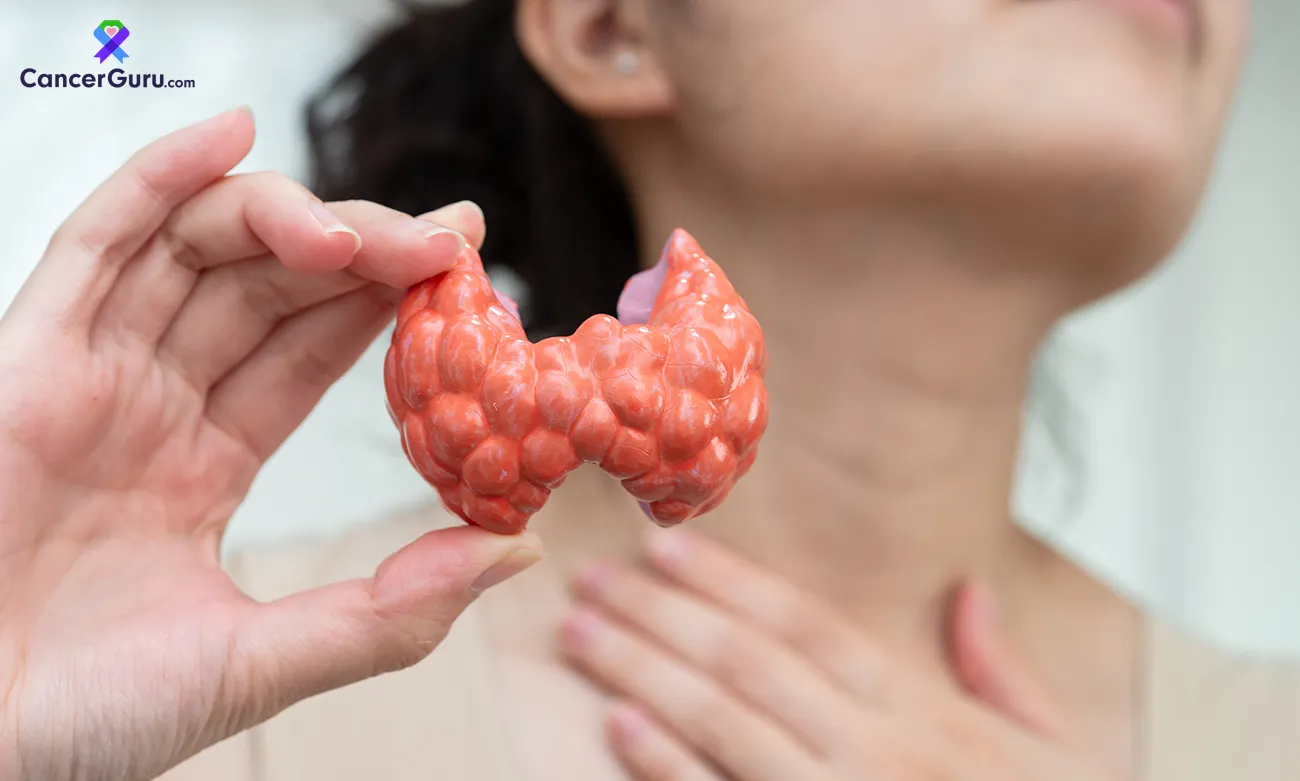
How Microplastics May Increase Cancer Risk Over Time
May 8, 2026

Look around your house right now. You probably see plastic everywhere. We use plastic bags, bottles, and wrappers every single day. We buy our groceries wrapped in the stuff. We store our leftovers in it. We even drink many food items from plastic cups. This material is cheap and incredibly easy to make. That explains why companies use it for almost everything.
But there is a hidden problem we need to talk about. Plastic does not just disappear when you throw it away. It does not turn into dirt like an apple core would. Instead, it breaks down into smaller pieces. We call these tiny fragments microplastics.
These bits of plastic are incredibly small. Sometimes you cannot even see them with your naked eye. But they exist everywhere. They float in oceans and rivers. They blow around in the wind. They rain down on our soil. Because they literally blanket the environment, they end up in our water, our food, and the air we breathe.
The Link Between Microplastics and Cancer
They eventually make their way right inside our bodies. You might ask what happens when you swallow or breathe in these tiny particles. Medical researchers ask the exact same question. They look closely at how these plastics behave inside the human body.
Early science suggests these tiny particles might stick around in our tissues. When foreign objects stay in your body, your immune system reacts. Your body tries to fight off the invader. This fight causes inflammation.
Over time, constant inflammation causes cellular damage. And when your cells get damaged repeatedly, it can raise your risk for serious diseases. Many doctors fear this constant irritation could raise your cancer risk over time. We need to look closely at this connection between microplastics and cancer.
Simple Actions You Can Take Today
Science is still young, but we know enough to take action right now. You do not need to wait for decades of studies to start making better choices for your health.
While research is still ongoing, we can take practical steps:
- Use glass or stainless steel instead of plastic containers
- Avoid heating food in plastic
- Choose natural fiber clothing
- Filter your drinking water
The Invisible Threat in Our Homes
Let us talk about where these tiny plastics come from in the first place. You might think they only come from big factories or garbage dumps. But they actually come right from the things we use in our own homes.
When you wash a fleece jacket, thousands of tiny plastic threads break off and go down the drain. When a plastic water bottle sits in the sun, the heat makes the plastic break apart faster. Even opening a plastic wrapper sheds invisible specks of plastic into the air right in front of your face.
Car tires also shed massive amounts of plastic dust onto the roads as people drive. The rain washes this dust into storm drains, which lead straight to our rivers.
How Plastic Travels to Your Plate
Once these plastics get into the water, they are incredibly hard to clean up. Fish and sea animals swallow them. Then, when people eat seafood, they eat plastic too.
But it isn't just seafood. Scientists find microplastics in salt, honey, and beer. They sit in the dust that settles on your dinner plate at home. They flow directly from your sink in your tap water.
They definitely exist in the bottled water you buy at the store. In fact, bottled water usually has way more plastic particles than regular tap water.
What Happens When Plastic Enters Your Body
So, how exactly does this relate to cancer? Let us talk about what happens on a microscopic level. Your body is an amazing machine. It knows exactly how to deal with natural things like germs or viruses.
But your body doesn't know what to do with a tiny piece of polyethylene. When a plastic particle gets into your stomach or lungs, your body senses a foreign object. It sends white blood cells to attack the invader.
The bad news is that white blood cells can't break down plastic. The plastic just sits there. Your body keeps trying to attack it, which creates a constant state of alert.
Chronic Inflammation and Cell Damage
We call this constant state of alert chronic inflammation. You have probably heard doctors talk about inflammation before. Short bursts of inflammation are good. They help heal a cut on your finger or fight off a cold.
But chronic inflammation is very bad. It means your body fights a battle that never ends. Over months and years, this constant fighting damages your healthy cells. Your cells have to repair themselves over and over again.
Every time a cell repairs itself and divides, there is a small chance it makes a mistake. If a cell makes the wrong kind of mistake, it can start to multiply out of control. This uncontrolled multiplying is what we call cancer.
The Chemical Danger of Microplastics
Besides physical irritation, plastics also carry chemicals. Manufacturers add all kinds of chemicals to plastic to make it soft, hard, clear, or colorful. You might know about BPA or phthalates.
These chemicals act like false hormones in your body. They trick your body into making too many or too little specific hormones. Hormones control almost everything your body does, from your metabolism to your mood to how your cells divide.
When chemicals from microplastics mess with your hormones, they create an environment where cancer cells might thrive. These particles also act like tiny sponges while they float around. They soak up other harmful chemicals like pesticides. When you swallow the plastic, you also swallow the toxic chemicals it picked up along the way.
Swap Out Plastic Food Storage
This might sound scary. It's completely normal to feel a bit worried when you hear facts like these. But you don't have to feel helpless. There are so many things you can do right now to cut down on your exposure.
The first big step is changing how you store your food and drinks. Most people have cabinets full of plastic food storage containers. We use them for leftovers, lunchboxes, and snacks. Every time you scrape a spoon against the side of a plastic bowl, you scratch off tiny pieces of plastic right into your food.
Instead of plastic, start using glass or stainless-steel containers. Glass is amazing because it doesn't react to food. It doesn't release any chemicals, and it never sheds microplastics. Mason jars offer a cheap and easy way to store soups, salads, and dry goods like rice or beans.
Stop Heating Food in Plastic Containers
The next step is huge. Stop heating your food in plastic. This is a rule you should follow strictly. When plastic gets hot, it breaks down much faster.
Heat causes the plastic material to loosen up, which lets chemicals and microparticles bleed directly into your food. Think about those frozen dinners that come in plastic trays. You put them in the microwave for five minutes until they are piping hot. During those five minutes, a large number of plastic particles transfer straight into your meal.
If you need to heat something in the microwave, always put it on a real ceramic plate or in a glass bowl first. Even if a plastic container says microwaves are safe, you should ignore them. Microwave safety usually just means the plastic won't melt into a puddle in your microwave. It doesn't mean the container won't release invisible microplastics into your soup.
Paper Cups Are Hiding Plastic
This rule applies to hot drinks, too. Those paper coffee cups you get at the coffee shop usually have a thin layer of plastic inside, so the paper doesn't turn to mush.
When you pour boiling hot coffee into that cup, the plastic lining releases millions of particles into your drink.
Bring your own stainless steel or ceramic travel mug to the coffee shop instead. Your coffee will taste better, and you won't drink a side of plastic with your morning caffeine.
Choose Natural Clothes for Your Closet
The third step has to do with your clothes. Believe it or not, your closet is a big contributor to microplastic pollution. Check the tags on your shirts, pants, and sweaters. You will likely see materials like polyester, acrylic, nylon, and spandex.
These are all just different forms of plastic. They are cheap to make, so clothing companies use them constantly. The problem happens when you wear and wash these clothes. Every time you move around in a polyester shirt, microscopic plastic fibers break off into the air around you.
The bigger issue happens in the laundry room. When you wash plastic based clothes in your washing machine, the friction causes millions of microfibers to snap off. The washing machine drains the water, sending all those plastic fibers straight into the local water system. Wastewater treatment plants can't catch fibers this small, so they flow right into the rivers and oceans.
Dress in Cotton and Wool
To fix this, start choosing clothes made from natural fibers. Look for items made of one hundred percent cotton, wool, silk, linen, or hemp. These materials come from plants and animals, not from oil refineries.
When a cotton fiber breaks off and goes down the drain, it eventually breaks down completely in nature because it's a natural material. Natural fibers are also much better for your skin. They breathe better and keep you cooler in the summer and warmer in the winter.
You don't have to throw away all your polyester clothes today. But next time you need a new shirt or a pair of pants, check the tag. Choose natural materials whenever you can.
Filter Your Drinking Water
We talked earlier about how tap water and bottled water both contain microplastics. Bottled water is particularly bad. The water sits inside a plastic bottle for months on a store shelf, often exposed to heat during shipping.
The bottle constantly sheds particles into the water. Every time you twist the plastic cap open, the friction breaks off even more tiny plastic shards that fall right into the bottle. Ditching single use plastic water bottles is one of the smartest things you can do for your health and for the planet.
Instead, get a good quality water filter for your tap water. You can find many different types of filters out there. A simple pitcher filter that uses carbon will catch some of the larger plastic particles, but it might let the smallest ones slip through.
The Best Way to Clean Your Water
If you want the best protection, look into reverse osmosis systems. These systems use a very tight membrane that forces water through microscopic holes.
The holes are so small that almost nothing except pure water molecules can get through. Reverse osmosis filters remove almost all microplastics, as well as lead, chlorine, and other chemicals. They cost a bit more up front, but they last for years.
Once you filter your water, pour it into a reusable stainless steel or glass water bottle. Carry this bottle with you everywhere you go. Keep it at your desk at work. Take it with you in the car. Having your own clean water on hand means you will never feel tempted to buy a cheap plastic water bottle from a gas station.
Upgrade Your Kitchen Tools
Think about your kitchen tools. What kind of spatulas and spoons do you use when you cook? A lot of people use black plastic cooking utensils because they are cheap and they don't scratch nonstick pans.
But think about what happens when you press a plastic spatula against a hot frying pan. The heat melts the very outer layer of the plastic. Tiny plastic flakes melt straight into your scrambled eggs or your pasta sauce. Over a lifetime, that equals the huge amount of melted plastic you eat.
Switch to wooden spoons and wooden spatulas. Wood is completely natural. It doesn't melt. It doesn't release toxic chemicals into your hot food. Bamboo is a great choice because it's strong and lightweight.
Swap Out Your Cutting Boards
What about your cutting boards? Plastic cutting boards are very popular. But every time you chop an onion or slice a tomato, your sharp knife digs into the plastic board.
The knife slices off microscopic slivers of plastic that stick to your food. You end up eating those plastic slivers along with your dinner. You can see this if you look closely at an old plastic cutting board. It will have hundreds of deep scratch marks.
Switch to a solid wood cutting board. Wood is tough and durable. In fact, many types of wood have natural properties that kill bacteria. A good wooden cutting board can last for decades if you wash it by hand and rub a little mineral oil on it once in a while.
Check Your Bathroom for Hidden Plastics
Now let's move from the kitchen to the bathroom. You might feel surprised to find microplastics hiding in your personal care products. Years ago, many companies put tiny plastic beads in face washes and toothpaste to help scrub your skin.
Most places banned those beads, but companies still use hidden liquid plastics in things like shampoo, body wash, lotion, and makeup. These ingredients make the products feel smooth or stick to your skin longer.
When you wash your face or take a shower, these plastics wash down the drain. Read the labels on your bathroom products. Look for words that end in cone or siloxane, which often indicate plastic type ingredients. Buy bar soaps in cardboard packaging instead.
Watch Out for Plastic Tea Bags
We also need to talk about tea. Drinking tea is supposed to be one of the healthiest habits you can have. It's full of antioxidants. But many tea companies now use plastic tea bags instead of paper ones.
These plastic tea bags look like fine silk meshes. They are shaped like pyramids and look very fancy. But when you drop a plastic tea bag into a mug of boiling water, the extreme heat causes the plastic to break down rapidly.
Researchers tested these fancy tea bags and found something shocking. A single plastic tea bag can release billions of microplastic particles and nanoparticles into one cup of tea. Switch to old fashioned paper tea bags, or better yet, buy loose leaf tea.
Clean the Air Inside Your House
Let's also think about the air inside your home. We mentioned earlier that microplastics float in the air. A lot of this comes from the dust settling from our clothes, carpets, and furniture.
Many carpets are made of synthetic plastic fibers like nylon or polyester. Every time you walk across the carpet, tiny fibers break off and float into the air. If you have young children or babies who crawl on the floor, they breathe in a lot of plastic dust.
You can keep the plastic dust levels down by vacuuming regularly with a vacuum that has a HEPA filter. Hardwood floors or tile floors are much better than wall to wall carpeting. Dusting your furniture with a damp cloth instead of a dry duster also helps trap the dust so you can wash it away.
Keep Babies and Children Safe
Children are much smaller than adults. This means a tiny amount of plastic in a child's body is a much bigger deal. Think about baby bottles. Many baby bottles are made of clear plastic because they don't break when dropped.
But parents heat these bottles in warm water to heat up the milk. The warm temperature causes the plastic bottle to shed millions of tiny plastic specks right into the milk. The baby then drinks all of those specks. You can easily fix this by switching to glass baby bottles.
Also, think about the toy babies chewing on. Teething rings and soft plastic toys spend hours inside a baby's mouth. Look for teething toys made of one hundred percent natural rubber or pure silicone instead. Switch to stainless steel plates or bamboo plates for the little ones.
Taking Charge of Your Health
Every single area of our lives has been touched by plastic. It's a material that changed the world, making many things cheaper and more convenient. But we are now paying the hidden price for that convenience.
Our bodies are taking the hit. The tiny particles lodge in our lungs, our stomachs, and our bloodstream. The inflammation they cause is real, and the possible link to cancer is a risk we simply cannot ignore.
We are living in a giant experiment. We are the first generations exposed to this much plastic from the day we are born. Scientists scramble to catch up and figure out the exact consequences.
Making Better Choices Every Day
You have common sense. You don't need a medical journal to tell you that eating melted plastic spatulas or breathing in polyester dust is bad for your body. You know that natural things are healthier for you.
Taking action is about reclaiming your health. It's about looking at your daily habits and asking how you can do things better. A glass food container might cost a few dollars more than a cheap plastic one, but it protects your family for years.
It all comes down to being mindful. Pay attention to what you buy and how you use it. When you are at the grocery store, skip the vegetables wrapped in layers of plastic film. Buy the loose apples and put them in a reusable cotton produce bag.
Lowering Your Cancer Risks
This journey away from plastic does not happen perfectly. There will be times when you have to buy something in plastic. Don't beat yourself up over it.
The idea is not to be one hundred percent perfect. That is almost impossible in today's world. The aim is just to drastically reduce the amount of plastic you take in. If you can cut your exposure by half, you give your body a massive advantage. Your immune system will thank you.
The world is full of things we cannot control. We cannot completely eliminate all microplastics from the earth tomorrow. But we can absolutely control what happens inside our own homes. Protect your health, lower your cancer risks, and enjoy the peace of mind that comes from knowing you make smart, healthy choices.
Recent Posts
-

Cancer Awareness Resources: Types, Symptoms, Screening & Support
October 6, 2026 -

Nutrition During Cancer Therapy: What to Eat for Strength and Recovery
September 30, 2026 -

Ovarian Cancer Symptoms Women Often Miss
September 23, 2026 -

Leukemia vs. Lymphoma: Key Differences Explained
September 14, 2026 -

Signs and Symptoms of Childhood Cancer Parents Shouldn’t Ignore
September 8, 2026 -

Returning to Work After Cancer Treatment
September 3, 2026 -

Genetic Testing to Understand Your Family History
August 27, 2026 -

Talking to Children About a Parent’s Cancer Diagnosis
August 19, 2026 -

Managing Appetite Loss & Taste Changes During Cancer Treatment
August 14, 2026