
Ways To Protect Yourself From Skin Cancer
June 26, 2026
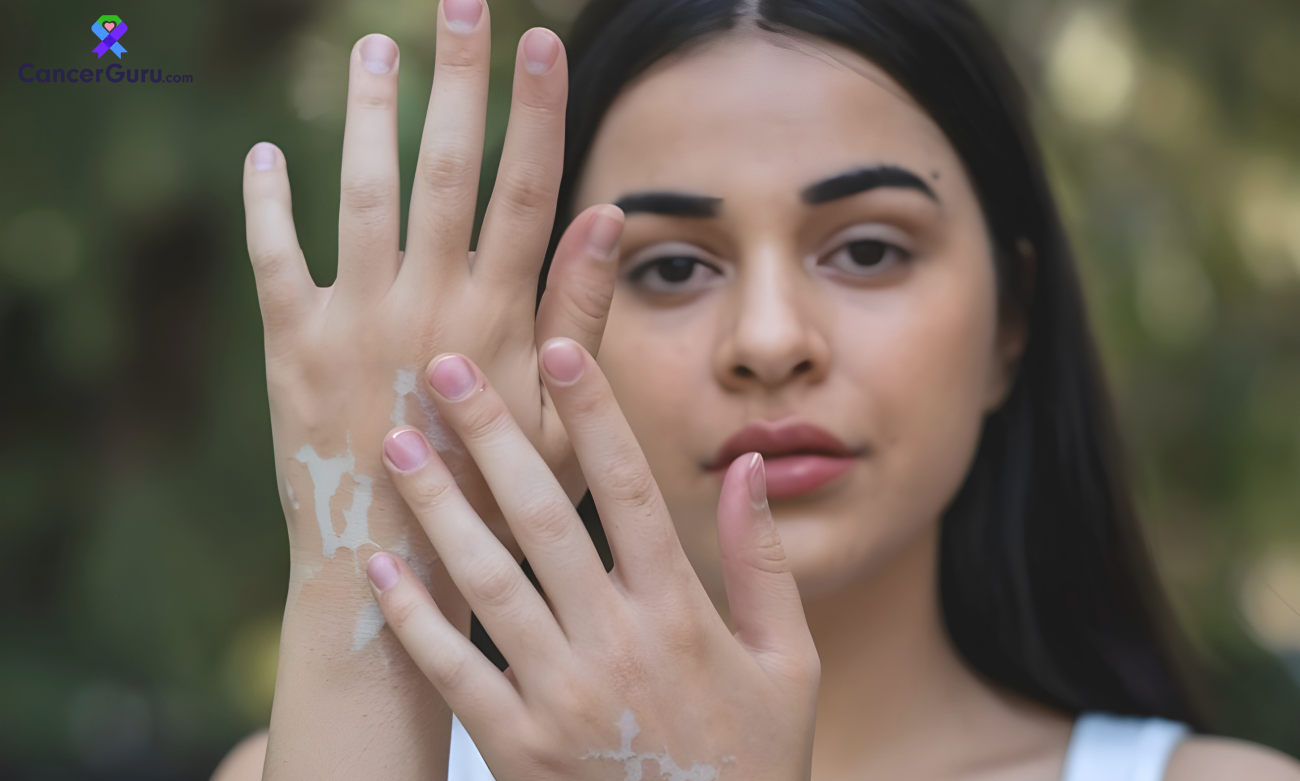
Skin cancer is the most common cancer in the U.S. Each year, doctors diagnose over 5 million cases. One in five Americans will develop skin cancer by age 70. Summer means more exposure to ultraviolet (UV) radiation, the number one environmental cause of skin cancer.
Most skin cancers are caused by exposure to UV rays, so a handful of daily habits can reduce your risk when UV levels are at their highest. In this guide, we’ll cover the melanoma warning signs to look for, the prevention habits, and the sunscreen facts you need to know to stay protected.
Quick facts: Apply a broad-spectrum sunscreen with an SPF of 30 or higher daily. Reapply every 2 hours. Avoid the sun between 10 a.m. and 2 p.m. and seek shade. Avoid tanning beds. Examine your skin once a month, and if you notice any mole that changes in size, shape, or color, visit a dermatologist.
Why Summer Sun Raises Your Skin Cancer Risk
UV radiation reaches your skin in two ways. Most sunburns are caused by UVB rays, which burn outer layers. UV rays penetrate deeper, break down collagen, and are responsible for premature aging. Both types of damage to DNA in skin cells and the repeated damage lead to the mutations that form the basis of skin cancer.
This risk is increased in summer for good reasons. The sun is higher in the sky, so the UV rays have a shorter path through the atmosphere and hit you with more intensity. People are outside more hours, in less clothes, sweating off or swimming off their sunscreen. UV bounces off reflective surfaces such as water, sand, and concrete.
The damage takes a lifetime to build up. Getting five or more sunburns doubles your risk for melanoma, according to the Skin Cancer Foundation. The more sunburns you have, the higher the risk. And every summer day you protect your skin helps reduce the cumulative load it bears.
The Three Main Types of Skin Cancer
Doctors group most skin cancers into three types.
Basal cell carcinoma is the most common and least likely to spread.
Squamous cell carcinoma grows faster and is more likely to spread if left untreated.
Melanoma is the least common of the three, but the most dangerous, because if left untreated, melanoma spreads to other organs.
Basal cell and squamous cell carcinomas are often seen as a new bump, a scaly area, or a sore that does not heal. Each type is rooted in UV damage, and each responds best to early treatment. Knowing the difference helps you tell your doctor about changes and act on them faster.
Skin Cancer Prevention: Daily Habits with Real Impact
There is nothing complicated about prevention. Five habits that protect your skin every day. Each one reduces your UV exposure.
Wear Broad-Spectrum SPF 30 or Higher Every Day
Put on a broad-spectrum, water-resistant sunscreen with an SPF of 30 or more, covering all skin that isn’t covered by clothing. Broad spectrum means the product blocks both UVA and UVB rays. SPF 30 blocks about 97% of UVB, and SPF 50 blocks about 98%.
Use as much as needed. It takes about an ounce, the amount in a shot of glass, to cover the entire body of an adult. Most consumers use less than half the recommended dosage and receive far less protection than advertised on the label. Apply sunscreen 15 to 30 minutes before going outdoors. Reapply every 2 hours and after swimming, sweating, or towel drying.
The risk decreases over time as you use it more each day. A randomized trial in Australia found that daily sunscreen users had about a 50% lower incidence of melanoma than occasional users.
Seek Shade During Peak UV Hours
The strongest UV rays are from 10 a.m. to 2 p.m. A simple test: If your shadow looks shorter than your height, the sun is strong enough to burn you, so move into shade. Trees, umbrellas, and covered areas reduce direct exposure to the sun. Shade does not block reflected or scattered UV, so wear your sunscreen underneath.
Cover Up with Clothing, Hats, and Sunglasses
Fabric blocks UV better than most sunscreens. Wear long-sleeved shirts, long pants, and a wide-brimmed hat to shade the face, ears, and neck. Pick sunglasses that block UV to protect your eyes and the delicate skin around them. For more protection, seek out clothing with a UPF (ultraviolet protection factor) label, which indicates how much UV the fabric blocks.
Skip Tanning Beds
Tanning beds expose your skin directly to intense UV radiation. According to The Skin Cancer Foundation, using a tanning bed before age 35 increases your risk of melanoma by 75%. A bed tan is not a safe tan. A tan is a sign that your skin has already suffered DNA damage.
Check Your Skin and See a Dermatologist
Do a monthly skin check from head toe. Use a mirror for hard-to-see spots like your back, scalp, and foot soles. Watch for new growths or moles that change in size, shape, or color. Get a yearly skin exam from a board-certified dermatologist and see one sooner if you notice anything unusual. Early detection is important: The five-year survival rate for melanoma found at a localized stage is about 99%.
Melanoma Warning Signs: When a Mole Should Concern You
Melanoma is the most lethal of common skin cancer. Estimates in the United States project 234,680 new cases of melanoma in 2026, with an estimated 8,510 deaths. Melanoma, when caught in time, is well treated. Knowing what to look for means you can act fast.
The ABCDE Rule
Dermatologists use five letters to flag suspicious moles:
Asymmetry: One side of the mole does not match the other side.
Border: Edges ragged, notched, scalloped, or blurred.
Color: The mole is uneven in color. A mixture of brown, black, and tan, and sometimes red, white, or blue.
Diameter: The spot is larger than 6 millimeters, about the size of a pencil eraser, though some melanomas are smaller when first discovered.
Evolving: The mole looks different in size, shape, or color, or it starts to itch, crust, or bleed.
The Ugly Duckling Sign
Most of your moles look the same. Melanomas usually don’t look like the rest. See a dermatologist if you have a mole that is unusual for you in color, size, or shape. A place that looks wrong is worth looking at twice.
When to See a Dermatologist
Book an appointment if you notice any of these:
A new growth or a different-looking spot than your other moles
A sore that does not heal within three or four weeks
A mole that resembles any of the ABCDE signs.
Spot that bleeds, itches, crusts, or tender.
Dark streak under a fingernail or toenail that is not caused by recent trauma
A dermatologist looks at the spot and takes a small sample for biopsy if needed. Most flagged spots turn out to be harmless, and checking reassures you.
Sunscreen Myths Raising Your Skin Cancer Risk
Misinformation about sunscreen travels fast on the internet. If you believe in the wrong claims, you leave yourself wide open. Here are some common myths and the facts behind them.
Myth: A Higher SPF Means You Skip Reapplication
Sunscreen doesn't last all day. Sunscreen rubs off with sweat, water, and friction. SPF 30 will block about 97% of UVB, and SPF 50 about 98%, not much difference. Whatever SPF you decide on, reapply every two hours and after swimming or sweating.
Myth: Makeup With SPF Protects You Enough
A foundation or moisturizer with SPF helps, but the SPF in makeup usually is 5 to 15, less than the SPF 30 recommended by dermatologists. It is also used as a thin layer for cosmetics, far less than that required for sun protection. Wear a separate sunscreen under your makeup.
Myth: You Only Need Sunscreen on Sunny Days
Clouds and windows give a false feeling of security. Clouds can block less than 20% of UVA rays, and glass can block less than 50% of UVA rays. You get a UV when you’re in the car, beside a window, or walking on a cloudy day. Apply sunscreen every day, regardless of the weather forecast.
Myth: Sunscreen Blocks Your Vitamin D
Use of sunscreen has a small effect on the production of vitamin D. Most people get enough from brief, incidental sun exposure and from foods such as fatty fish and fortified dairy. Worried about deficiency? Talk to your doctor about a supplement, not skipping protection.
Myth: People With Darker Skin Do Not Need Sunscreen
No matter what your skin tone is, everyone is at risk of UV damage and skin cancer. Melanin does provide some protection, but it is not enough to prevent cancer. People with darker skin are frequently diagnosed with skin cancer later, which decreases survival. Daily sunscreen for everyone.
Myth: A Base Tan Protects You
A tan doesn't protect you from future damage; it's a sign of damage your skin has already taken on. A base tan, inside or out, adds DNA damage, not protects against damage. Tanning from UV exposure is never safe.
Myth: Expired Sunscreen Still Works
The FDA requires sunscreen to remain in full strength for three years. After the expiry date, the active ingredients degrade, and the protection decreases. Check the date and discard any bottle that has changed color, smell, or texture.
Your Simple Sun-Safe Summer Routine
Develop these habits into a routine you can follow on autopilot:
Morning: Apply broad-spectrum SPF 30 or higher to your face, neck, ears, hands, and any exposed skin.
Before heading out: Throw on a wide-brimmed hat and UV-blocking sunglasses. Don’t forget your sunscreen for the day.
Midday: Seek shade between 10 a.m. and 2 p.m., if possible. Use sunscreen every 2 hours.
After swimming or sweating: Reapply right away, even with water-resistant products.
Monthly: Head-to-toe skin check. See a dermatologist at least once a year, sooner if something doesn't seem right.
Every morning, take five minutes to protect your skin and reduce your lifetime skin cancer risk.
Frequently Asked Questions
What SPF should you use in summer?
Use a broad-spectrum sunscreen with SPF 30 or higher for daily wear. For a full day outdoors, choose SPF 50 or higher and water-resistant.
How often should you reapply sunscreen?
Reapply every two hours, and right after swimming, sweating, or toweling off.
What does a dangerous mole look like?
Watch for asymmetry, ragged borders, uneven color, a diameter over 6 millimeters, or any change in size, shape, or texture. Show any suspicious mole to a dermatologist.
Does sunscreen prevent skin cancer?
Yes. More than 80% of UVA rays pass through clouds, so apply sunscreen every day.
Will sunscreen cause vitamin D deficiency?
For most people, no. Typical sunscreen uses lowers vitamin D production by a small amount, and incidental sun plus diet keeps levels healthy.
When should you see a dermatologist about a mole?
See a dermatologist for any new growth, a sore failing to heal in three to four weeks, a mole matching the ABCDE warning signs, or a spot bleeding or itching.
Protect Your Skin Starting Today
Skin cancer is the most common cancer in the country, and UV exposure is responsible for the vast majority of cases. In this guide, habits such as daily sunscreen, smart shade, protective clothing, no tanning beds, and monthly skin checks reduce your risk and help detect problems early. Begin this summer and continue throughout the year, and your skin will sustain less damage for the rest of your life. If you’re worried about a mole, see a dermatologist rather than waiting.
Note: This article shares general information and does not replace medical advice. Talk to a board-certified dermatologist about your personal risk and any changes to your skin.
Image Credit: graphixmash at FreePik
Recent Posts
-
Cancer Awareness Resources: Types, Symptoms, Screening & Support
October 6, 2026 -

Nutrition During Cancer Therapy: What to Eat for Strength and Recovery
September 30, 2026 -
Ovarian Cancer Symptoms Women Often Miss
September 23, 2026 -
Leukemia vs. Lymphoma: Key Differences Explained
September 14, 2026 -

Signs and Symptoms of Childhood Cancer Parents Shouldn’t Ignore
September 8, 2026 -

Returning to Work After Cancer Treatment
September 3, 2026 -

Genetic Testing to Understand Your Family History
August 27, 2026 -

Talking to Children About a Parent’s Cancer Diagnosis
August 19, 2026 -

Managing Appetite Loss & Taste Changes During Cancer Treatment
August 14, 2026