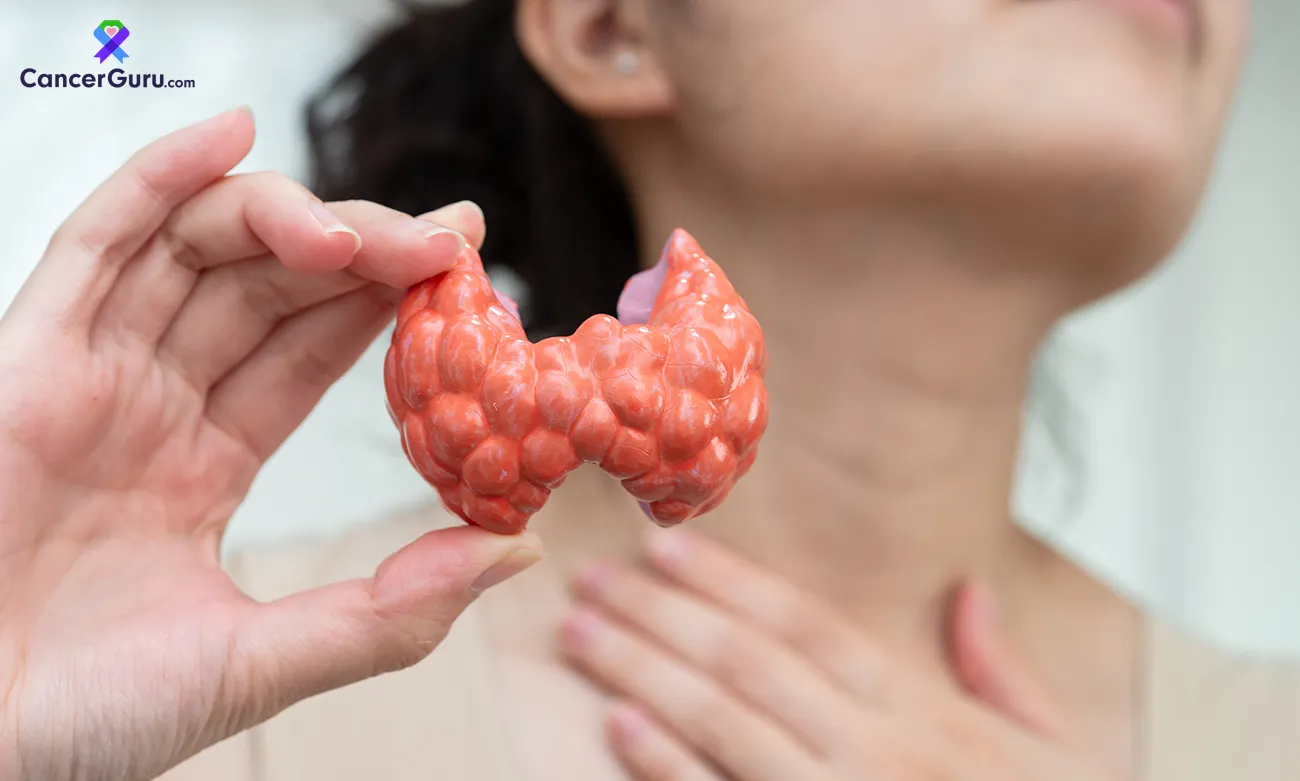
The Guide to Screenings and Prevention for Women
May 15, 2026
Cancer is one of those words nobody wants to hear but pretending it doesn’t exist won’t make us any safer. The truth is that some cancers carry special risks for women that men don’t have to concern themselves with, and the sooner we start paying attention, the better our chances of catching something before it turns into a serious problem.
In this guide, we’ll walk you through the screenings you should know about, the differences between two of the most common cancers among women, the daily habits that move the needle, and why catching cancer early can quite literally save your life.
Cancer Screening Tests Every Woman Should Do by Age
Understanding what tests you need and when can feel like reading a manual in a language you barely speak. But when you break it down by age, it gets a lot less scary and honestly, a lot more doable for your regular checkup routine.
In Your 20s: Building Your Baseline
In your 20s, enter into a relationship with a physician you trust, even if you feel perfectly healthy. Pap smears start at age 21 and are recommended every three years if your results are normal. It’s a quick screening done during a routine gynecologist visit to check for abnormal cells on your cervix that could develop into cancer later.
You should also begin monthly self-breast exams so that you can get used to the way your breasts normally feel. Then you'll know if anything has changed, such as a new lump or odd thickening, and you'll know how to bring it up to your doctor immediately.
In Your 30s: Adding More Layers
Turning 30 means your list of screenings will be a bit longer, which is a good thing. Now you can have Pap smears combined with an HPV test, and if both are clean, you can extend the time between them to five years. Women in their 30s with a strong family history of breast cancer may need to begin mammograms earlier than the general recommendation.
If you have a family history of breast cancer or ovarian cancer, talk to your doctor about genetic counseling. A test for mutations in the BRCA1 and BRCA2 genes can give you a much better idea of your personal risk.
In Your 40s: The Mammogram Era Begins
For most women, routine mammograms begin at some point between the ages of 40 and 50, based on the guidelines your doctor follows and your individual risk profile. A mammogram is a low-dose X-ray that can detect tiny lumps or changes in breast tissue long before you would ever feel them with your hands. It may not be the best ten minutes of your year, but every second is worth it.
Make sure you stay ahead of your Pap smears and HPV tests and start asking your doctor about skin cancer screenings too, especially if you were a sunworshipper in your youth with little protection.
In Your 50s and Beyond: Casting a Wider Net
Colorectal cancer screening becomes a consideration once you’re 50, and most experts now recommend starting at age 45. There are options here, from a colonoscopy every ten years to less invasive stool-based tests done annually or biennially. You may also be recommended for lung cancer screening if you have a history of heavy smoking.
Bone density tests usually begin at menopause, and although osteoporosis isn’t a form of cancer, it’s certainly part of aging well. Keep up with your mammograms, and don’t slack on your Pap smears until your doctor says it’s okay to stop, which is usually around age 65 if your past results have been normal.
Breast Cancer vs Cervical Cancer: Symptoms & Differences
These two cancers get a lot of attention in women's health conversations, and for good reason, but they're quite different in how they show up, how they're caused, and how we screen for them. Understanding the difference helps you know what signs to watch for your own body.
What Breast Cancer Looks Like
Breast cancer starts in the cells of the breast tissue, and it can affect the milk ducts, the lobules that produce milk, or other parts of the breast. The most common warning sign is a new lump or mass that feels different from the rest of your breast tissue, and these lumps are often hard, painless, and have uneven edges.
But lumps aren't the only thing to watch for. You should also pay attention to swelling in part of the breast, skin irritation or dimpling that looks like an orange peel, redness or flaking around the nipple area, nipple discharge that isn't breast milk, or any sudden change in the shape or size of one breast. Some women experience pain, but a lot of early breast cancers don't hurt at all, which is exactly why mammograms matter so much.
What Cervical Cancer Looks Like
Cervical cancer is different in a few keyways. It starts in the cells of the cervix, which is the lower part of the uterus that connects to the vagina, and it's almost always caused by long-term infection with certain types of HPV, the human papillomavirus.
Early cervical cancer usually has zero symptoms, which makes regular Pap smears even more critical for catching it. When symptoms do show up, they often include unusual vaginal bleeding between periods or after sex, watery or bloody discharge with a strong smell, pelvic pain, and pain during intercourse. Advanced cervical cancer can also cause back pain, leg swelling, and trouble urinating.
The Big Differences
The biggest difference between these two cancers comes down to cause and prevention. Cervical cancer has a known viral cause in most cases, which means the HPV vaccine can prevent most of it before it ever starts. Breast cancer doesn't have a single clear cause, though genetics, hormones, age, and lifestyle all play a role.
The screening also looks very different. Breast cancer screening relies heavily on imaging like mammograms and ultrasounds, while cervical cancer screening uses cell samples taken during a pelvic exam. Both cancers are very treatable when caught early, but the path to finding them takes different routes.
Lifestyle Habits That Help Reduce Cancer Risk in Women
Now for some good news. While you can't change your genes or your family history, a surprising amount of your cancer risk is shaped by the choices you make every single day. None of these habits guarantee anything, but stacked together, they can shift the odds in a meaningful way.
Eat Like You Actually Care About Your Body
A diet packed with vegetables, fruits, whole grains, beans, and lean proteins gives your body the nutrients it needs to repair itself and fight off rogue cells. Cut back on red meat and processed meats like bacon, sausages, and hot dogs, since these have been linked to higher rates of certain cancers, including colorectal cancer.
Sugary drinks and ultra-processed snacks should be occasional treats, not daily staples, because they contribute to weight gain and inflammation, both of which feed cancer risk. Adding more fiber to your meals helps your digestive system clean itself out and is connected to lower rates of breast and colon cancer.
Move Your Body Every Day
You don't need to become a marathon runner, but you do need to move. Aim for at least 150 minutes of moderate activity each week, like brisk walking, swimming, dancing, or cycling, and add some strength training a couple of times a week. Regular movement helps regulate hormones, controls weight and reduces inflammation throughout your body.
Sitting all day, even if you work out later, is its own risk factor, so try to stand up and stretch every hour if your job keeps you at a desk.
Watch Your Weight, Especially After Menopause
Carrying extra weight, particularly after menopause, raises your risk for several cancers, including breast, uterine, ovarian, and colorectal cancers. Fat tissue produces estrogen, and higher estrogen levels over time can increase the chance of hormone-driven cancers developing in the body.
You don't have to chase some impossible numbers on the scale, but keeping your weight in a healthy range for your height makes a real difference.
Cut the Alcohol and Quit the Cigarettes
Drinking alcohol raises your breast cancer risk, even at low levels, and the more you drink, the higher that risk climbs. If you drink, keeping it to one drink or less per day is a smart move, and skipping it entirely is even better.
Smoking causes lung cancer, sure, but it's also linked to cancers of the mouth, throat, bladder, cervix, kidney, and pancreas. Quitting is hard, but every year you don't smoke, your risk drops, so it's never too late to stop.
Protect Your Skin and Get Vaccinated
Wear sunscreen every day, not just at the beach, and avoid tanning beds completely, since they're directly linked to melanoma in young women. The HPV vaccine prevents the strains of the virus that cause most cervical, throat, and anal cancers, and the hepatitis B vaccine cuts down liver cancer risk.
Sleep Well and Manage Stress
Poor sleep messes with your immune system and your hormones, both of which play a role in keeping cancer cells in check. Aim for seven to nine hours a night, and find real ways to handle stress, like meditation, time in nature, or just talking to people you love.
Why Early Cancer Detection Saves Lives
Here's the thing about cancer that nobody really tells you until it's too late: time is everything. The earlier a cancer is found, the smaller and more contained it usually is, and the easier it becomes to treat with less aggressive methods. That's not just a feel-good line, it's backed by decades of survival data.
The Numbers Tell a Powerful Story
When breast cancer is caught at stage one, the five-year survival rate is close to 99 percent, but by the time it spreads to distant parts of the body, that number drops to around 30 percent. Cervical cancer has similar gaps, with early-stage survival above 90 percent, and late-stage survival often falls below 20 percent. The same pattern shows up across colorectal, ovarian, lung, and skin cancers.
Catching it early often means smaller surgeries, less chemo, fewer side effects, and a faster return to normal life.
Why Symptoms Aren't Enough
A lot of women think they'll just know if something is wrong, but early-stage cancers are usually quiet. There's no pain, no obvious lump, no dramatic warning sign. That's why screening tests exist in the first place, because they spot trouble before your body even realizes anything is off.
By the time symptoms show up, the cancer has often had time to grow, sometimes for years, and the treatment options become more limited and more intense.
Listen to Your Body Anyway
While screenings are your best defense, you should still pay attention to changes in your body. Unexplained weight loss, persistent fatigue, new lumps or bumps, changes in your skin or moles, abnormal bleeding, ongoing pain, or anything that just feels off deserves a call to your doctor. You're not being dramatic, you're being smart.
Build a Habit, Not a Panic
The best approach to cancer prevention isn't fear, it's consistency. Schedule your screenings, do yourself exams, eat well, move your body, and keep showing up for your annual checkups. Treat your health like a long-term project, not an emergency room visit.
Cancer doesn't have to be the end of the story, and for so many women, it isn't. The combination of regular screening, healthy daily habits, and acting fast when something seems wrong gives you real power over your own health. Take it seriously, but don't let it scare you into avoiding the very tests that could one day save your life.
Recent Posts
-
Cancer Awareness Resources: Types, Symptoms, Screening & Support
October 6, 2026 -

Nutrition During Cancer Therapy: What to Eat for Strength and Recovery
September 30, 2026 -
Ovarian Cancer Symptoms Women Often Miss
September 23, 2026 -
Leukemia vs. Lymphoma: Key Differences Explained
September 14, 2026 -
Signs and Symptoms of Childhood Cancer Parents Shouldn’t Ignore
September 8, 2026 -
Returning to Work After Cancer Treatment
September 3, 2026 -
Genetic Testing to Understand Your Family History
August 27, 2026 -

Talking to Children About a Parent’s Cancer Diagnosis
August 19, 2026 -

Managing Appetite Loss & Taste Changes During Cancer Treatment
August 14, 2026