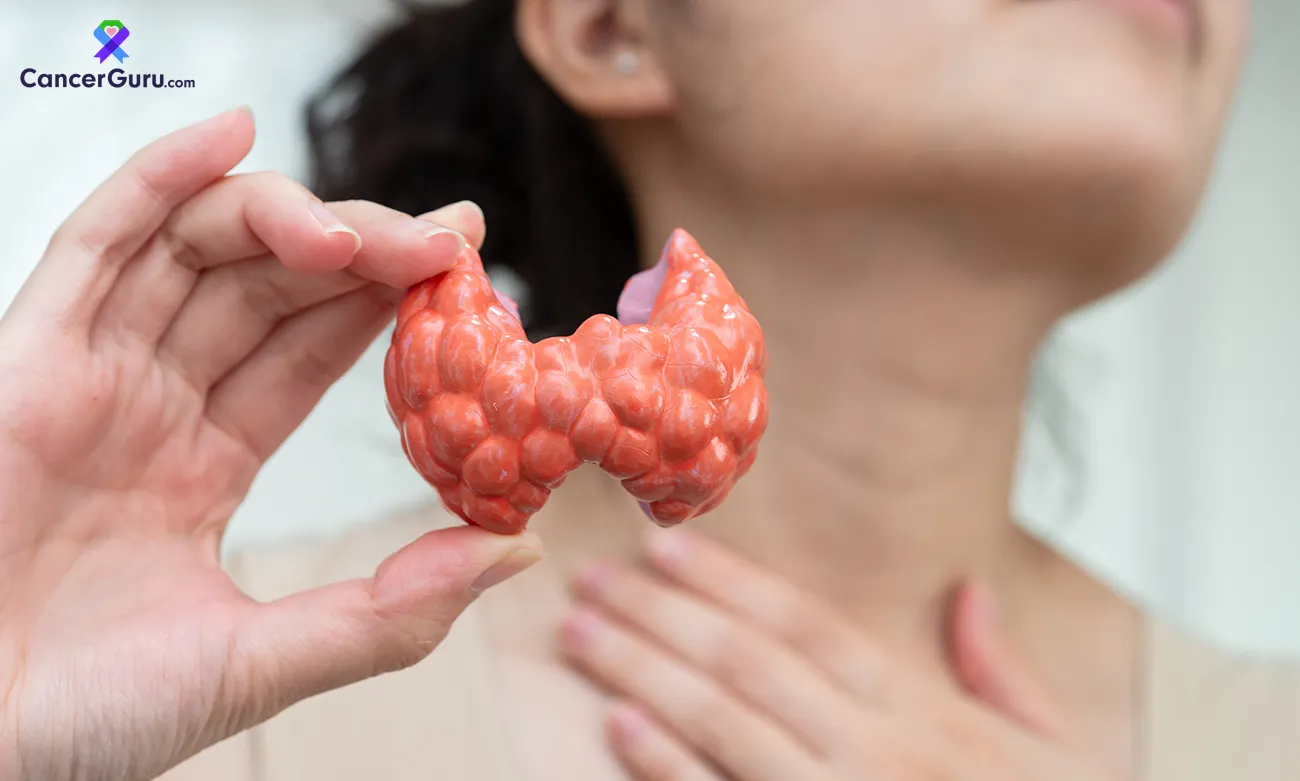
Difficulty Swallowing? It Could Be Esophageal Cancer (Warning Signs)
April 28, 2026

What are the early symptoms of esophageal cancer??
Early symptoms of esophageal cancer include difficulty swallowing, chest discomfort, persistent heartburn, unexplained weight loss, and a chronic cough. These symptoms may start mildly but worsen over time, making early medical evaluation essential for timely diagnosis and treatment.
Every April we mark Esophageal Cancer Awareness Month. It is time to talk about a part of the body many people do not think about until it hurts. Your esophagus is the hollow tube that carries food and liquid from your throat down to your stomach. It is a tough worker, but it can run into big trouble. This type of cancer is often missed in the beginning. People think they just have a bit of heartburn or a slow swallow. By the time they see a doctor, the sickness has often spread. We want to change that. Knowing the signs early can save your life.
Trouble Swallowing - Is It Cancer?
This is the question that brings most people to the doctor. The medical word for it is dysphagia. It starts small. You might notice that a piece of dry bread or a bit of steak feels like it is moving slowly. You might have to drink more water to wash it down. At first, you think you just did not chew well enough.
But then it happens again. And again. Soon you find yourself avoiding foods that are hard to chew. You switch to soups or soft things. Eventually even water might feel like it sticks in your chest. This happens because a tumor is growing inside that narrow tube. As the tumor gets bigger, the space for food gets smaller.
If you feel like food is stuck in your chest or throat, do not wait. It is one of the clearest signs of a problem. It does not always mean you have cancer. Sometimes it is just a narrowing of the tube from old scars. But you need to find out for sure. A quick check from a doctor can tell you what is going on.
Esophageal Cancer Early Symptoms You Should Know
The tricky part about this sickness is that the early signs are very quiet. Your body is good at making up for small changes. But if you pay close attention, you might catch it before it grows too much.
Unplanned Weight Loss
If you are losing weight and you are not trying to, it is a red flag. This happens for two reasons. First, trouble swallowing means you are simply eating less. Second, cancer cells use up a lot of energy from your body. If the scale is going down and you are not on a diet, you must see someone.
Chest Pain or Burning
Many people have heartburn. We call it acid reflux. But if that burning feeling stays or feels like a deep pressure in the center of your chest, it might be more than just a bad meal. Some people feel it most when they try to swallow. It can feel like a sharp poke or a dull ache.
A Cough that Stays
We all get coughs when we are sick. But a cough that lasts for weeks and does not go away is not normal. Sometimes cancer irritates the nerves around the food tube. This can make you cough or feel like you have to clear your throat all the time.
Hoarseness or Voice Changes
If your voice sounds raspy or weak for more than two weeks, it is time to check it out. The nerves that control your voice box run right next to your esophagus. A tumor can press on those nerves and change how you sound.
Acid Reflux and Cancer Risk
We need to talk about heartburn. Most of us have felt that sour taste or burning in the throat after a big pizza. For most people, it is just a small pain. But for some, it happens every day. This is called GERD.
When stomach acid splashes into your food tube, it burns the lining. Over many years your body tries to fix this by changing the cells in the tube. They try to become more like stomach cells to handle the acid. This change is called Barrett’s esophagus.
Having Barrett’s esophagus does not mean you have cancer today. But it means you are at a much higher risk for it later. It is a pre-cancerous state. If you have had bad reflux for years, you should ask your doctor about a scope. They can look inside and see if your cells are changing. Catching these changes early means they can fix them before they ever turn into a tumor.
Esophageal Cancer Risk Factors
Not everyone gets this sickness for the same reason. There are things you can change and things you cannot. Knowing where you stand helps you stay ahead of the game.
| Risk Factor | What you should know |
|---|---|
| Tobacco use | Smoking or chewing tobacco is a major risk and damages cells. |
| Alcohol use | Heavy alcohol use can damage the lining of the esophagus. |
| Acid reflux (GERD) | Long-term acid reflux is a key risk factor, especially for the lower esophagus. |
| Obesity | Excess weight increases stomach pressure and worsens reflux. |
| Poor diet | Low intake of fruits and vegetables may weaken the esophagus. |
| Age | Most cases are diagnosed in people over 55. |
| Gender | Men are more likely to develop esophageal cancer than women. |
| Previous radiation | Radiation to the chest for other cancers can increase risk. |
The Two Main Types of Esophageal Cancer
It helps to know that there are two main ways this cancer shows up. They happen in different parts of the tube and for different reasons.
The first is Squamous Cell Carcinoma. This usually happens in the top or middle of the esophagus. It used to be the most common type. It is linked very closely to smoking and drinking. The cells that line at the top of the tube are flat like fish scales. When they get hit by smoke or booze, they can turn cancer.
The second is Adenocarcinoma. This is now the most common type in places like the US. It happens at the bottom of the tube near the stomach. This type is almost always linked to acid reflux and Barrett’s esophagus. Since more people are dealing with obesity and GERD, this type of cancer is on the rise.
Esophageal Cancer Diagnosis Tests
If you go to the doctor with trouble swallowing, they will run some tests. Do not be scared. These tests are the best way to get a clear look.
Endoscopy
This is the most common test. The doctor gives you some medicine to make you sleepy. Then they put a thin flexible tube with a camera down your throat. They can see the walls of the esophagus on a screen. If they see something that looks weird, they can take a tiny piece of it. This is called a biopsy. They send that piece to a lab to see if there are cancer cells.
Barium Swallow
In this test, you drink a thick white liquid that looks like a milkshake. It is called barium. Then the doctor takes X rays while you swallow. The barium coats the inside of your tube and shows any bumps or narrow spots on the X ray.
CT Scans
If cancer is found, the doctor will want to see if it has moved to other parts of the body. A CT scan takes a lot of pictures and puts them together to show a full view of your chest and belly.
PET Scan
This test uses a special kind of sugar that glows on a camera. Cancer cells eat sugar very fast, so they light up. It helps the doctors find where the cancer is hiding.
When to See a Doctor
You know your body better than anyone else. If something feels off for more than a couple of weeks, do not brush it off. It is easy to say it is just stress or bad food. But your health is too big of a deal to guess.
You should make an appointment if:
- You have trouble swallowing even just once in a while.
- You feel like food is stuck in your chest.
- You have heartburn that happens more than twice a week.
- You have a cough or a raspy voice that will not go away.
- You are losing weight without reason.
- You have pain in your breastbone.
It is better to go and find out it is nothing than to wait until it is a big problem.
Living With the Risk
If you know you have risk factors like long term reflux or a history of smoking, you can take steps now. Quitting smoking is the biggest gift you can give your esophagus. Eating more greens and keeping a healthy weight helps too.
If you have GERD, talk to your doctor about how to manage the acid. Sometimes medicine is enough. Other times you might need a simple procedure to stop the acid from splashing up.
Why Awareness Month Matters
Esophageal cancer does not get as much news as other types. Because of this many people do not know the signs. April is our chance to spread the word. We want people to know that trouble swallowing is a sign that needs a doctor right away.
By talking about it we can catch more cases early. Early catch means more ways to treat it and a better chance to win. Share this info with your friends and family. You never know who might be sitting at home wondering why their dinner feels stuck.
A Final Thought on Your Health
The esophagus is a simple tube, but it has a big job. Take care of it. Watch the signs. If you have been ignoring a burn in your chest or a slow swallow, let this be your nudge. Go get checked. Your future self will thank you for being brave and taking action today.
Cancer is a hard word to hear. But knowledge is power. When you know what to look for, you are no longer in the dark. You can face it head on with the help of your medical team. Stay aware, stay vocal, and keep an eye on those symptoms. Your health is the most valuable thing you have.
Image Credit: stefamerpik at FreePik
Recent Posts
-
Cancer Awareness Resources: Types, Symptoms, Screening & Support
October 6, 2026 -

Nutrition During Cancer Therapy: What to Eat for Strength and Recovery
September 30, 2026 -
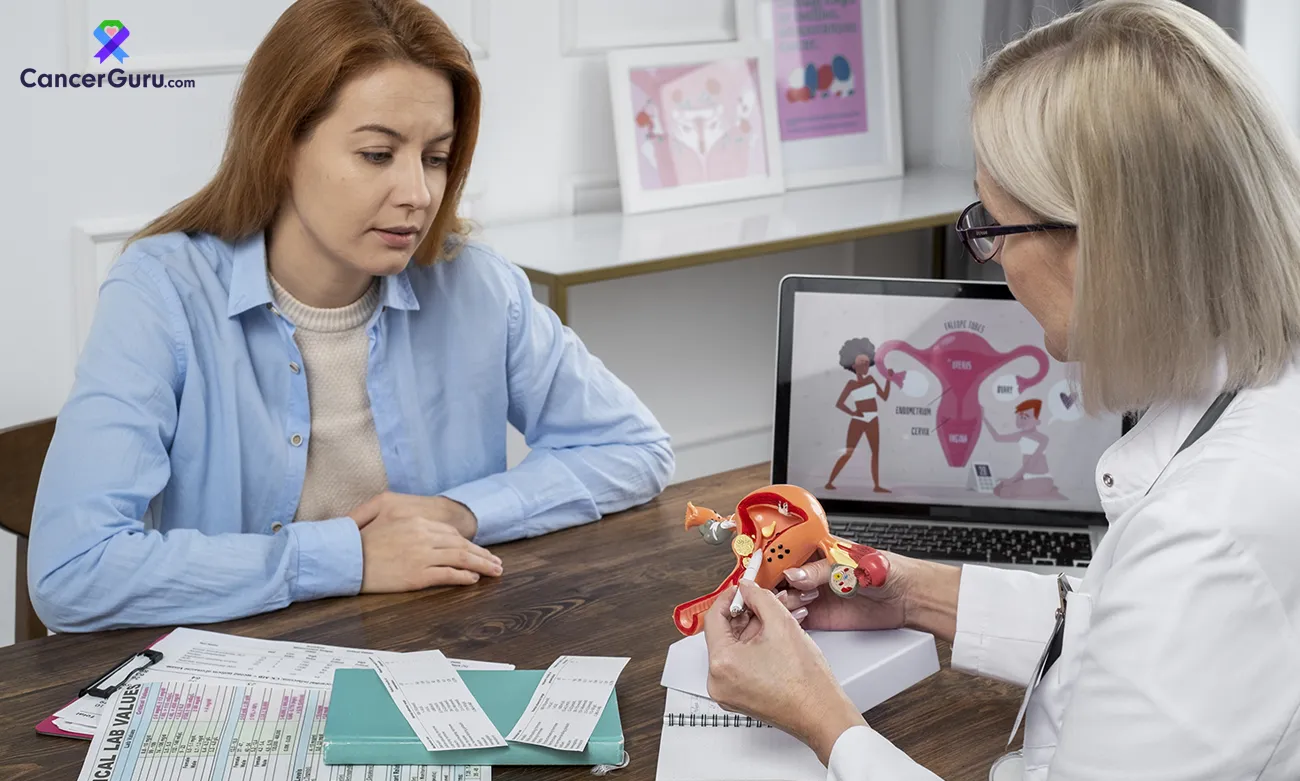
Ovarian Cancer Symptoms Women Often Miss
September 23, 2026 -
Leukemia vs. Lymphoma: Key Differences Explained
September 14, 2026 -

Signs and Symptoms of Childhood Cancer Parents Shouldn’t Ignore
September 8, 2026 -

Returning to Work After Cancer Treatment
September 3, 2026 -

Genetic Testing to Understand Your Family History
August 27, 2026 -

Talking to Children About a Parent’s Cancer Diagnosis
August 19, 2026 -

Managing Appetite Loss & Taste Changes During Cancer Treatment
August 14, 2026