What Happens When You Quit Smoking? A Recovery Guide for World No Tobacco Day
May 29, 2026
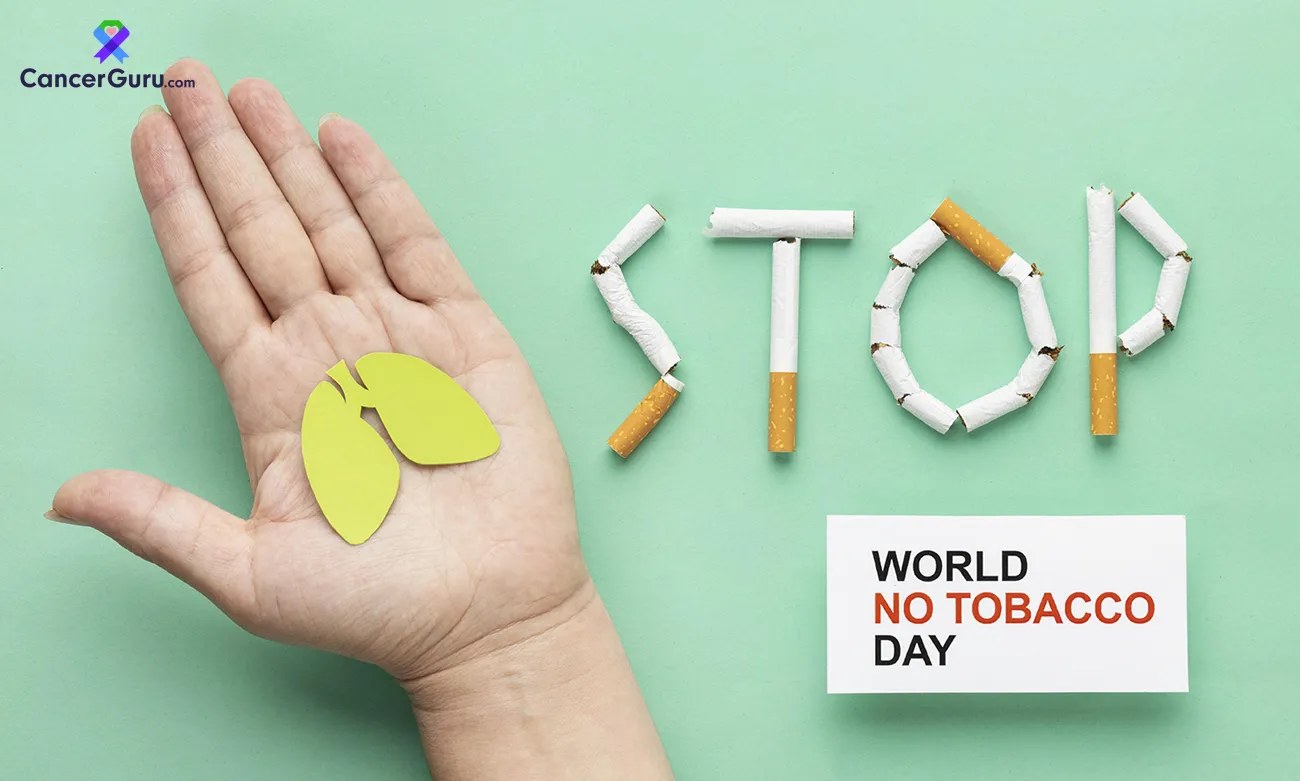
World No Tobacco Day is celebrated annually on 31st May. This day was created by the World Health Organization in 1987 to create awareness of the damage done to health, families, and the planet by tobacco. Tobacco kills more than 8 million people a year, and most of these deaths are preventable.
The theme for World No Tobacco Day 2026 is “Unmasking the appeal: countering nicotine and tobacco addiction”. This year's campaign is drawing attention to how tobacco and nicotine companies are repackaging their products to attract young people, using fruit flavors, slick devices, and clever marketing. The WHO reports that at least 40 million children between the ages of 13 and 15 now use some form of tobacco.
If you smoke, you hold the ability to change your health starting today. This guide walks you through what happens when you quit, how your cancer risk drops over time, the benefits you gain right away, and natural ways to stop for good.
What World No Tobacco Day Means
On World No Tobacco Day, governments, doctors, schools, and communities unite for one reason: a tobacco and nicotine-free future. On this day, the WHO coordinates campaigns in over 150 countries. Hospitals hold free quit smoking camps and oral cancer screenings. Schools teach young people about the dangers of new nicotine products.
The 2026 theme is about the way the industry hides the danger of its products. E-cigarettes come in hundreds of candy and fruit flavors. Nicotine pouches are discreet and clean. Companies market synthetic nicotine devices as technology, not tobacco. These tactics are addicting to a new generation. World No Tobacco Day asks you to look behind the marketing and protect your health and the health of the children around you.
The damage from tobacco goes far beyond the smoker. Tobacco damages nearly every part of your body and causes heart disease, stroke, lung disease, and many cancers. Secondhand smoke is dangerous to the people you love, and the smell of smoke left on clothes and furniture, known as third-hand smoke, remains in your home. Quitting is a way to take care of your own health and the air your family breathes.
What Happens When You Quit Smoking?
Almost immediately after you put out your last cigarette, your body begins to heal. Here’s what happens over time, according to data from the Centers for Disease Control and Prevention and the U.S. Surgeon General:
Within 20 minutes: Your blood pressure and heart rate drop to normal range.
Within 12 Hours: Your blood carbon monoxide level returns to normal, so more oxygen reaches your organs.
24-48 Hours: Your risk of having a heart attack will start to go down. Your sense of taste and smell becomes more acute. Nerve endings start to regrow.
2 weeks to 3 months: Your blood flow improves, and your lungs perform better. Walking and climbing the stairs is easier.
1 to 9 Months: Decrease in coughing and shortness of breath. Your lungs can grow tiny hair-like structures called cilia that sweep out mucus and lower your risk of infection.
1 Year: Your risk of coronary heart disease is about half that of a smoker.
5 Years: Your risk of mouth, throat, oesophagus, and bladder cancer is halved. Your risk of a stroke is the same as that of a non-smoker.
10 Years: Your risk of dying from lung cancer is about half that of a person who continues to smoke. There is also a lower risk of cancer of the larynx and pancreas.
15 Years: Your risk of coronary heart disease is the same as a non-smoker's.
How Quitting Tobacco Reduces Your Cancer Risk Over Time
Tobacco smoke contains more than 70 cancer-causing chemicals. Smoking a cigarette harms the cells that line the mouth, throat, lungs, and bladder. The more someone smokes, the more damage this causes. The good news is that once you stop, your cells begin to repair.
Smoking is responsible for 80 to 90 percent of lung cancer deaths, according to the CDC. When you stop smoking, your lung cells begin to heal and reduce damage. If you smoke for 10 years and then quit, your risk of dying of lung cancer is about half that of a continuing smoker.
Your risk of cancer decreases throughout your body, not just in your lungs. Five years after your last cigarette, your risk of cancer of the mouth, throat, oesophagus, and bladder is cut by half. If you quit before you're 40, your risk of dying from a smoking-related disease is cut by about 90 percent, research in the New England Journal of Medicine found. Even those who leave work at age 60 live longer.
Even if you have cancer, quitting helps. Patients who stop smoking after being diagnosed with cancer have a better chance of treatment and a lower risk of cancer coming back.
The benefit of age does not stop. A 30-year-old smoker who quits gains the most years, but a 50- or 60-year-old still cuts the risk of heart disease, stroke, and several cancers. The longer you stay smoke-free, the better it is for your body.
10 Health Benefits of Stopping Smoking Today
You feel the rewards of quitting day one, and they grow with each smoke-free week.
You can breathe easily: Within weeks, your lungs clear mucus and take in more oxygen, making daily tasks feel lighter.
Your heart gets stronger: Within 20 minutes, your heart rate and blood pressure drop. Within a day, your risk of having a heart attack drops.
Your senses return: nerve endings are healed, and your sense of taste and smell improve within 48 hours, so food tastes better.
Your money is saved: The daily pack habit takes away a large chunk of your income. That adds up to hundreds or thousands over a year, depending on local prices, and quitting frees up money for your family.
Your skin looks healthier: Better blood flow delivers more oxygen to your skin, helping to fight wrinkles and dullness.
You reduce your risk of infection: Healthy lungs are much better at fighting off colds, flu, and pneumonia than damaged ones.
Your fertility is better: Men and women both have a better chance of conceiving and having a healthier pregnancy if they quit.
Your gums and teeth heal: You are less likely to get gum disease and lose your teeth, and stained teeth start to fade.
You protect your family: It hurts kids and partners with secondhand smoke. Stopping helps clear the air in your home and vehicle.
You live longer: People who quit smoking by age 40 live about 9 years longer than those who continue to smoke.
Best Ways to Quit Smoking Naturally
You don’t have to quit medicine all the time. Many people stop smoking with natural methods and steady habits. The best approaches are where you mix a few of them.
Choose a quit date
Select a day in the next two weeks and put it on your calendar. With a date in mind, you can prepare without losing your momentum. Let the people around you know so they can expect the change.
Learn your triggers
Notice when you reach for a cigarette. Is it your morning coffee? Stress? Social events? Write them down and plan a different action for each. Instead, drink water, chew gum, or take a short walk.
Use the 4 Ds for cravings
Cravings usually last for 3 to 5 minutes. Hit, delay, drink water, distract yourself, take deep breaths. Every craving you have makes the next one weaker.
Shake your body
Exercise improves your mood and reduces cravings. A 10-minute walk kills the urge to smoke and burns off nervous energy. Regular activity also helps you not to gain weight when you quit.
Eat foods to fight the cravings
Some foods make cigarettes taste worse. Milk, fruit, and vegetables. Try snacking on carrots, nuts, or sunflower seeds to keep your hands and mouth busy.
Drink more H2O
Water flushes out the nicotine faster and helps with cravings. Carry a bottle with you all day long and take sips from it whenever you feel like it.
Deep breathing and meditation
Slow breathing calms your nervous system and reduces your stress, a common smoking trigger. Take five minutes a day to breathe slowly through your nose and out through your mouth.
Lean on support
Tell your family and friends about your plans. A free Quitline, such as a national tobacco helpline, gives you advice and encouragement. People who get support quit at higher rates than people who try alone.
How to Stay Smoke-Free
The first few weeks take the most out of you. Withdrawal symptoms such as irritability, restlessness, and cravings peak in the first week and taper off in two to four weeks. That knowledge will help you get through hard days.
Stay away from your old smoking places for now. Throw away ashtrays, lighters, and leftover cigarettes. Use the money you save to reward yourself with something nice, like a meal or a small treat every week you don’t smoke. If you fall and smoke a cigarette, do not despair. View the slip as a learning experience, pinpoint the trigger, and get back on track the very same day. One cigarette doesn’t undo your progress.
Common Questions About Quitting Smoking
How long does nicotine stay in your body after quitting?
Nicotine is out of your bloodstream in one to three days. The by-product, cotinine, is eliminated in about four days. Cravings are a matter of habit and brain chemistry, and they get easier in a few weeks.
Will I gain weight after I quit smoking?
Some people gain a few pounds because they feel hungrier and their metabolism slows down a bit. Regular walking, drinking lots of water, and eating healthy snacks will help keep the weight gain as low as possible. The health benefit of quitting is far greater than a few extra pounds.
Should you quit all at once or cut down slowly?
Both ways work. Studies show many people do best if they stop all at once and get support, often referred to as quitting cold turkey. Some people like to cut down first. Select the path you are prepared to walk.
Does vaping help you quit smoking?
Vaping is a way for some adults to get off cigarettes, but e-cigarettes still have nicotine and their own risks. The theme of World No Tobacco Day 2026 highlights the allure of these products, particularly for young people. The best outcome is stopping all nicotine.
Start Your Smoke-Free Life This World No Tobacco Day
World No Tobacco Day is the perfect reason to do something. 20 minutes after your last cigarette, your body begins to heal. Your risk of cancer decreases every year, and you get back your breath, your senses, and your money. The theme, Unmasking the Appeal, is a reminder to see through marketing and choose your health.
You don’t have to wait for the perfect time. Set a date to quit, tell someone you trust, and take that first step today. Refuse a cigarette, and you add time to your life and strength to your body.
Recent Posts
-
Cancer Awareness Resources: Types, Symptoms, Screening & Support
October 6, 2026 -

Nutrition During Cancer Therapy: What to Eat for Strength and Recovery
September 30, 2026 -
Ovarian Cancer Symptoms Women Often Miss
September 23, 2026 -
Leukemia vs. Lymphoma: Key Differences Explained
September 14, 2026 -
Signs and Symptoms of Childhood Cancer Parents Shouldn’t Ignore
September 8, 2026 -
Returning to Work After Cancer Treatment
September 3, 2026 -
Genetic Testing to Understand Your Family History
August 27, 2026 -

Talking to Children About a Parent’s Cancer Diagnosis
August 19, 2026 -

Managing Appetite Loss & Taste Changes During Cancer Treatment
August 14, 2026