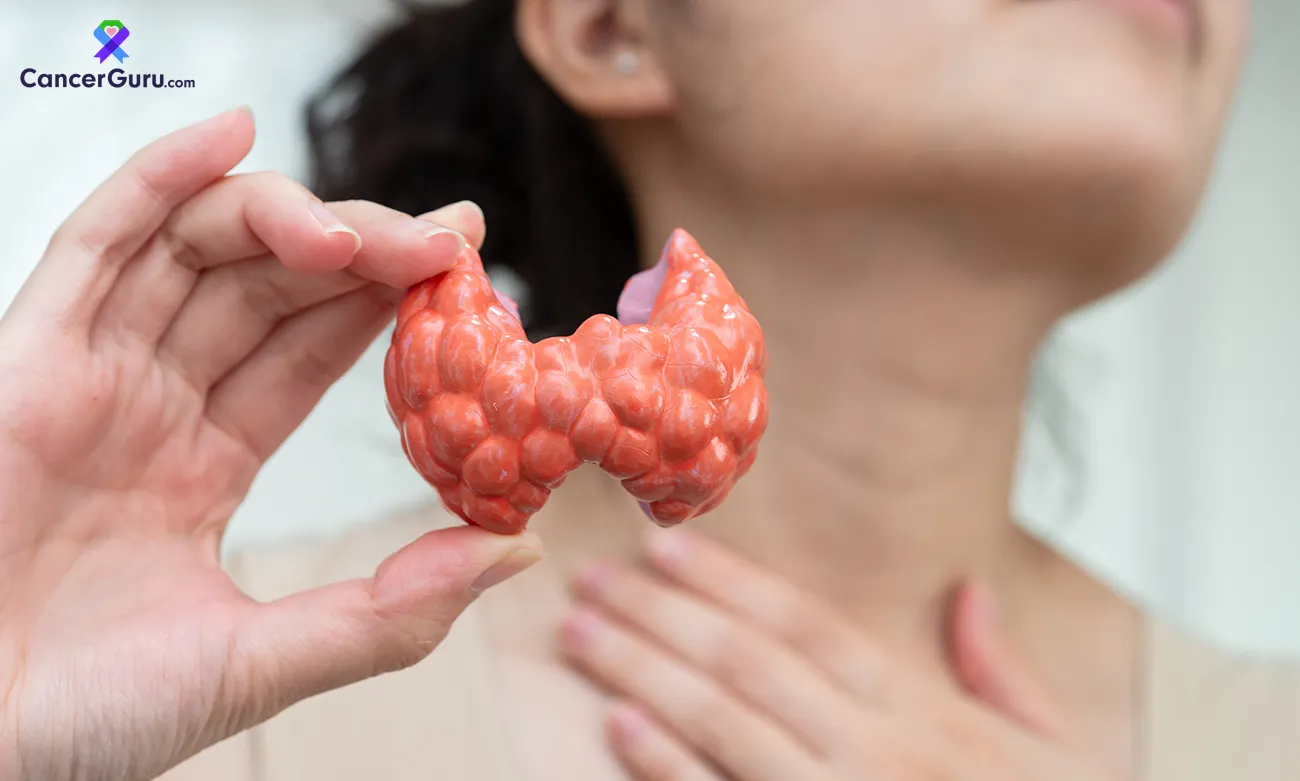
Life After Cancer: A Survivor’s Guide to Long-Term Health and Wellness
June 5, 2026

When your oncologist says treatment is finished, you might expect to feel only relief. For most people, though, that moment brings something more complicated — a mix of gratitude, fear, and a quiet sense of being lost. The appointments that structured your weeks disappear. Your medical team steps back. Nobody handed you a roadmap for what comes next.
That next chapter has a name: survivorship. And on Sunday, June 7, 2026, the world marks the 39th annual National Cancer Survivors Day — a worldwide celebration of life honoring the millions who are navigating exactly this terrain.
This guide walks you through what survivorship really involves, what your body and mind may go through, and the practical steps you can take right now to protect your health for years to come.
What Is Cancer Survivorship? Stages and What to Expect
The National Cancer Institute defines a cancer survivor as anyone living with a diagnosis of cancer, from the moment of diagnosis through the rest of life. By that definition, roughly 18.6 million Americans are survivors today — a number projected to reach 22.4 million within the next decade as treatments improve and early detection becomes more widespread.
Observed on the first Sunday of June each year, National Cancer Survivors Day was first held on June 5, 1988. It was created not just to celebrate those who had finished treatment, but to draw attention to the real and ongoing challenges that survivorship brings.
Survivorship is not a single state — it moves through distinct phases:
Acute survivorship covers the period from diagnosis through the end of active treatment. This is the phase most people picture when they think of "fighting cancer."
Extended survivorship begins immediately after treatment ends and lasts through the first months of recovery. During this time, you and your care team watch closely for any signs of recurrence while your body adjusts.
Permanent survivorship takes hold years later, when the statistical risk of recurrence has declined significantly. The focus shifts from vigilance to long-term wellness and quality of life.
You may also hear the term NED — No Evidence of Disease. It means that current scans and tests detect no cancer. It does not always equal a formal "cure," but it does mean there is every reason to look forward.
Understanding which phase you are in helps you set realistic expectations for yourself and makes it easier to ask the right questions at follow-up appointments.
Life After Cancer Treatment: Physical and Emotional Side Effects
Finishing treatment is not a neat finish line. Your body has been through chemotherapy, radiation, surgery, or some combination of all three. Recovery takes time, and some effects persist longer than you might expect.
Fatigue
Fatigue is the most commonly reported lingering effect of cancer treatment. Research published in the Journal of Clinical Oncology found that up to 30 percent of survivors continue to experience significant fatigue for years after treatment ends. This is not ordinary tiredness that a good night's sleep resolves. It can feel like a heaviness that sits in your muscles and your thinking alike, and it often lifts slowly, over many months.
Counter-intuitively, rest alone is not the best approach. Gentle, consistent movement has been shown to be more effective at reducing cancer-related fatigue than bed rest.
Chemo Brain and Cognitive Changes
Many survivors notice changes in memory and concentration — forgetting names, losing a train of thought, struggling to focus. Survivors call it "chemo brain," though radiation and hormonal therapies contribute as well. For most people, these symptoms gradually improve. While they are happening, they can be unsettling and disruptive to work and daily life.
Other Physical Changes
Depending on the type of cancer and treatment received, you may also experience nerve pain or tingling in the hands and feet (peripheral neuropathy), joint stiffness, weight changes, altered taste, or shifts in hormone levels. Some treatments carry long-term risks to heart and lung function, making regular monitoring an important part of long-term care.
Cancer survivors also carry a 47 percent higher rate of developing cardiovascular disease compared to people who have never had cancer. This is a significant risk that deserves specific attention in your follow-up plan — ask your doctor about cardiac monitoring, especially if you received certain chemotherapy agents or chest radiation.
The Emotional Side Nobody Warned You About
The emotional impact of survivorship often catches people off guard. You expected to feel happy. Instead, you may feel anxious, hollow, or strangely disconnected. That response makes sense. For months, your mind was locked into survival mode. Now that the immediate threat has eased, your nervous system finally has space to process everything that happened.
Fear of recurrence is one of the most common emotional challenges survivors face. It does not go away entirely, but most people learn to carry it without letting it run their days. Scan dates, new aches, or even the anniversary of a diagnosis can trigger waves of anxiety. Naming that fear openly — to a partner, a friend, a counselor — is often more useful than trying to push it aside.
Post-traumatic stress symptoms, including flashbacks, sleep disturbances, and avoidance behaviors, are also more common among cancer survivors than the general population. If these are disrupting your daily life, a mental health professional with experience in oncology can help significantly.
How to Build a Cancer Survivorship Care Plan
Before you leave the regular care of your oncology team, ask for a written survivorship care plan. This document is one of the most practical tools available to you, and many survivors never think to request one.
A complete survivorship care plan should include the type and stage of your cancer, the treatments you received with approximate dates and cumulative doses, any side effects you experienced during treatment, the follow-up tests and imaging you need going forward with recommended frequency, symptoms that should prompt you to call a doctor right away, and the names of the providers responsible for each area of your ongoing care.
Once you have it, share the plan with your primary care physician. One of the most common gaps in survivorship care happens when the family doctor and the oncology team never communicate. Keeping your own copy of your records and making sure every provider has one closes that gap.
Follow-up appointments are typically scheduled every three to six months for the first two years, then annually. Even when you feel well, keep them. Many recurrences and second cancers are found during routine checkups rather than because of obvious symptoms.
11 Essential Health Tips for Cancer Survivors
Your gums and teeth heal: You are less likely to get gum disease and lose your teeth, and stained teeth start to fade.
Move your body regularly. The American Cancer Society recommends at least 150 to 300 minutes of moderate activity per week for cancer survivors, with strength training at least two days a week. Regular exercise is linked to lower recurrence rates for breast, colon, and prostate cancer. If you are starting from a low baseline, short daily walks are a legitimate beginning.
Eat a predominantly plant-based diet. Fill the majority of your plate with vegetables, fruits, whole grains, and legumes. Reduce red and processed meat. Research from the World Cancer Research Fund consistently links these dietary patterns to better survival outcomes.
Stay hydrated. This one is easy to overlook. Adequate hydration helps flush toxins from the body, prevents constipation, supports kidney function, and sustains energy levels throughout the day. Women should aim for roughly 11.5 cups of total fluids daily; men need closer to 15.5 cups.
Maintain a healthy weight. Excess body fat is associated with higher recurrence risk for several cancer types. Slow, steady progress is far more sustainable and safer than crash dieting.
Do not smoke — at all. If you were a smoker before diagnosis, quitting now still lowers your risk of recurrence and second cancers meaningfully. Your doctor can connect you with cessation programs.
Limit alcohol. Alcohol raises the risk of cancers affecting the mouth, throat, liver, breast, and colon. If you drink, staying within one drink per day for women and two for men is the guideline — less is better.
Protect your skin. Many cancer treatments increase skin sensitivity to UV radiation. Apply broad-spectrum sunscreen consistently, wear protective clothing, and avoid tanning beds. Skin cancer prevention applies to all survivors.
Stay current on screenings. Survivors face an elevated risk of developing a second, different cancer. Keep up with colonoscopies, mammograms, and any other screenings appropriate for your age and personal risk profile.
Prioritize sleep. Seven to nine hours per night supports immune function, mood, and energy recovery. Poor sleep compounds fatigue and makes most other aspects of recovery harder. A consistent bedtime and reduced screen exposure before bed are a good place to start.
Manage stress actively. Stress affects the immune system, cardiovascular function, and mental health. Diaphragmatic breathing, gentle yoga, time outdoors, and mindfulness practices all have evidence behind them. The specific method matters less than doing something consistently.
Keep vaccinations up to date. Some treatments temporarily suppress immune function. Talk with your doctor about flu shots, pneumonia vaccines, and any others that are appropriate for your current health status.
Managing Long-Term Physical Effects of Cancer Treatment
Recovery is rarely linear. Working through physical effects one at a time, with professional guidance, is more realistic and less overwhelming than trying to address everything at once.
For persistent fatigue, a physical therapist experienced in oncology rehabilitation can design a graded exercise program that matches your current capacity and builds safely from there.
For nerve pain or tingling, speak with your doctor. Relief may come from medication, physical therapy, or specific supplements. Protecting numb areas from accidental cuts or burns is also important — if you cannot feel an injury, you may not notice it until it has worsened.
Lymphedema — swelling caused by damage to the lymphatic system, particularly after lymph node removal — is manageable when caught early. Report any unusual swelling in your arms or legs to your care team promptly. Specialized lymphedema therapists can provide effective treatment.
Sexual health changes affect a substantial portion of survivors across all cancer types. These are medical issues, not personal shortcomings, and effective treatments exist. Many survivors stay silent out of embarrassment and suffer needlessly. Bring it up with your care team directly.
Bone density deserves attention too. Several treatment types accelerate bone loss. Ask about a bone density scan if you have not had one, and make sure your calcium and vitamin D intake is sufficient.
Managing the Emotional Side of Survivorship
The emotional weight of life after cancer is real, and it does not follow a predictable schedule. Feeling grateful and afraid in the same hour is not a contradiction — it is common, and it is honest.
Anxiety about recurrence tends to spike around scan dates and anniversaries. Over time, most survivors develop their own strategies for living with that uncertainty rather than being controlled by it. Therapy, peer support, journaling, and physical movement all serve different people in different ways.
Watch for signs of depression: persistent low mood, loss of interest in things that used to matter, significant changes in sleep or appetite, or a sense of hopelessness that does not lift. These are treatable conditions, not character flaws, and they are significantly more prevalent among cancer survivors than in the general population.
Cancer reshapes relationships, sometimes in ways that are hard to predict. Friends may withdraw because they do not know what to say. Family members may struggle to treat you as recovered rather than fragile. Being direct about what you need — whether that is space, support, or simply to be treated normally again — tends to work better than waiting for others to figure it out.
Many survivors also describe a shift in what matters to them. The experience changes your relationship with time, work, and meaning. Some people change careers, repair old relationships, or invest in causes they had been putting off. That growth, in whatever direction it takes, is worth following.
Cancer Survivor Support Resources: Groups, Clinics, and Counseling
You do not have to navigate survivorship alone, and different kinds of support meet different needs.
Peer support groups connect you with people who understand the experience without needing an explanation. In-person and online groups both work well depending on your preference. The American Cancer Society and CancerCare both offer free resources and can help you find groups specific to your cancer type.
Professional counseling offers more structured support for complex emotional challenges. Look for a therapist with experience in oncology or chronic illness. Many cancer centers have psychologists on staff or can provide referrals.
Survivorship clinics exist at most major cancer centers. These programs are specifically designed for people who have completed treatment, addressing long-term health monitoring and coordinating care across providers. Ask your oncology team whether one is available to you.
Financial and practical assistance is often needed. Cancer carries a long financial tail for many families. Organizations like the Patient Advocate Foundation assist with insurance disputes and medical bills. Social workers at your treatment center typically know which local resources are available.
Returning to Work and Daily Life After Cancer
Going back to work raises practical questions about energy, scheduling, and how much to disclose. You decide what to share with colleagues — there is no obligation. Many countries have legal protections requiring employers to provide reasonable accommodations during recovery, such as flexible hours or modified duties.
A phased return often works better than jumping straight back to full days. Discuss your needs and timeline with your employer before your return date.
Reestablishing routine helps ground you during a time of ongoing uncertainty. Setting small, achievable goals — cooking a full meal, walking around the block, making one phone call — and marking those accomplishments matters. These are real victories that rebuild the sense of capability treatment can erode.
A New Normal Worth Building
Life after cancer rarely returns to exactly what it was. Most survivors describe building something new instead — a version of daily life that includes regular checkups, more intentional habits, and a different relationship with time and the body.
The long-term data offers real grounds for hope. Five-year survival rates for most cancer types have been rising steadily for decades, and more people now live full, active lives after a cancer diagnosis than at any point in history. You are part of that progress.
Take survivorship one step at a time. Keep moving. Eat in ways that support your body. Sleep well. Bring your honest feelings into the open. Stay connected to your medical team. The road ahead asks something of you, but you have already demonstrated you are capable of hard things.
Frequently Asked Questions About Cancer Survivorship
What does NED mean in cancer?
NED stands for No Evidence of Disease. It means that current testing and imaging find no detectable cancer in your body. It does not always equate to a formal medical cure, but it is a meaningful milestone and a strong reason for optimism about what comes next.
How long does cancer fatigue last after treatment?
For most survivors, cancer-related fatigue improves significantly within the first year after treatment ends. However, research shows that up to 30 percent of survivors still experience notable fatigue several years later. Graded exercise, good sleep habits, and stress management all help. If fatigue is significantly limiting your daily life, talk to your doctor about a referral to a specialist.
What should a survivorship care plan include?
A complete plan covers your cancer type and stage, the treatments you received with dates and doses, side effects experienced, the follow-up tests and scans recommended and how often, symptoms that warrant an immediate call to your doctor, and the names of all providers responsible for each aspect of your care.
When does cancer survivorship officially begin?
According to the National Cancer Institute, survivorship begins at the moment of diagnosis and continues for the rest of a person's life. It is not limited to people who have finished treatment.
What is the risk of a second cancer after treatment?
Survivors face a higher-than-average risk of developing a second, unrelated cancer. Approximately 20 percent of new cancer diagnoses in the United States are second or third cancers in people who have already been treated. This is why ongoing screening for other cancer types remains important throughout survivorship.
How do I find a survivorship clinic near me?
Start by asking your oncologist or primary care physician for a referral. Most major cancer centers and academic medical systems run dedicated survivorship programs. The American Cancer Society's website also maintains a searchable directory of resources by location.
Recent Posts
-
Cancer Awareness Resources: Types, Symptoms, Screening & Support
October 6, 2026 -

Nutrition During Cancer Therapy: What to Eat for Strength and Recovery
September 30, 2026 -
Ovarian Cancer Symptoms Women Often Miss
September 23, 2026 -
Leukemia vs. Lymphoma: Key Differences Explained
September 14, 2026 -
Signs and Symptoms of Childhood Cancer Parents Shouldn’t Ignore
September 8, 2026 -

Returning to Work After Cancer Treatment
September 3, 2026 -
Genetic Testing to Understand Your Family History
August 27, 2026 -
Talking to Children About a Parent’s Cancer Diagnosis
August 19, 2026 -

Managing Appetite Loss & Taste Changes During Cancer Treatment
August 14, 2026