Chemotherapy and Summer Heat: 5 Critical Safety Tips
July 3, 2026
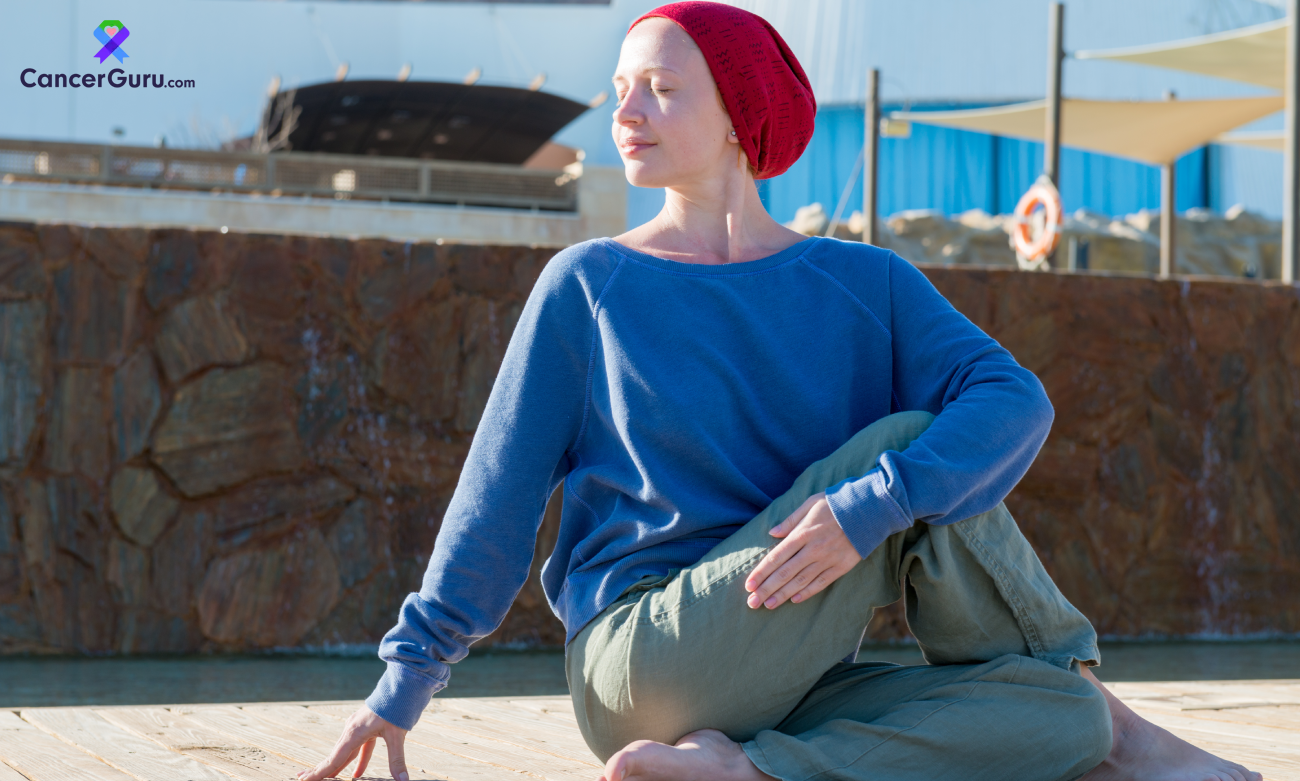
Summer means longer days and warmer weather, and warmer weather brings real risks during cancer treatment. Chemotherapy changes the way your body reacts to heat and sunlight, so a normal hot afternoon can become a health hazard.
This guide is on chemotherapy summer safety. It is in plain language. In this article, you will learn why heat affects you more when you are in treatment and five practical tips to protect yourself. With cancer treatment and hot weather, you need to plan a bit, and a few simple steps will keep you safe and let you enjoy the season. All of the tips below are modeled after recommendations at major cancer centers. Talk to the team about your treatment. The treatment you get depends on your drugs, the type of cancer you have, and your general health.
Why Hot Weather Hits Harder During Chemotherapy
Chemotherapy attacks fast-growing cancer cells, and the same drugs affect healthy cells and change how your body works day to day. Four of these changes make summer heat more dangerous for you than for a healthy person.
You lose fluids faster
Your body is roughly 60 percent water, and you need a steady supply to keep your blood pumping, your organs working, and your temperature regulated. Chemotherapy can make you nauseated, vomit, have diarrhea, and have a fever. All these drain fluids from your body. You lose sweat on top of that in hot weather.
Some chemotherapy drugs also make your kidneys produce more urine. Your kidneys need a lot of water to get rid of these drugs safely. Doctors call this a hypermetabolic state, which means your body is burning energy faster than normal, and it needs more fluid. Heat + treatment = dehydration in a flash.
Your skin reacts more to sunlight
Many cancer drugs cause photosensitivity, a heightened skin reaction to ultraviolet light. Then normal sun exposure leads to a burn, rash, redness, or blisters within minutes to hours. Researchers have identified 393 drugs and compounds associated with sun sensitivity, and anticancer drugs are among the top five drug groups responsible for the reaction.
Chemotherapy drugs can make your skin more sensitive to the sun, even if you take anti-nausea drugs like promethazine and prochlorperazine with them. You can't get a tan without burning your skin anymore.
Your body struggles to cool itself
You cool down mainly through sweating, and sweat requires fluid and working sweat glands. Sometimes chemotherapy and radiation can decrease your body’s ability to sweat and control temperature. A poor cooling system means your core temperature will rise faster in the heat, raising your risk of heat exhaustion and heat stroke.
Your infection risk rises
Chemotherapy lowers your white blood cell count, which makes it harder for your body to fight infection. During summer, the risk of picnics and outdoor meals is higher because heat encourages faster growth of bacteria in food and water. A compromised immune system also makes it harder to fight off any heat-related illness.
Tip-1: Guard Your Skin Against Sun Sensitivity
One of the most common problems in the summertime while in treatment is sun sensitivity from chemo, so strong sun protection is important to prevent painful burns. Use a broad-spectrum sunscreen with an SPF of 30 or greater and liberally coat all areas of exposed skin. Some targeted drugs, such as vemurafenib and other RAF kinase inhibitors, require SPF 50+, so check with your team about your regimen. Opt for a mineral sunscreen with zinc oxide or titanium dioxide that acts as a physical barrier against UV rays and is gentle on sensitive skin.
Reapply sunscreen every two hours or more often after sweating or swimming. Cloudy days still send UV rays through, so protect your skin even when the sun hides. Wear long light clothing, long trousers, and a broad-brimmed hat. Wear sunglasses to protect your eyes. UPF 50 sun protective clothing blocks most UV and gives you consistent coverage without reapplying.
Two important points here. First, avoid tanning beds altogether while you’re being treated, because they deliver the same UV damage as the sun. Second, watch for radiation recall, a reaction where a fresh sunburn flares up again after certain drugs enter your body about a week after the burn. This second reaction is usually more painful than the first, so don’t get burned in the first place. Trace amounts of drugs remain in the skin for weeks after they’ve left your system, so continue to protect yourself even after a treatment cycle is over.
Tip-2: Drink Fluids Before You Feel Thirsty
Thirst comes late, so you may be at a fluid deficit before your mouth feels dry. Don’t wait to be thirsty, drink water steadily through the day. There is a common target of about 64 ounces, or around 8 glasses, and your needs increase with vomiting, diarrhea, or fever. Some guidelines suggest that many adults drink eight to ten cups, or about two liters. Heart conditions and some treatments change the safe range, so your care team chooses the right amount for you.
Drink water before and after each treatment session. Keep a bottle of water nearby and use the label to write down hourly targets as a reminder. If you’ve lost fluids because of vomiting or diarrhea, plain water alone won’t do the trick. Use an electrolyte beverage to replenish the sodium and potassium you’ve lost. Ask your team before you count on sports drinks, because sugar and salt levels vary widely.
Food also adds fluid. Water-rich foods like watermelon, cucumber, oranges, strawberries, soups, and yogurt increase your intake, and these mild options are helpful when nausea constrains how much you can drink at once. See your urine fast. Pale yellow means good hydration, dark yellow means you need more fluid.
Signs of dehydration to watch for
- Dry mouth, dry lips, or thirst
- Dark urine or less urine than normal
- Lightheadedness or dizziness
- Headache or poor concentration
- Fatigue beyond what you normally fee
- Muscle cramps or constipation
Tip-3: Plan Your Day Around the Coolest Hours
The heat peaks in the middle of the day, so shift your outdoor plans to the early morning or evening. This is the most dangerous period for you between 10 a.m. and 4 p.m. when the sun and temperature are highest. Run errands, walk, or garden outside of these hours.
Keep doing what you love, change the setting to stay safe. Walk laps inside a mall instead of out on a hot sidewalk. Swim in an indoor or shaded pool rather than an open sun. Move a gathering indoors to a covered porch with air conditioning. Small changes can help you stay active without big exposure to heat.
Plan your outings around your treatment schedule, too. Fatigue is at its peak in the days following a chemotherapy session, so plan for lighter, cooler days within this window. Reserve active outdoor plans for days when your energy comes back. When the temperature is very hot, stay inside and rest.
Tip-4: Dress Light and Keep Your Home Cool
How well you lose heat depends on what you choose to wear. Wear loose-fitting, lightweight, light-colored clothing made of breathable fabrics, such as cotton or linen. Light colors reflect the sun, and loose cuts let air move across your skin. A wide-brimmed hat covers your face, ears, and neck all at once.
Keep the temperature steady and cool your home. Keep the air conditioning on during the hottest hours. Close blinds to block direct sun. Use fans to circulate the air. If you don't have air conditioning at home, spend the hottest hours in a cool public place like a library, mall, or community center. In many towns, cooling centers are opened during heat waves.
When you get hot, cool your body down directly. Take a cool shower or bath, apply a cold, damp cloth to your neck and wrists, or use a cooling towel. Keep a spray bottle filled with water handy for a quick misting. These steps will quickly bring down your temperature, reducing the stress on your cooling system.
Tip-5: Know the Warning Signs of Heat Illness
Heat illness has two stages, and early intervention in the first stage prevents a medical emergency. The difficult part is the overlap, because some warning signs are like common side effects of chemotherapy, like headache, nausea, and fatigue. Be aware of the changes. Be on the lookout for warning signs of heat illness.
Heat exhaustion comes first
Heat exhaustion responds well to rapid cooling. Look for heavy sweating, pale and clammy skin, muscle cramps, weakness, dizziness or fainting, headache, nausea, and less urine than normal. Go to a cool, shaded, or air-conditioned place right away. Rest in a reclined position. Sip cool water or an electrolyte drink and apply cool, wet clothes to the skin. Symptoms should clear up in about an hour. If they get worse or do not improve, call your care team or emergency services.
Heat stroke is a medical emergency
Call emergency services at once if you notice any of these signs:
- Body temperature of 103°F (about 40°C) or higher
- Hot skin, either dry or damp
- Confusion, slurred speech, or disorientation
- A fast, strong pulse
- Fainting or loss of consciousness
- Seizures
Get the person to a cool place and remove extra clothing. Cool the body with cold, wet towels or a cool bath. While you wait for help. Do not give fluids to a confused or unconscious person. The rapid cooling over these minutes protects the brain and organs.
How to Manage Chemo Side Effects in Hot Weather
Hot weather sharpens several common chemotherapy side effects. A few targeted steps keep them under control.
Nausea
Heat and dehydration can make nausea worse, and nausea makes it hard to drink, and this is a hard cycle. Break the cycle with small amounts of cold water, ginger tea, or electrolyte drinks, frequently. Cold, bland foods are easier to settle than hot, heavy meals in summer. Take your anti-nausea medication as directed and be aware that some of these drugs increase sun sensitivity, so protect your skin when you’re outdoors.
Fatigue
Chemo fatigue runs deep, and heat saps your energy even more. Rest during the hottest part of the day and do the hard work in the cooler morning hours. A short nap can help, and moving gently in a cool space can stop your body from stiffening. Follow your energy during each treatment cycle and plan your low days around it.
Swelling and lymphedema
Heat causes your blood vessels to widen, pushing fluid into your tissues, which can lead to swelling in your hands, feet and ankles. If you have lymphedema after surgery to remove lymph nodes, heat may increase the swelling. Raise your legs when you rest, keep moving gently, and wear any compression garment your team prescribes. Tell your care team if you develop sudden or large swelling.
When to Call Your Cancer Care Team
Reach out to your care team early because your treatment changes how your body handles heat. Call them if you notice any of these:
- A fever of 100.4°F (38°C) or higher, which signals a possible infection
- Vomiting or diarrhea strong enough to stop you from drinking fluids
- Signs of dehydration with no improvement after you drink
- A blistering sunburn or a spreading skin rash
- Heat exhaustion symptoms lasting more than an hour
- Dizziness, a racing heart, or confusion
For heat stroke signs, such as extreme temperature, confusion, or loss of consciousness, call emergency services first. Keep your care team's number saved and within reach all summer.
Frequently Asked Questions
Is time in the sun safe during chemotherapy?
Bare skin in strong sun is a real risk, while most people can cope with a short, protected period outdoors during treatment. Cover up, wear SPF 30+ and stay in the shade during peak hours. Ask your oncology team about the specific drugs you’re taking, as some make you more sun-sensitive than others.
How long does sun sensitivity last after chemotherapy?
Because the drug stays in your skin for a while, sun sensitivity can last for weeks after the last dose. Continue your sun protection during and after treatment. Your drugs give your care team a better timeline.
What drinks help with hydration during cancer treatment?
Water is on the list. If you are vomiting or have diarrhea and are losing fluids, add electrolyte drinks to your diet. For some variety, sip herbal teas, diluted juice, broth, or milk. Limit alcohol and heavy caffeine, both of which take water out of your body. Water-rich foods, such as melon and cucumber, contribute to fluids, too.
Does drinking more water reduce chemotherapy side effects?
Being well hydrated helps your body to clear some drugs and cope with treatment. Regular fluid intake can also help to ease constipation, tiredness, and some nausea. Side effects are not removed by water alone, and most of them are made worse by dehydration. So, there is a real advantage in regular intake.
Stay Safe and Enjoy Your Summer
Summer heat calls for extra vigilance during cancer treatment, and the season remains open to you. Wear sunscreen. Drink fluids when you are not thirsty. Plan outdoor activities for the coolest times of the day. Wear light-colored clothing. Keep your home cool. Know the signs of heat illness. These five habits lower your risk and let you rest, move, and spend time with people you love.
You are in control of your treatment plan so bring these questions to your oncology team and develop a summer routine that works with your drugs and your health. You protect your safety and keep the parts of summer you enjoy most with a few steady habits.
Image Credit: nikitabuida at magnific
Recent Posts
-
Cancer Awareness Resources: Types, Symptoms, Screening & Support
October 6, 2026 -
Nutrition During Cancer Therapy: What to Eat for Strength and Recovery
September 30, 2026 -
Ovarian Cancer Symptoms Women Often Miss
September 23, 2026 -
Leukemia vs. Lymphoma: Key Differences Explained
September 14, 2026 -
Signs and Symptoms of Childhood Cancer Parents Shouldn’t Ignore
September 8, 2026 -
Returning to Work After Cancer Treatment
September 3, 2026 -
Genetic Testing to Understand Your Family History
August 27, 2026 -
Talking to Children About a Parent’s Cancer Diagnosis
August 19, 2026 -
Managing Appetite Loss & Taste Changes During Cancer Treatment
August 14, 2026