Does Organic Food Really Reduce Cancer Risk?
March 9, 2026
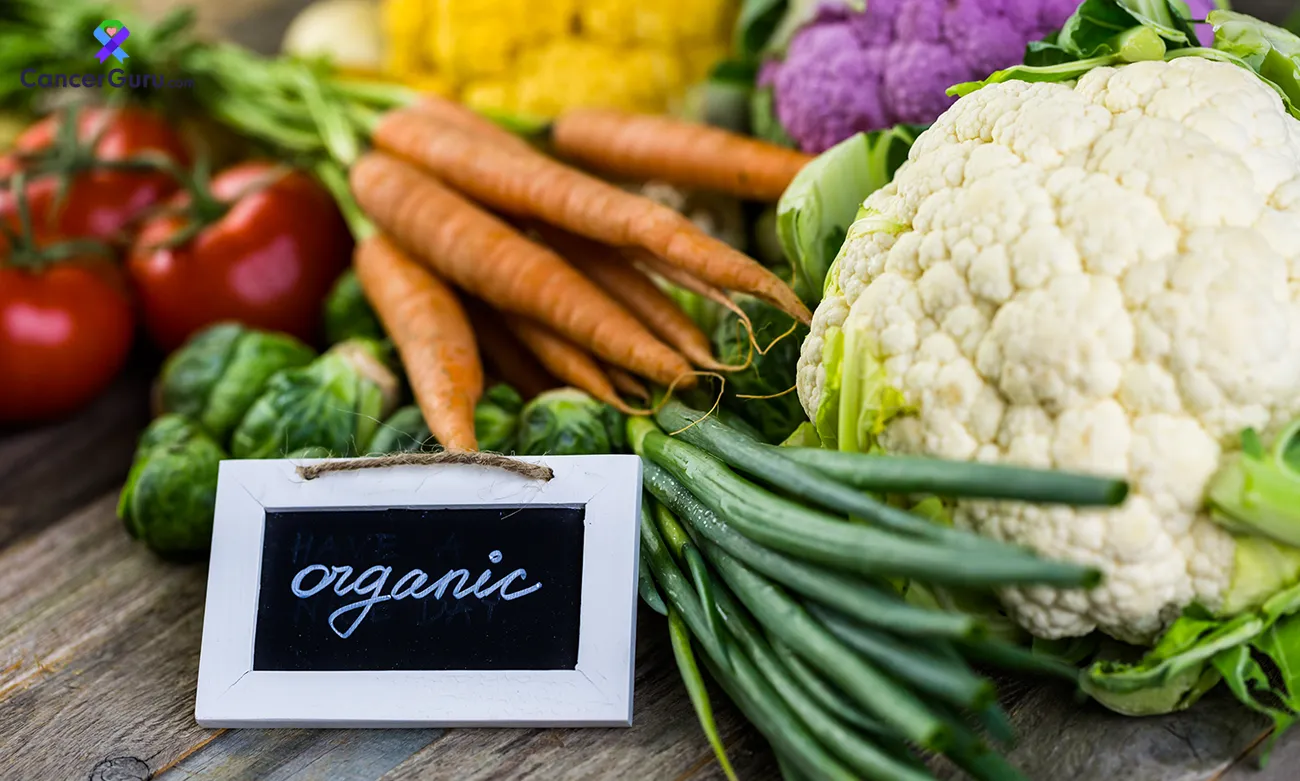
When you walk into any supermarket or buy things online, you’ll see shelves full of products labeled organic. Fruits, vegetables, milk, rice, snacks, and even baby food. Many people buy these items because they believe organic food is safer and healthier. One common belief is that it can lower the risk of cancer.
This article explains PFAS in plain language. You’ll learn what they are, where they’re found, how they spread, and what risks they pose. We’ll also talk about regulation, health research, and practical steps you can take to limit exposure to daily life.But is that true? Does eating organic food really protect you from cancer? Or is it more complicated than that?
Let’s talk about it in simple words. No big scientific terms. Just clear information so you can decide for yourself.
What Does Organic Food Mean?
When food is labeled organic, it usually means farmers grow it without using synthetic pesticides, chemical fertilizers, or genetically modified seeds. Animals raised for organic meat or milk are not given routine antibiotics or synthetic hormones.
In countries like the United States, governments set rules for what can be called organic. For example, the United States Department of Agriculture has strict guidelines for organic labeling. In other countries, the government also has certification systems.
So organic farming follows different methods. It focuses more on natural fertilizers like compost and manure. It avoids most man-made chemicals.
But here’s the big question. Does that difference change your cancer risk?
What Causes Cancer?
Before we talk about food, we need to understand cancer in a simple way.
Cancer happens when some cells in your body start growing out of control. Instead of growing and stopping like normal cells, they keep multiplying. These abnormal cells can form lumps, spread to other parts of the body, and damage organs.
Cancer does not have just one cause. Many things can raise your risk, including:
- Smoking
- Heavy alcohol use
- Obesity
- Lack of exercise
- Certain infections
- Radiation
- Family history
- Exposure to harmful chemicals
Food is one part of the picture. It’s not the only thing. That’s why the answer to our main question is not simple.
What Do Research Studies Say?
Some large studies have looked at people who eat organic food regularly and compared them with those who don’t.
One well-known study from France followed tens of thousands of adults for several years. Researchers found that people who reported eating more organic food had a slightly lower risk of certain cancers, especially non-Hodgkin lymphoma.
That sounds promising. But we have to look deeper.
People who choose organic food often live healthier lives in general. They may:
- Eat more fruits and vegetables
- Exercise more
- Smoke less
- Drink less alcohol
- Having higher education and income
- All these habits can lower cancer risks on their own.
So, when researchers see lower cancer rates in organic eaters, it’s hard to say that organic food alone causes a difference.
Association does not mean the cause.
What about Non-Hodgkin Lymphoma?
Some pesticides have been linked to non-Hodgkin lymphoma in farmers and agricultural workers. These workers are exposed to much higher levels than regular consumers.
For example, the International Agency for Research on Cancer has classified certain pesticides as possibly or probably cancer-causing.
But the exposure to farming is very different from the tiny residues found on washed fruits and vegetables.
So while high exposure might raise risk, we still do not have strong proof that the low levels in regular food significantly increase cancer risk for the general population.
Organic Does Not Mean Chemical Free
This is something many people misunderstand.
Organic farming still uses pesticides. The difference is that they are usually derived from natural sources. For example, copper compounds and certain plant-based sprays are allowed in organic farming.
Natural does not always mean safer. Some natural substances can also be harmful in large amounts.
So organic food reduces exposure to synthetic pesticides, but it does not mean zero exposure to all chemicals.
What About Nutritional Differences?
Another idea is that organic food may have more nutrients, and that could help reduce cancer risk.
Some studies show slightly higher levels of certain antioxidants in organic fruits and vegetables. Antioxidants help protect cells from damage.
But the differences are usually small. Most experts agree that the type of food you eat matters more than whether it is organic.
For example, eating fruits, vegetables, whole grains, and legumes lowers cancer risk. That matters far more than the farming method used.
The American Cancer Society recommends a diet rich in plant foods to lower cancer risk. It does not say you must choose organic to get the benefit.
The Bigger Picture: Diet Quality
Let’s step back.
If someone eats organic cookies, organic chips, and organic sugary drinks, that does not make their diet healthy.
Cancer risk is more closely linked to:
- Too much red and processed meat
- Low intake of fiber
- High sugar intake
- Excess body weight
If you replace processed snacks with fresh fruits and vegetables, your risk may go down. That’s because of better nutrition, not just because the food is organic.
What About Meat and Dairy?
Organic meat and dairy come from animals that are not given routine antibiotics or synthetic hormones.
Some studies suggest PFAS exposure may reduce the body’s ability to respond to vaccines and fight infections. This is especially concerning children whose immune systems are still developing.
The National Cancer Institute states that there is no strong evidence that the hormone levels in meat or milk from treated animals increase cancer risk in humans at the levels consumed.
So again, the evidence linking organic meat directly to lower cancer risk is weak.
Environmental Exposure vs Food Exposure
If we talk about cancer risk from chemicals, we should not only focus on food.
Air pollution, industrial chemicals, smoking, and occupational exposure often play a bigger role.
For example, people living in heavily polluted cities face higher risks due to air quality. In that situation, switching to organic apples may not change much.
It’s about the total exposure in daily life.
Children and Pesticide Exposure
Parents often choose organic food for their children. They feel children are more sensitive to chemicals.
Studies show that children who eat organic diets have lower pesticide metabolites in their urine. That means their bodies contain lower traces of these chemicals.
But lower exposure does not automatically mean lower cancer risk. We still lack long-term studies that follow children for decades to see if eating organic reduces cancer rates later in life.
Can Washing and Peeling Help?
Yes.
Washing fruits and vegetables under running water can remove much of the surface pesticide residue. Peeling can remove even more, though you may lose some fiber and nutrients.
Cooking also reduces some residues.
If you cannot afford organic food, proper washing is a simple and effective step.
Cost and Accessibility
Organic food often costs more. For many families, buying all organic food is not practical.
If someone has limited money, it makes more sense to buy regular fruits and vegetables than to avoid them because organic is too expensive.
Eating more plant foods, even conventional ones, reduces cancer risk compared to eating processed foods.
What Do Health Organizations Say?
Most major health organizations do not claim that organic food clearly reduces cancer risk.
The World Cancer Research Fund focuses on maintaining a healthy weight, staying active, limiting processed meat, and eating more plant foods.
They do not state that choosing organic is required for cancer prevention.
That tells us something important. If the evidence were strong, these organizations would highlight it clearly.
Psychological Comfort Matters Too
Some people feel peace of mind when they buy organic. They feel they are making a safer choice for their family.
That feeling is valuable. Stress and worry are not good for your health either.
If buying organic fits your budget and makes you feel better, that’s a personal choice. Just don’t think it replaces other healthy habits.
The Role of Lifestyle
Let’s be honest.
Smoking increases cancer risk far more than pesticide residues in food. Heavy drinking also raises risks. So does obesity.
If someone smokes daily but eats organic vegetables, the organic label will not protect them.
If someone rarely eats fruits and vegetables but chooses organic meat, that will not lower the risk either.
Your daily habits matter more than the label on your apple.
What Scientists Still Don’t Know
Science does not have all the answers yet.
Long-term randomized trials, where one group eats only organic and another eats only conventional food for many yers, are very hard to do. They are expensive and complicated.
So, most data come from observational studies. These studies show patterns but cannot prove cause and effect.
That’s why the question remains open, but the evidence so far does not show a strong, clear link between organic food and lower overall cancer risk.
So, What Should You Do?
Here’s a simple way to think about it.
If you can afford organic food and prefer it, go ahead. It will reduce your exposure to certain pesticides.
If you cannot afford it, do not feel guilty. Wash your produce well. Eat a wide variety of fruits and vegetables. Limit processed meat. Maintain a healthy weight. Stay active.
Those steps have much stronger evidence behind them.
A Balanced View
Organic farming has benefits. It may be better for soil health, biodiversity, and farm workers’ exposure to chemicals.
But when it comes to cancer prevention, the proof is still limited.
Lower pesticide exposure sounds good. Yet the levels in regular food are already within safety limits set by experts.
So, at this point, we cannot say that eating organic food clearly reduces cancer risk. It may help in small ways, but it is not a magic shield.
Final Thoughts
Cancer is a complex disease. It does not come from one apple or one meal. It has developed over the years because of many influences.
Choosing organic food can reduce your exposure to chemicals. That is true. But the strongest protection against cancer comes from bigger lifestyle choices.
Eat more planted foods. Move your body daily. Avoiding tobacco. Limit alcohol. Keep your weight in a healthy range. Get regular medical checkups.
If organic food fits into that plan, it's great. If not, focus on the basics. Your daily habits matter more than any label on your grocery bag.
In the end, the best diet for lowering cancer risk is one that is rich in whole foods, balanced, and realistic for your life. Not perfect. Not expensive. Just consistent.
That is what truly makes a difference.
Image Credit: arinahabich at FreePik
Recent Posts
-
Cancer Awareness Resources: Types, Symptoms, Screening & Support
October 6, 2026 -
Nutrition During Cancer Therapy: What to Eat for Strength and Recovery
September 30, 2026 -
Ovarian Cancer Symptoms Women Often Miss
September 23, 2026 -
Leukemia vs. Lymphoma: Key Differences Explained
September 14, 2026 -

Signs and Symptoms of Childhood Cancer Parents Shouldn’t Ignore
September 8, 2026 -
Returning to Work After Cancer Treatment
September 3, 2026 -
Genetic Testing to Understand Your Family History
August 27, 2026 -
Talking to Children About a Parent’s Cancer Diagnosis
August 19, 2026 -
Managing Appetite Loss & Taste Changes During Cancer Treatment
August 14, 2026