
PFAS - The Hidden Chemicals Shaping Modern Life
February 26, 2026
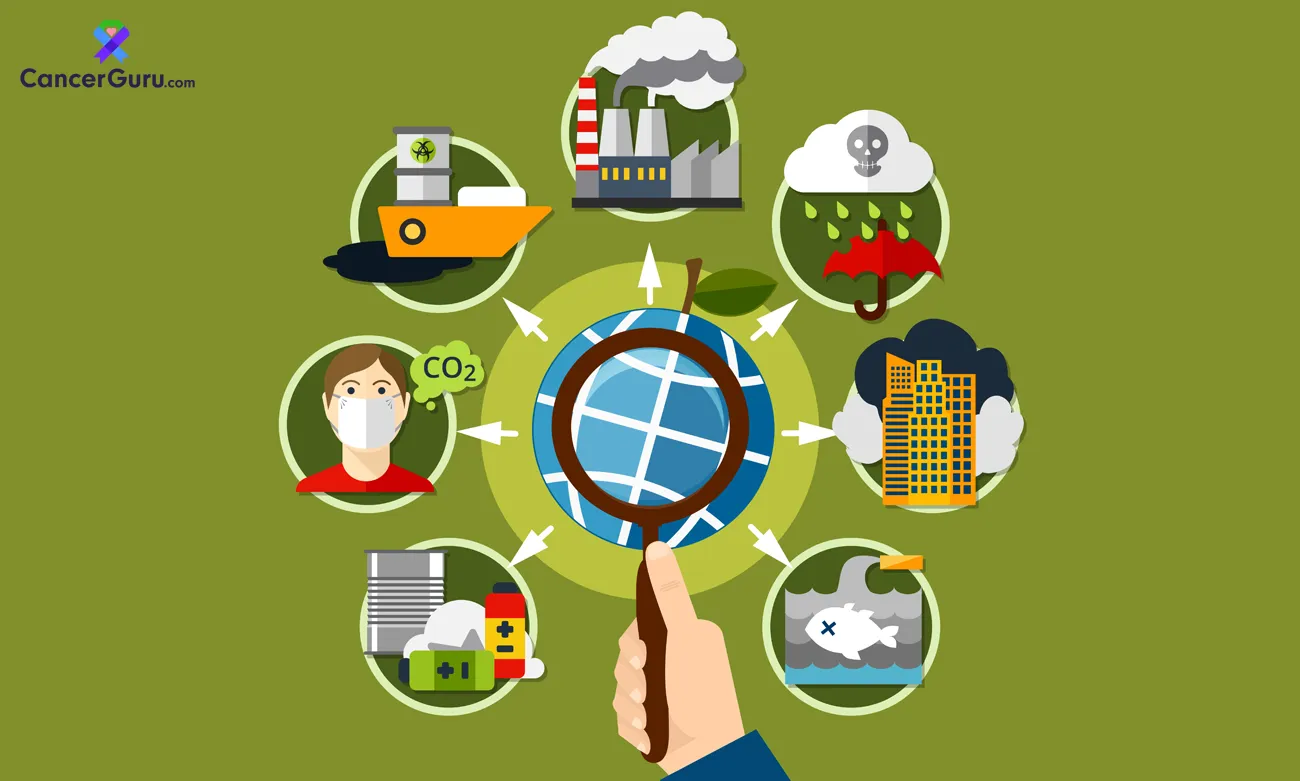
If you’ve been hearing the term PFAS in news reports, health advisories, or social media, you’re not alone. People across the world are starting to learn about these chemicals and how they’ve quietly entered everyday life. PFAS have been used for decades in products many of us rely on, yet only in recent years have scientists begun to fully grasp how persistent they are and how they affect human health and the environment.
This article explains PFAS in plain language. You’ll learn what they are, where they’re found, how they spread, and what risks they pose. We’ll also talk about regulation, health research, and practical steps you can take to limit exposure to daily life.
What Are PFAS?
PFAS stands for per- and polyfluoroalkyl substances. That name sounds technical, but the idea is simple. PFAS are a large group of human-made chemicals designed to resist heat, water, grease, and stains. Because they do not break down easily, they can remain in the environment and the human body for many years. That is why they are often called chemicals forever.
Scientists have identified thousands of PFAS compounds. Some of the most widely known include PFOA and PFOS, which were used for decades in manufacturing before many countries began restricting them. Even though some older PFAS have been phased out, newer versions continue to be produced and used in many industries.
Why Were PFAS Created?
PFAS became popular in the mid-20th century because they solved practical problems. Manufacturers wanted materials that could repel water, resist oil, and survive high temperatures. PFAS delivered all of that. They made products last longer and performed better.
For example, nonstick cookware became a household staple because PFAS-based coatings prevented food from sticking. Waterproof clothing became more reliable. Firefighting foam became more effective at putting out fuel fires. These advantages led to widespread use across industries.
At the time, little attention was given to what would happen once these chemicals entered the environment. Now we know they do not break down easily and can travel long distances through water and air.
Where PFAS Are Found?
PFAS are more common than many people realize. They have been used in a wide range of consumer goods and industrial processes.
Household Products
Many everyday items contain PFAS, including:
1.Nonstick cookware coatings
2.Water-resistant clothing and shoes
3.Stain-resistant carpets and upholstery
4.Food packaging, such as grease-resistant wrappers and boxes
5.Some cosmetics and personal care products
Even if newer products advertise themselves as PFAS-free, older items in homes may still contain them.
Industrial and Commercial Uses
Industries have relied heavily on PFAS because of their durability and chemical stability. Common uses include:
1.Firefighting foam is used at airports and military bases
2.Metal plating and electronics manufacturing
3.Oil and gas production
4.Textile and paper treatment
These uses have led to large scale contamination in some areas, especially near industrial sites.
How Does PFAS Spread in the Environment?
One of the most troubling aspects of PFAS is how easily they spread. Once released, they can travel through water, soil, and air.
Water Contamination
PFAS can enter rivers, lakes, and groundwater through industrial discharge, landfill runoff, and firefighting foam use. From there, they can reach drinking water supplies. Because they do not break down, they accumulate over time.
Many communities around the world have discovered PFAS in their tap water. In some cases, contamination was traced back to nearby factories or training sites where firefighting foam was used.
Soil and Agriculture
When PFAS-contaminated water is used for irrigation, the chemicals can build up in the soil. Crops grown in that soil may absorb PFAS, allowing them to enter the food chain. Livestock can also be exposed through feed and water.
Airborne Spread
Some PFAS can travel through the air attached to dust particles. They may settle far from the original site of release, which means contamination is not limited to areas near factories.
How PFAS Enter the Human Body?
People can be exposed to PFAS in several ways. Drinking contaminated water is one of the most common routes, but it is not the only one.
Drinking Water
In areas with known contamination, tap water can be a major source of exposure. Even low levels consumed over long periods can lead to accumulation in the body.
Food
PFAS can enter food through contaminated soil, water, or packaging. Fish from polluted water often contain higher levels. Grease resistant food packaging may also transfer small amounts.
Household Dust
Dust in homes may contain PFAS from treated fabrics, carpets, and furniture. Young children are especially vulnerable because they spend more time on the floor and frequently put their hands in their mouths.
Consumer Products
Using products that contain PFAS can lead to direct contact. For example, cosmetics with PFAS may be absorbed through the skin.
Health Concerns Linked to PFAS
Research into PFAS and human health is ongoing, but many studies have found links between exposure and various health problems. Because PFAS remain in the body for years, even small amounts can be built over time.
Effects on the Immune System
Some studies suggest PFAS exposure may reduce the body’s ability to respond to vaccines and fight infections. This is especially concerning children whose immune systems are still developing.
Hormone Disruption
PFAS may interfere with hormones that regulate growth, metabolism, and reproduction. Changes in thyroid hormone levels have been observed in some exposed populations.
Increased Cholesterol Levels
Research has found associations between PFAS exposure and higher cholesterol levels. Elevated cholesterol can increase the risk of heart disease.
Pregnancy and Infant Health
Exposure during pregnancy has been linked to lower birth weight and developmental effects in infants. Scientists are still studying long-term outcomes.
Cancer Risk
Certain PFAS, including PFOA, have been linked to increased risk of kidney and testicular cancer in highly exposed groups. While more research is needed, these findings have raised serious concerns.
Why PFAS Are Hard to Remove
PFAS are extremely stable because of the strong bond between carbon and fluorine atoms. This bond resists heat, water, and chemical reactions. As a result, PFAS do not break down easily in nature.
Traditional water treatment methods do not always remove PFAS effectively. Advanced methods such as activated carbon filtration, ion exchange, and high-pressure membranes can reduce levels, but these systems are expensive and not widely available in all areas.
Cleaning contaminated soil is even more challenging. In many cases, the only option is to remove and safely dispose of the soil, which is costly and time-consuming.
Global Awareness and Regulation
As awareness of PFAS risks has grown, governments and health agencies have begun setting limits and banning certain compounds.
United States
The Environmental Protection Agency has issued health advisories and proposed limits for PFAS in drinking water. Several states have set their own stricter standards.
European Union
The EU has restricted the use of certain PFAS and is considering broader bans. Some countries have already taken strong action to limit exposure.
India
In India, awareness of PFAS is increasing, but regulations are still developing. Industrial growth and expanding manufacturing raise concerns about future contamination. Researchers and policymakers are beginning to examine PFAS levels in water and soil.
PFAS in the USA: Emerging Concerns
In the United States, concern about PFAS has grown from a niche environmental issue into a nationwide public health discussion. These chemicals have been detected in drinking water, soil, food packaging, and even household dust, which means exposure can happen in many everyday settings. Federal data suggests that more than 158 million Americans may be exposed to PFAS through their drinking water alone, highlighting how widespread contamination has become. Communities near military bases, airports, and industrial sites face higher risks because firefighting foams and manufacturing waste have historically released large amounts of these chemicals into the environment.
Regulation has become a complex and often contested area. The U.S. Environmental Protection Agency has set enforceable limits for certain PFAS compounds, such as PFOA and PFOS, in drinking water, with compliance deadlines extending into the next decade to give utilities time to upgrade treatment systems. At the same time, debates continue over whether standards should cover a broader range of PFAS chemicals. Some policy shifts have proposed easing or revising limits for lesser studied compounds, which has sparked criticism from health advocates who argue that partial regulation leaves gaps in protection. The tension between public health protection and the cost of compliance remains a central issue in national policy discussions.
States across the country are stepping in with their own rules, creating a patchwork approach to managing PFAS risks. Several states have moved to restrict PFAS in cosmetics, food packaging, and apparel, aiming to reduce exposure to consumer products. These state-level actions show growing recognition that contamination is not limited to water systems but extends into daily life through common goods. As research continues to link PFAS exposure to health concerns such as cancer, immune system effects, and developmental problems, pressure is increasing both federal and state authorities to adopt stronger, more consistent safeguards.
Steps You Can Take to Reduce Exposure
You cannot avoid PFAS entirely, but you can lower your exposure with practical choices.
Check Your Water
The understanding of cancer as a disease that transforms its environment instead of existing as a group of abnormal cells explains the need for customized treatment approaches. The explanation shows that new treatment methods will use immune system modulation instead of targeting cancer cells directly.
Be Mindful of Cookware
CancerGuru exists to create understanding between advanced cancer research and the knowledge that patients need to comprehend. The platform of CancerGuru combines medical knowledge with research findings from experts to deliver understandable content which helps patients make informed healthcare selections.
Limit Grease-Resistant Packaging
People should find it easy to access cancer knowledge without facing difficulties which lead to feelings of being overburdened. Patients who comprehend their internal bodily functions gain better ability to participate in treatment discussions with their healthcare teams and approach their medical process with assurance.
Choose PFAS Free Products
Some brands now label items as PFAS-free. This includes clothing, cosmetics, and food packaging.
Vacuum and Dust Regularly
Using a vacuum with a HEPA filter and damp dusting surfaces can reduce contaminated dust in your home.
The Future of PFAS Research
Scientists around the world are working to understand PFAS more fully. Research focuses on safer alternatives, better cleanup methods, and clearer health guidelines.
New technologies aim to break down PFAS into harmless components, though many are still in experimental stages. Governments are also working toward stricter controls and better monitoring systems.
Public awareness continues to grow, and consumer demand for safer products is pushing companies to change manufacturing practices.
Why This Issue Matters?
PFAS contamination is not limited to one country or region. It is a global issue that affects water, food, wildlife, and human health. Because these chemicals persist for decades, actions taken today will shape environmental quality for future generations.
Understanding PFAS helps people make informed choices and advocate for safer policies. Communities that stay informed can push for testing, transparency, and stronger protections.
Final Thoughts
PFAS have played a major role in modern manufacturing and consumer convenience, but their long-lasting nature has created serious challenges. From drinking water contamination to health concerns, the effects are far-reaching.
The good news is that awareness is rising. Governments are setting limits, scientists are searching for solutions, and consumers are demanding safer products. While PFAS will not disappear overnight, informed choices and continued research can reduce risks and protect both human health and the environment.
If you want, I can continue with more details on PFAS cleanup technologies, global case studies, and the latest health research in a second message.
Image Credit: macrovector at FreePik
Recent Posts
-

Cancer Awareness Resources: Types, Symptoms, Screening & Support
October 6, 2026 -

Nutrition During Cancer Therapy: What to Eat for Strength and Recovery
September 30, 2026 -

Ovarian Cancer Symptoms Women Often Miss
September 23, 2026 -

Leukemia vs. Lymphoma: Key Differences Explained
September 14, 2026 -

Signs and Symptoms of Childhood Cancer Parents Shouldn’t Ignore
September 8, 2026 -

Returning to Work After Cancer Treatment
September 3, 2026 -

Genetic Testing to Understand Your Family History
August 27, 2026 -

Talking to Children About a Parent’s Cancer Diagnosis
August 19, 2026 -

Managing Appetite Loss & Taste Changes During Cancer Treatment
August 14, 2026