
Gentle Yoga for Cancer Recovery at Home
March 25, 2026
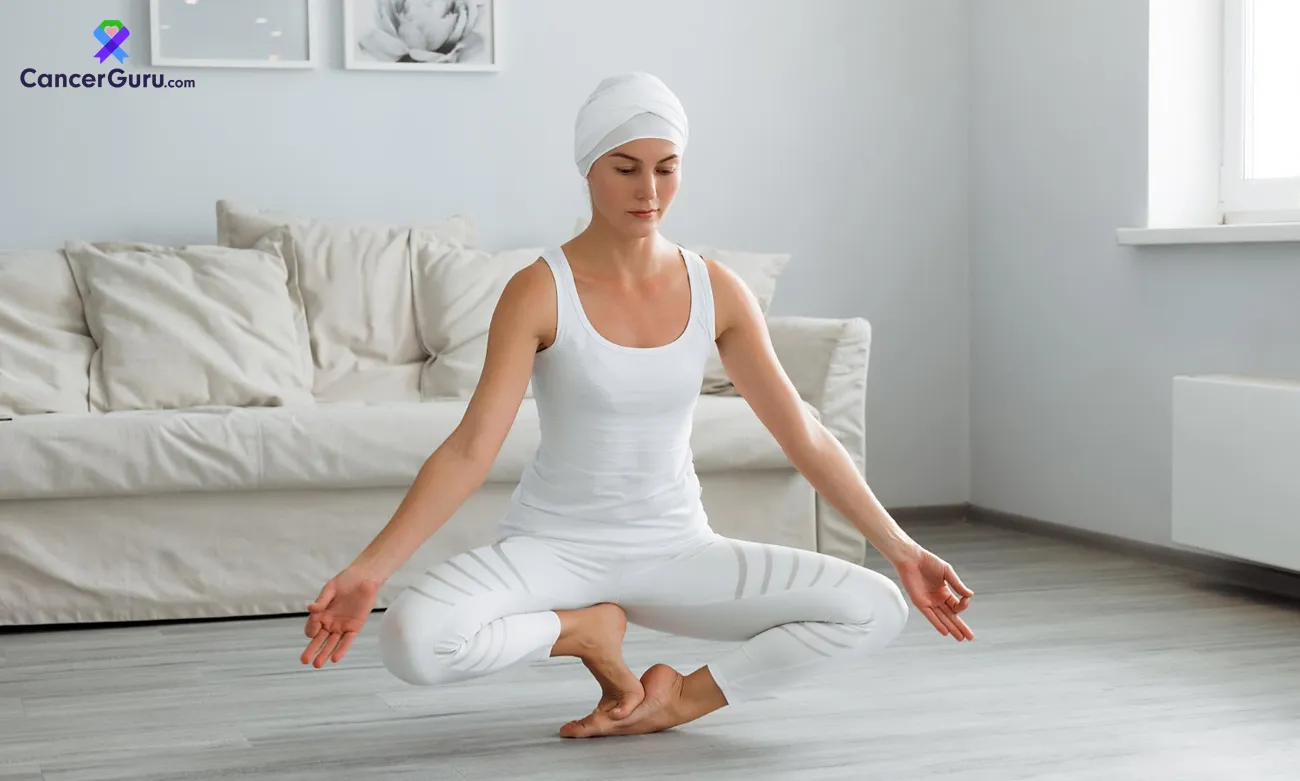
Going through cancer treatment can leave your body feeling stiff, tired, and out of balance. Some days, even small movements feel like a big task. That’s where gentle yoga can make a real difference. It doesn’t ask you to push hard or twist into difficult shapes. Instead, it gives your body space to move slowly, breathe deeply, and find a bit of ease again.
You don’t need a fancy studio, expensive gear, or long hours to get started. A quiet corner in your home, a soft mat, and a few minutes of your time can be enough. Gentle yoga meets you where you are. It helps you reconnect with your body calmly and simply, especially when everything else feels overwhelming.
What Gentle Yoga Means During Recovery
Gentle yoga is not about perfect poses or flexibility. It’s about small, mindful movements that support your body as it heals. During cancer recovery, your body has already been through a lot. So instead of pushing limits, gentle yoga focuses on easing tension, improving circulation, and helping you feel more present in your body.
You move at your own pace, and you listen closely to how your body responds. Some days you may feel stronger, while other days you may need more rest. That’s completely okay. Gentle yoga gives you that freedom. It allows you to take control of your movement again without pressure or stress.
Why the Body Feels Stiff After Cancer Treatment
Many people notice stiffness after treatments like chemotherapy, radiation, or surgery. Muscles may feel tight, joints may feel less flexible, and even simple movements can feel restricted. This happens because the body has been under stress for a long time, and physical activity may have been limited.
Gentle yoga helps slowly bring back movement in a safe way. Instead of forcing your body to stretch deeply, it encourages light movements that wake up the muscles and joints. Over time, this can reduce stiffness and help you move more freely in your daily life.
How Gentle Yoga Helps Ease Stiffness
When you move gently and regularly, your body begins to respond. Blood flow improves, muscles loosen, and joints start to feel less tight. Gentle yoga uses slow stretches and controlled breathing to support this process. Even a few simple poses can make a difference when done with care.
The key is consistency, not intensity. Practicing a little every day can help your body stay active without feeling overwhelmed. As your body gets used to these movements, you may notice that everyday tasks feel easier. Getting out of bed, reaching for things, or walking around may start to feel smoother and less painful.
The Connection Between Stress and Healing
Cancer recovery is not just physical. It also affects your mind and emotions. Stress, worry, and fear can stay in your body and make healing feel harder. Your muscles may stay tense, your breathing may become shallow, and your energy may drop.
Gentle yoga helps calm your mind through slow breathing and steady movement. When you focus on your breath, your body begins to settle down. Your heart rate slows, and your muscles relax. This can bring a sense of peace that supports both your mental and physical healing.
How Breathing Plays a Big Role
In gentle yoga, breathing is just as important as movement. Deep, steady breathing sends more oxygen into your body. This helps your cells work better and supports healing. It also helps reduce tension and brings a sense of calm.
Many people forget how to breathe deeply when they feel stressed or unwell. Gentle yoga brings your attention back to your breath. You learn to inhale slowly through your nose and exhale fully. This simple practice can help you feel more grounded and in control.
Improving Energy Without Overdoing It
Feeling tired during cancer recovery is very common. Some days, even small tasks can feel exhausted. Gentle yoga can help improve energy levels without putting too much strain on your body. Instead of draining your energy, it helps restore it.
Slow movements and breathing wake up your body in a soft way. They improve circulation and help your body use energy more efficiently. After a short session, many people feel more refreshed, not tired. It’s a gentle way to rebuild strength over time.
You Don’t Need a Studio to Start
One of the best things about gentle yoga is how simple it is to begin. You don’t need to travel, join classes, or invest in expensive equipment. Your home can be the perfect place to practice. A quiet and clean space is enough to get started.
You can use a yoga mat, a folded blanket, or even a soft carpet. Wear loose clothes that allow you to move freely. Keep a chair nearby if you need support. The idea is to make it easy and stress free, so you can focus on your body and breath.
Building a Daily Habit
Starting something new can feel hard, especially when your energy is low. The key is to keep it simple. You don’t need long sessions. Even ten to fifteen minutes a day can make a difference. What matters is showing up regularly.
Pick the time that works for you. Morning can help you start your day with calm energy, while evening can help you release tension. Keep your routine flexible so it fits your daily life without pressure.
Staying Consistent Without Pressure
It’s okay if you miss a day or don’t feel like practicing. Recovery has ups and downs. Gentle yoga is not about strict rules. It’s about kindly supporting yourself. When you feel ready, you can return to your practice without guilt.
This approach makes it easier to stay consistent over time. Instead of forcing yourself, you build a habit that feels natural and supportive. That’s what makes gentle yoga so helpful during recovery.
The Emotional Side of Movement
Moving your body gently can also bring up emotions. You may feel calm, or you may notice feelings you’ve been holding in. This is a normal part of healing. Gentle yoga creates a safe space where you can feel and release emotions without judgment.
Over time, this can help you feel lighter and more balanced. It’s not just about physical movement. It’s also about giving yourself space to heal on a deeper level.
Supporting Better Sleep
Sleep can be difficult during cancer recovery. Pain, stress, and changes in your body can affect your health. Gentle yoga before bed can help your body settle down. Slow stretches and deep breathing prepare your body for sleep.
Even a short session can make a difference. It helps release tension and calm your mind. Over time, this can improve the quality of your sleep and help you wake up feeling more refreshed.
A Safe Way to Rebuild Strength
Gentle yoga may look slow, but it still helps build strength. Holding simple poses for a few breaths safely activates your muscles. This helps rebuild strength without putting too much pressure on your body.
As you continue, you may notice that your body feels more stable and steadier. This can help you feel more confident in your movements throughout the day.
Creating a Simple Gentle Yoga Routine
Now that you understand how gentle yoga helps, it’s time to build a simple routine you can follow at home. Keep it short and easy, so you don’t feel overwhelmed. Start with five to ten minutes and slowly increase when your body feels ready. You don’t need to rush anything.
Begin with a few deep breaths while sitting or lying down. Then move into light stretches for your neck, shoulders, and arms. Add one or two resting poses at the end. This kind of routine supports your body without making you tired. It’s all about steady progress, not pushing limits.
Step by Step Beginner Routine
Let’s walk through a basic routine you can try. Start by sitting comfortably and taking slow breaths. Raise your arms gently over your head and hold for a few seconds. Bring them down slowly. Repeat this a few times to warm up your upper body.
Next, roll your shoulders forward and backward in a slow motion. Then gently turn your neck from side to side. If you feel okay, lie down and bring your knees toward your chest. Hold them lightly and breathe. Finish by resting quietly for a minute or two.
How Often Should You Practice
You don’t need to practice for long hours to see results. A short daily session works better than doing too much at once. Try to practice at least four to five days a week. Even ten minutes can help your body feel better over time.
Some days you may feel strong and want to do more, while other days you may need to rest. That’s normal. Gentle yoga works best when you stay flexible with your routine and follow how your body feels each day.
Morning vs Evening Practice
Morning yoga can help you wake up your body slowly. It reduces stiffness that builds overnight and prepares you for the day. Even a few stretches in the morning can make your movements feel smoother.
Evening yoga, on the other hand, helps you release tension built up during the day. It calms your mind and prepares your body for sleep. You can choose one or try both, depending on your energy levels and daily schedule.
Using Props for Support
You don’t need special equipment, but a few simple items can make your practice easier. A pillow, folded blanket, or cushion can support your body in different poses. This helps reduce strain and keeps you safe.
For example, you can place a cushion under your knees when lying down. You can also use a chair for balance or support. These small adjustments make gentle yoga more accessible and help you feel more at ease during practice.
Safety Tips You Should Follow
Safety should always come first during recovery. Before starting any new movement routine, it’s a good idea to talk to your doctor. They can guide you based on your condition and treatment stage.
Avoid any movement that causes sharp pain or discomfort. Move slowly and stay within your limits. Keep your breathing steady and never hold your breath. If you feel dizzy or weak, stop and rest. Your body’s signals matter more than any routine.
When to Pause or Modify
There may be days when your body feels extra tired or sensitive. On those days, it’s okay to skip certain movements or take a full rest. Gentle yoga is not about doing everything every day. It’s about supporting your body at the moment.
You can also modify poses to suit your comfort level. For example, instead of lifting your arms fully, you can raise them halfway. Small changes like this keep your practice safe and manageable.
Tracking Your Progress
Progress during recovery can feel slow, but small changes add up. You may notice less stiffness, better sleep, or improved mood over time. Keeping track of these changes can help you stay motivated.
You can write down how you feel after each session. Note your energy level, mood, and any changes in your body. This helps you see how far you’ve come and keeps you connected to your healing journey.
Combining Yoga with Daily Movement
Gentle yoga works well along with simple daily activities. Walking around your home, stretching during breaks, or doing light chores can support your recovery. You don’t need to stay still all day.
When you combine yoga with everyday movement, your body stays active in a balanced way. This helps improve circulation and keeps your muscles from getting stiff again.
Staying Motivated During Recovery
It’s normal to feel low on motivation at times. Recovery can be a long journey, and some days feel harder than others. Gentle yoga can become a small but steady part of your routine that keeps you going.
Try to focus on how you feel after your practice. Even a short session can bring a sense of calm and lightness. That feeling can encourage you to come back the next day.
Making It Part of Your Lifestyle
Over time, gentle yoga can become more than just a recovery tool. It can turn into a daily habit that supports your overall well-being. You don’t have to stop once you feel better.
Keeping this practice in your life can help you stay active, reduce stress, and maintain your energy levels. It becomes a simple way to take care of your body every day.
Common Mistakes to Avoid
One common mistake is trying to do too much too soon. It’s easy to feel motivated and push yourself, but that can lead to stress. Start small and increase slowly.
Another mistake is ignoring your body’s signals. If something feels wrong, don’t force it. Also, avoid comparing yourself to others. Your journey is unique, and your pace is just right for you.
The Role of Patience in Healing
Healing takes time, and there’s no fixed timeline. Gentle yoga naturally teaches patience. Each breath and movement reminds you to slow down and stay present.
Instead of rushing results, focus on the process. Every small step you take supports your recovery. Over time, these small steps lead to meaningful changes.
How Family Support Helps
Having support from family or friends can make a big difference. They can encourage you to stay consistent and even join you for a short session. Practicing together can make feel comfortable.
Even simple support like reminding you to take time for yourself or helping you set up your space can make your routine easier to follow.
Mental Strength Through Gentle Movement
Gentle yoga is not just physical. It also helps build mental strength. Each time you show up for your practice, you build a sense of resilience. You remind yourself that you are taking steps toward healing.
This can improve your confidence and help you feel more in control of your recovery. It’s a quiet but powerful way to support your mind.
Long-Term Benefits You May Notice
With regular practice, you may start to notice lasting changes. Your body may feel more flexible, your movements may become smoother, and your energy may improve. These changes often come gradually.
You may also feel calmer and more balanced in your daily life. Gentle yoga supports both your body and mind, making it a valuable part of long-term recovery.
Gentle Yoga and Emotional Balance
Emotions can shift a lot during recovery. Some days you may feel hopeful, while other days you may feel heavy. Gentle yoga gives you a space to process these feelings without pressure.
Through breathing and movement, you can release tension and find moments of peace. This helps create a sense of balance that supports your emotional health.
Final Thoughts
Gentle yoga offers a simple and caring way to support your body during cancer recovery. You don’t need special skills or equipment to begin. All you need is a little time, a quiet space, and a willingness to move gently.
By staying consistent and listening to your body, you can ease stiffness, reduce stress, and improve your energy over time. Each small step you take brings you closer to feeling stronger and more at ease in your body again.
Closing Note
Your recovery journey is personal, and there’s no single right way to go through it. Gentle yoga gives you a flexible and kind approach that fits your needs. You can adjust it, pause it, or return it anytime.
Start small, stay patient, and trust the process. With time, this simple practice can become a steady source of support, helping you move forward one day at a time.
Recent Posts
-

Cancer Awareness Resources: Types, Symptoms, Screening & Support
October 6, 2026 -

Nutrition During Cancer Therapy: What to Eat for Strength and Recovery
September 30, 2026 -

Ovarian Cancer Symptoms Women Often Miss
September 23, 2026 -

Leukemia vs. Lymphoma: Key Differences Explained
September 14, 2026 -

Signs and Symptoms of Childhood Cancer Parents Shouldn’t Ignore
September 8, 2026 -

Returning to Work After Cancer Treatment
September 3, 2026 -

Genetic Testing to Understand Your Family History
August 27, 2026 -

Talking to Children About a Parent’s Cancer Diagnosis
August 19, 2026 -

Managing Appetite Loss & Taste Changes During Cancer Treatment
August 14, 2026