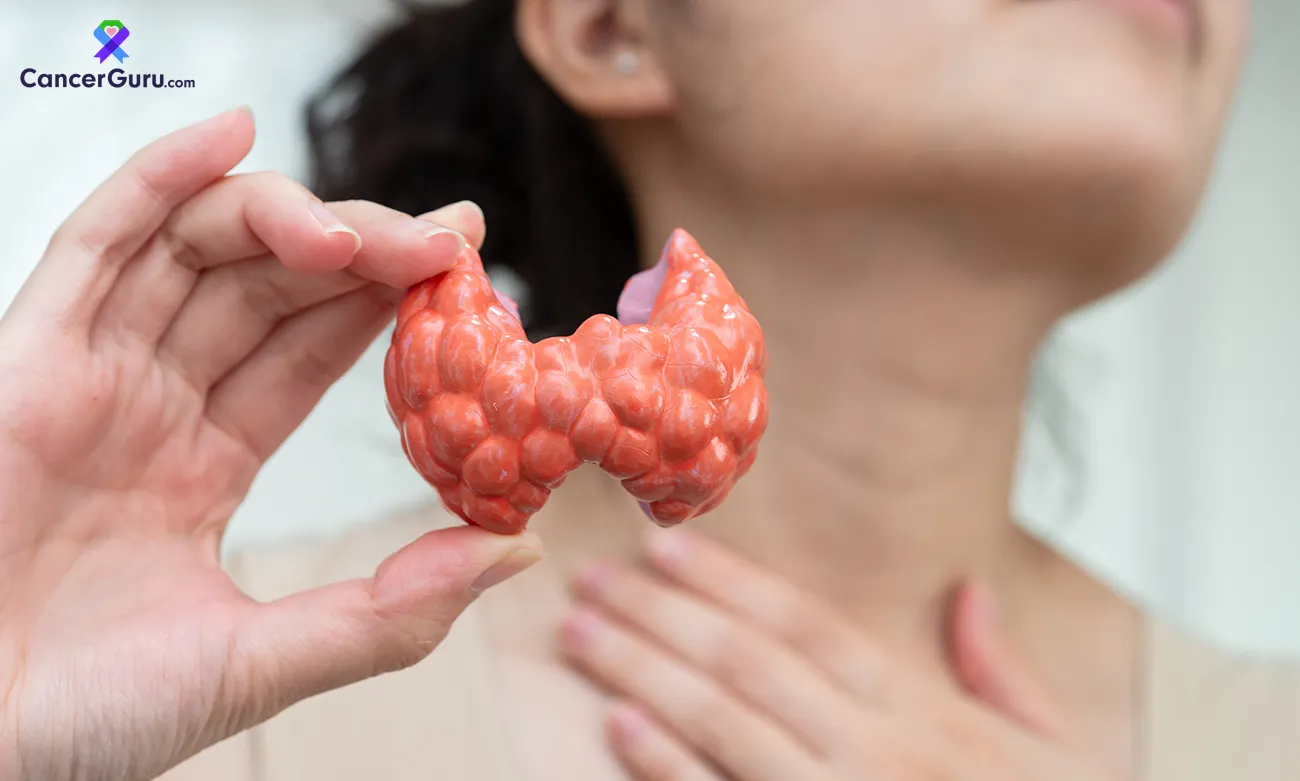
Small Changes, Big Impact - Cancer Prevention Starts at Home
March 16, 2026
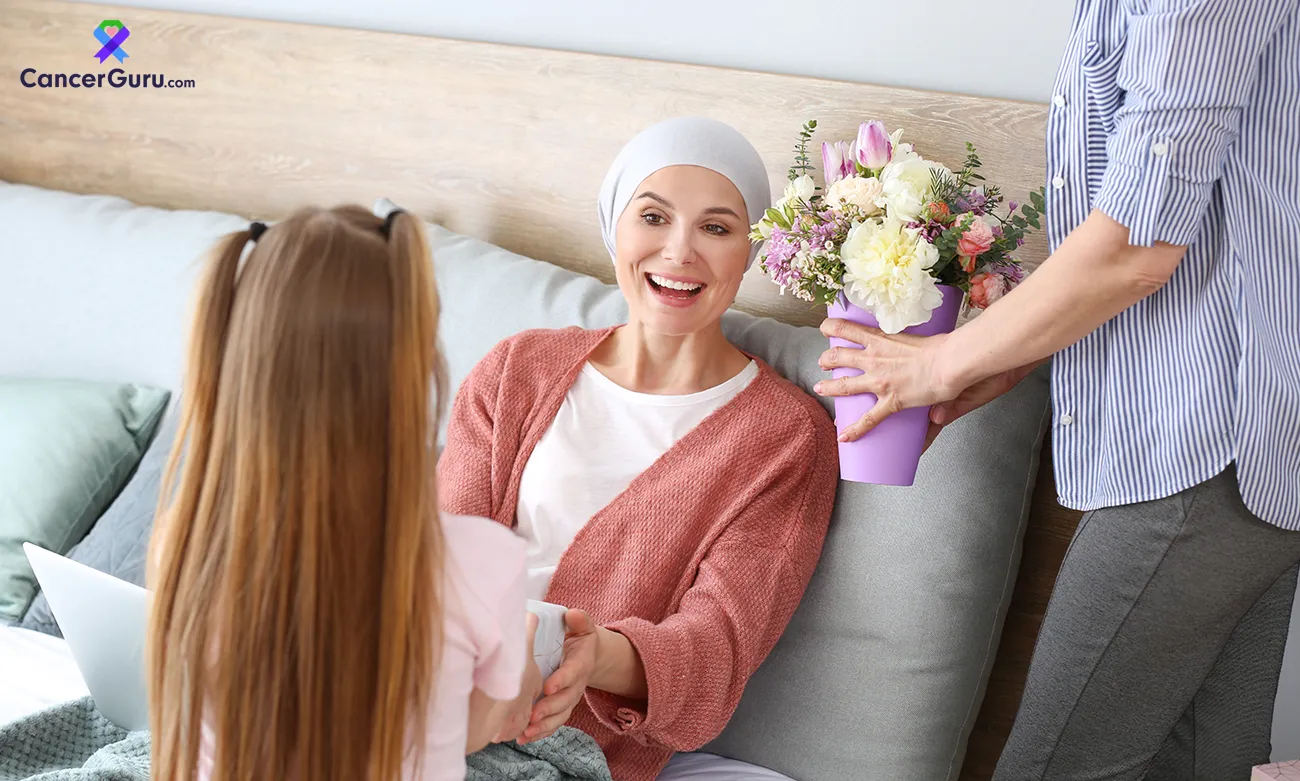
Living a healthy life doesn’t mean you have to flip your entire world upside down overnight. Most of us feel overwhelmed when we think about health goals because we picture marathon training or eating nothing but steamed kale. But when it comes to lowering your risk of getting sick, the real magic happens in the tiny choices you make right where you live.
Your home is the one place where you have total control over your surroundings. By making a few tweaks to your kitchen, your cleaning supplies, and your daily habits, you can build a much safer environment for yourself and your family.
The Power of What’s on Your Plate
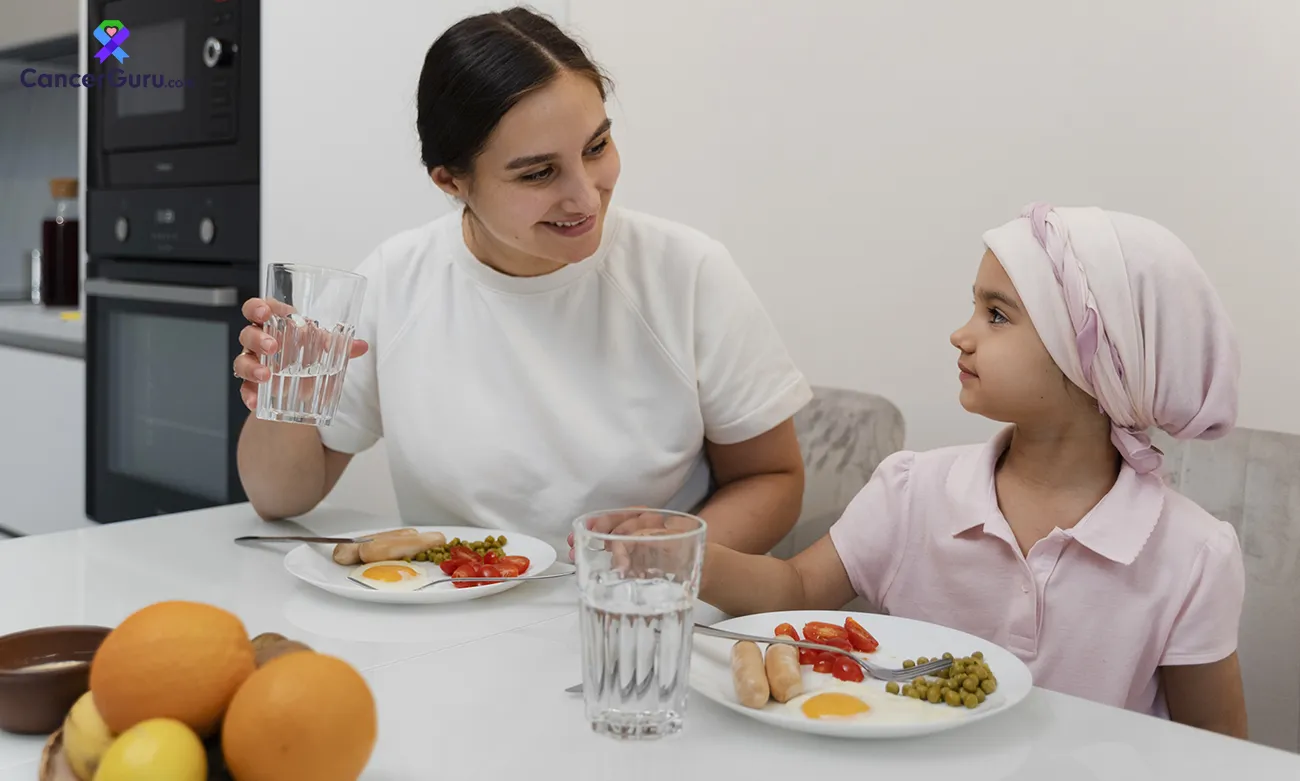
Let’s start with the kitchen. It’s the heart of the home, but it’s also where many risks hide in plain sight. You’ve probably heard a million times that you should eat more vegetables. But why? Plants are packed with things called phytochemicals. These aren't just fancy nutrients; they actually help protect your cells from damage.
Instead of trying to go on a strict diet, just try to crowd out the bad stuff with the good stuff. If you’re making pasta, throw in a handful of spinach. If you’re having a sandwich, pile the sprouts or peppers. You don't have to be a chef to make these changes. Even frozen veggies are great because they’re picked at their peak and stay good in your freezer for months.
One of the biggest wins for your health is cutting back on processed meats. Things like deli ham, bacon, and hot dogs go through a lot of chemical changes to stay shelf stable. Research shows that these items can increase the risk of certain cancers. Try swapping your morning bacon for an egg or some avocado toast. If you love sandwiches, use leftover roasted chicken instead of packaged slices. It tastes better anyway, and your body will thank you.
Rethinking Your Drink
What you drink matters just as much as what you eat. Water is always the gold standard. It keeps your organs running and helps flush out things your body doesn't need. If plain water feels boring, toss in some lemon or cucumber.
Alcohol is a tricky one. Many people don't realize that alcohol is linked to several types of cancer. You don't necessarily have to quit forever, but cutting back makes a huge difference. If you usually have a glass of wine every night, try switching to sparkling water with a splash of juice a few times a week. It gives you that same "end of the day" ritual without the extra risk.
Sugar-sweetened drinks are another area to watch. Sodas and energy drinks can lead to weight gain, and carrying extra weight is a known risk factor for many diseases. By swapping one soda a day for water or unsweetened tea, you’re cutting out a massive amount of sugar for over a year.
The Air You Breathe
We spend a huge chunk of our lives indoors, especially lately. That means the air quality inside your house is a big deal. One of the simplest things you can do is open your windows. Even for just ten minutes a day, letting fresh air circulate helps clear out indoor pollutants.
If you have a basement, you should check for radon. Radon is a gas that you can't see or smell, but it’s the second leading cause of lung cancer. You can buy a cheap testing kit at most hardware stores. It’s a small step that gives you a lot of peace of mind.
Also, think about what you’re spraying on the air. Scented candles and plug-in air fresheners often contain chemicals that aren't great for your lungs. If you want your house to smell nice, try simmering some cinnamon sticks or orange peels on the stove. It smells more natural and won't add unnecessary toxins to your living space.
Cleaning Up Your Cleaning Routine
Take a look under your kitchen sink. Most of us have a graveyard filled with plastic bottles filled with harsh chemicals. While these products do a great job of killing germs, they can also be hard on your health. Many traditional cleaners contain ingredients that can disrupt your hormones or irritate your respiratory system.
You can actually clean almost anything with vinegar, baking soda, and lemon. Vinegar kills bacteria and cuts through grease. Baking soda is a great scrub for tubs and sinks. These items are cheap, easy to find, and much safer for you and your pets. If you do buy store-bought cleaners, look for ones that are "fragrance-free" or have a green seal of approval.
Move Your Body without the Gym
Exercise doesn't have to mean gym membership. In fact, just moving more throughout the day is often more effective than one intense workout followed by eight hours of sitting. Your home is the perfect place to stay active.
Try "commercial break workouts." Every time a show goes on a break, do some squats or lunges. While you’re brushing your teeth, do some calf raises. If you have a yard, gardening is an incredible exercise. It gets you moving, gives you some sun, and helps you clear your mind.
The goal is just to sit less. If you work from home, try to stand up during calls. Use a basket to carry laundry, one armful at a time, so you must walk up and down the stairs more. These little bursts of movement add up to a lot of burned energy and better circulation.
Sun Safety in the Backyard
Skin cancer is one of the most common types, but it's also one of the most preventable. You don't have to be at the beach to get sunburned. Even hanging out on your porch or working in the garden can expose you to harmful rays.
Keep a bottle of sunscreen right by your back door. That way, you’ll remember to put it on before you head out to check the mail or pull weeds. Wear a hat with a wide brim to protect your face and neck. It’s also smart to stay in the shade during the middle of the day when the sun is at its strongest. If you have kids, make this a non-negotiable rule. Protecting their skin now prevents a lot of trouble when they get older.
Sleep is Your Secret Weapon
We often treat sleep like a luxury, but it’s actually a requirement for your immune system to function. While you sleep, your body repairs damaged DNA and clears out waste from your brain. If you don't get enough rest, your body can't do its job of keeping you healthy.
Make your bedroom a sanctuary. Keep it cool, dark, and quiet. Try to put your phone away at least thirty minutes before you want to sleep. The blue light from screens tricks your brain into thinking it’s daytime, which makes it harder to drift off. Instead, read a physical book or listen to some quiet music. Setting a regular bedtime helps your body get into rhythm, making it easier to wake up feeling refreshed.
Small Changes in the Kitchen
The way you cook your food is just as important as what you’re cooking. When you grill meat at very high temperatures until it’s charred, it can create chemicals that are linked to cancer. You don't have to give up the grill but try marinating your meat first. This acts like a shield and reduces those harmful chemicals. You can also precook meat in the oven and just finish it on the grill for that smoky flavor without the heavy char.
Try to use more glass containers for your leftovers instead of plastic. When you heat plastic in the microwave, some of the chemicals from the plastic can leak into your food. Glass is much more stable and lasts a lot longer. It’s a simple switch that removes one more source of chemicals from your daily life.
Stress and Your Health
While stress itself doesn't cause cancer, it can lead to behaviors that increase your risk, like overeating, smoking, or drinking too much. Finding ways to manage stress at home is a huge part of a prevention plan.
You don't need a meditation room. Just five minutes of deep breathing in a quiet corner can reset your nervous system. Make time for hobbies that make you happy, whether that's knitting, playing an instrument, or just playing with your dog. When you feel better mentally, you’re much more likely to make healthy choices in other areas of your life.
Staying on Top of Screenings
One of the best things you can do from your home is pick up the phone and schedule your checkups. Early detection is everything. Talk to your doctor about which screenings are right for your age and family history.
Keep a folder in your house with your medical records. Write down when you have your last physical, your last skin check, and any other tests. Having this information handily makes it much easier to stay on schedule. Don't wait until you feel a lump or notice a change in a mole. Being proactive is the smartest move you can make.
Smoking and Vaping
It goes without saying, but if you smoke, the best thing you can do for your health is to quit. Your home should be a smoke-free zone. Secondhand smoke is a major risk for everyone living with you, including pets.
Vaping is also a concern. While some people use it to quit cigarettes, we are learning more every day about how it affects the lungs. If you need help quitting, there are so many resources available now, from patches to apps that track your progress. Don't feel like you must do it alone.
The Power of Community and Family
Living healthily is easier when you do it with the people you live with. Get your family or roommates involved. Instead of meeting friends for a heavy dinner, ask them to go for a walk in the park. Teach your kids about where their food comes from by planting a small tomato plant or some herbs in a window box.
When everyone in the house is on the same page, those healthy choices become the default. You won't have to think twice about reaching an apple instead of a bag of chips if the apple is what's sitting on the counter.
Building Your Own Path
You don't have to do all of this today. In fact, if you try to change everything at once, you’ll probably give up next week. Pick one thing. Maybe this week you’ll buy glass containers for lunch. Next week, maybe you’ll take a radon test.
These small wins build momentum. You'll start to feel better, sleep better, and have more energy. That makes it easier to take the next step. Prevention isn't about being perfect; it’s about making your environment just a little bit safer than it was yesterday.
By focusing on your home, you are taking charge of your future. You are making it harder for sickness to take root and easier for your body to stay strong. It’s a journey that starts with a single grocery trip, a single open window, and a single night of good sleep. You have the power to make these changes, and the impact they will have on your life is bigger than you can imagine.
Looking Forward
Think about where you want to be in ten or twenty years. You want to be active, alert, and able to enjoy your life. The choices you make in your living room and kitchen today are the building blocks for that future.
Cancer prevention isn't just a month on the calendar; it’s a way of looking at your daily routine. It’s about being mindful of what you put in your body and what you surround yourself with. It’s about choosing health over convenience whenever you can.
Keep it simple. Keep it consistent. And most importantly, keep going. Every small change you make is a victory. Your home is your fortress, and with these steps, you’re making it stronger every day. You’ve got this. Start today with one small choice and watch how it grows into a healthier life for you and everyone you love.
Image Credit: pixel-shot.com at FreePik
Recent Posts
-
Cancer Awareness Resources: Types, Symptoms, Screening & Support
October 6, 2026 -
Nutrition During Cancer Therapy: What to Eat for Strength and Recovery
September 30, 2026 -
Ovarian Cancer Symptoms Women Often Miss
September 23, 2026 -
Leukemia vs. Lymphoma: Key Differences Explained
September 14, 2026 -
Signs and Symptoms of Childhood Cancer Parents Shouldn’t Ignore
September 8, 2026 -

Returning to Work After Cancer Treatment
September 3, 2026 -

Genetic Testing to Understand Your Family History
August 27, 2026 -
Talking to Children About a Parent’s Cancer Diagnosis
August 19, 2026 -
Managing Appetite Loss & Taste Changes During Cancer Treatment
August 14, 2026