
How to Check for Testicular Cancer: A Step-by-Step Guide for Men 15 to 35
April 15, 2026
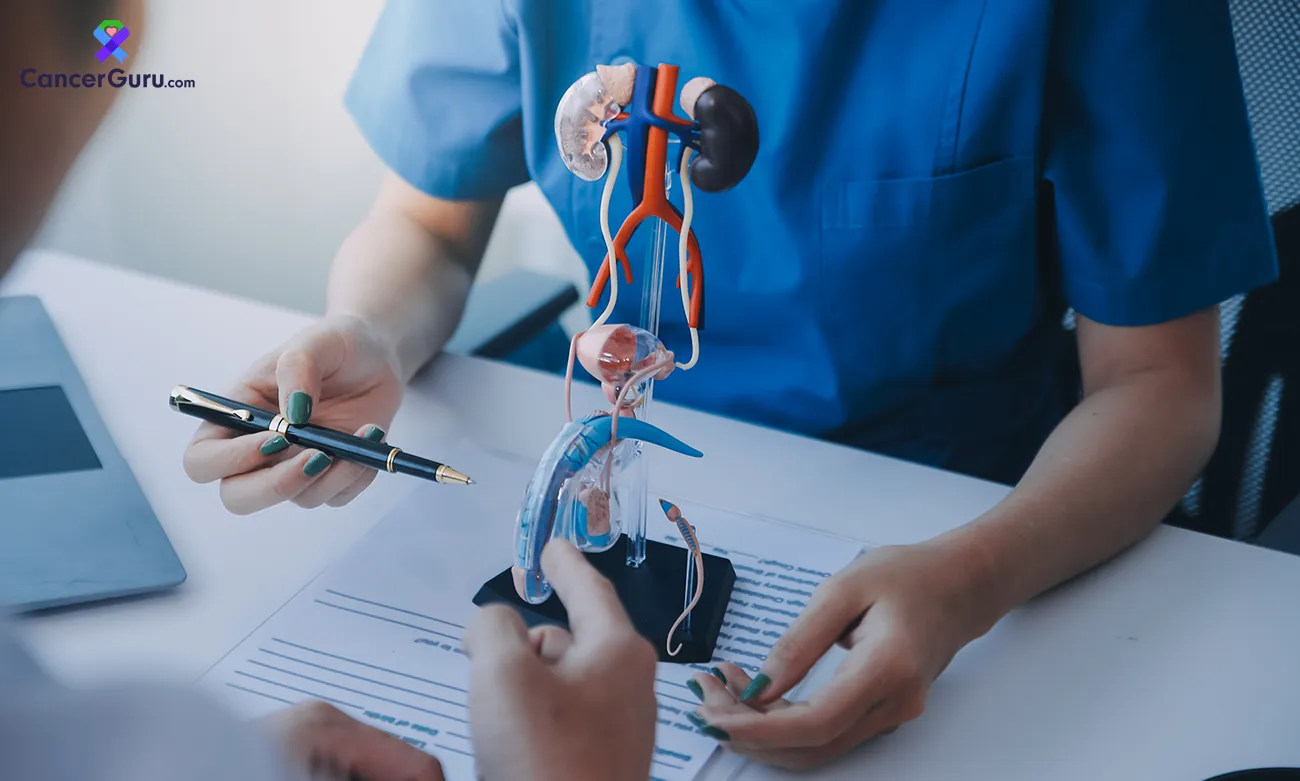
Most guys don’t spend much time thinking about their testicles unless they get hit there. It’s one of those things we just take for granted. But if you’re a man between the ages of 15 and 35, you need to pay a bit more attention. This age range is the prime time for testicular cancer. It sounds scary, but the good news is that this type of cancer is very treatable if you catch it early. April is a testicular cancer awareness month, which makes it a great time to learn about a new habit that could literally save your life.
Learning how to check for testicular cancer isn’t hard. It doesn’t take a long time, and you don’t need any special tools. You just need your own two hands and a few minutes of your day. This guide will walk you through exactly what you need to do, what you’re looking for, and why it’s so big for your health.
Why Guys Your Age Need to Pay Attention
It might seem weird that a cancer would strike young men instead of older people. Most cancers are things we associate with our grandfathers. Testicular cancer is different. It’s the most common cancer for guys in their late teens, 20s, and early 30s. While it’s still rare compared to things like the flu or broken bones, it’s the main one that affects men in this specific age bracket.
The reason you want to do a testicular self-exam on how to routine is because early detection is everything. When you find it early, the cure rate is nearly 100 percent. That’s a huge win. But you can only find it early if you know what your "normal" feels like. Every man is built a little differently. Some guys have one that hangs lower. Some have one that’s a bit bigger. That’s all right. What you want to watch out for is change.
Getting Ready for Your Exam
The best time to do this is right after a warm bath or shower. Think about why. When you’re cold, your scrotum pulls up tight to your body to stay warm. That makes it tough to feel anything. But when you’re in a warm shower, the skin of the scrotum relaxes. It becomes soft and thin. This gives you the best chance to feel what’s going on inside without any extra layers of tight skin getting in the way.
Make sure your hands are soapy. This helps them glide over the skin without pulling. You want this to be a smooth movement so you can feel the textures underneath the skin.
The Step-by-Step Guide
Don’t rush this. It only takes about two minutes, but those two minutes need your full attention.
1. One at a Time
Take one testicle at a time. It’s better to focus on one side fully before moving to the next. Use both hands. You want to place your thumb on top and your index and middle fingers underneath.
2. The Roll
Gently roll the testicle between your thumbs and fingers. You aren’t squeezing hard. You just want to feel the surface and the shape. It should feel like a smooth, firm egg. Think of a hardboiled egg without a shell. That’s the kind of consistency you’re looking for. It should be firm but have a little bit of give.
3. Find the Epididymis
As you’re rolling, you’ll feel a soft, ropelike structure at the back of the testicle. That’s the epididymis. A lot of guys feel this for the first time and panic thinking it’s a tumor. It isn’t. This is a normal part of your body that stores and moves sperm. It usually feels a bit squishy or like a small bunch of tubes. Get used to how this feels so you don’t freak out every time you touch it.
4. Check the Vas Deferens
Connected to that ropey part is another tube called the vas deferens. It’s usually a bit firmer and feels like a smooth string. Again, this is a normal part of your plumbing.
5. Repeat on the Other Side
Now do the exact same thing as the other one. Don’t be surprised if one is slightly larger or hangs a bit lower than the other. That’s totally normal for most men.
Testicular Lump: What Does It Feel Like?
This is the question every guy asks. If you find something, how do you know if it’s bad? A testicular lump can vary, but there are some common signs.
Most of the time, a cancerous lump feels like a hard pebble or a grain of rice. It’s usually attached to the front or side of the testicle. It won’t feel squishy like epididymis. It will feel solid. Sometimes it’s not a lump at all, but just a part of the testicle that feels way harder than the rest.
Another thing to look for is a change in size. If one testicle suddenly gets much larger or feels a lot heavier than it used to, that’s a sign. You might also feel a dull ache in your groin or lower belly. It’s not always a sharp pain. Sometimes it’s just a heavy feeling, like someone is pulling on your insides.
Testicular Cancer Symptoms Young Men Should Know
While the lump is the most common sign, there are other testicular cancer symptoms young men might notice.
Sudden Fluid: If you notice a sudden buildup of fluid in your scrotum, don’t ignore it.
Pain or Discomfort: Even if you don’t feel a lump, any pain in the testicle or scrotum should be checked out.
Breast Tenderness: In some rare cases, the hormones produced by a tumor can cause your chest area to feel sore or even grow a bit.
Back Pain: If the cancer spreads, it can cause an ache in your lower back that doesn’t go away with rest.
It’s also good to know that most lumps are not cancer. You could have a cyst, which is just a little sac of fluid. You could have a varicocele, which is like a varicose vein in your scrotum. People often describe a varicocele feeling like a "bag of worms." It’s weird, but it’s not cancer. Still, you can’t know for sure just by feeling it yourself. You need a doctor to give you the green light.
What to Do if You Find Something
First off, don’t panic. If you find a lump, it doesn’t mean your life is over. As we said, this is one of the most curable cancers out there. But you must act fast.
Call your doctor and tell them exactly what you found. Say, "I did a self-exam and found a hard lump on my testicle." They will get you in quickly. Don’t be embarrassed. Doctors see this all the time. They would much rather you come in for a harmless cyst than stay home and let a tumor grow.
When you go in, the doctor will likely do a physical exam by themselves. They might order an ultrasound. This is a simple test where they use sound waves to see what’s inside the scrotum. It doesn’t hurt at all. It’s the best way to see if a lump is solid (more likely to be cancer) or filled with fluid (more likely a cyst).
Breaking the Silence
There is a weird stigma around talking about our "balls." Guys often feel like they must be tough or that talking about health issues down there is awkward. But that silence is what makes things dangerous.
If you’re in your 20s, talk to your friends. Mention that it’s testicular cancer awareness month. If you have a son who is hitting his teens, teach him how to check for testicular cancer. Making this a normal part of life takes the fear out of it.
Think of it like checking the oil in your car. You don’t do it because you expect the engine to explode. You do it to make sure everything is running right, so you can fix small problems before they become huge ones.
Common Myths About Testicular Cancer
There is a lot of bad info out there. Let's clear some of it up.
Myth: An injury causes testicular cancer: Getting kicked in the groin or hitting your balls on a bike frame won't cause cancer. However, an injury might make you pay more attention to the area, which leads you to find a lump that was already there.
Myth: If it doesn't hurt, it isn't cancer: This is a big one. Most testicular cancer lumps are actually painless. You might just feel like a hard spot. Don't wait for it to hurt before you see a doctor
Myth: Checking too much is bad: You can't check too much, but once a month it is a sweet spot. If you check every single day, you might not notice small changes that happen slowly. Once a month helps you stay aware of the baseline.
Taking Control of Your Health
Being a man means taking care of your responsibilities, and your health is at the top of that list. You don't need to live in fear of getting sick. You just need to be smart. Spend those two minutes in the shower once a month. Get to know your body.
If you find something, you'll be glad you were looking. You'll catch it, you'll treat it, and you'll get back to your life. The power is literally in your hands.
Don't let embarrassment or being "too busy" stop you. This is one of those small things that makes a massive difference. By the time testicular cancer awareness month rolls around next year, you should be an expert on what’s normal for you.
Staying healthy isn't just about going to the gym or eating right. It's about being aware. It's about noticing when things aren't quite right and having the guts to do something about it. Start your monthly check today. It's easy, fast, and it's the smartest move you can make for your future.
FAQs
1. How often should I do a testicular self-exam?
Once a month is perfect. Pick a date that's easy to remember, like the first of the month or your birthday. Set a reminder on your phone.
2. What if I have always had a small bump?
If you’ve had a bump since you were a kid and it hasn't changed, it’s likely nothing. But if you’re just noticing it now, or if a bump you’ve had started to get bigger or harder, get it checked.
3. Can I get testicular cancer if I'm only 16?
Yes. While it's more common in the 20s, it starts becoming a risk once you hit puberty. That’s why the 15 to 35 range is the focus.
4. Will I lose my sex drive if I have a tumor?
Most men with testicular cancer still have normal sex drives and can still have kids. Even if one testicle must be removed, the other one usually picks up the slack and produces all the testosterone and sperm you need.
5. What does a normal testicle feel like?
It should feel smooth, rubbery, and firm but not hard. It shouldn't have any jagged edges or rocky parts.
6. Is it normal for one testicle to be bigger?
Yes, it’s very common for the right one to be slightly larger or the left one to hang lower. As long as they have always been that way, you are fine.
Image Credit: armmypicca at FreePik
Recent Posts
-

Cancer Awareness Resources: Types, Symptoms, Screening & Support
October 6, 2026 -

Nutrition During Cancer Therapy: What to Eat for Strength and Recovery
September 30, 2026 -

Ovarian Cancer Symptoms Women Often Miss
September 23, 2026 -

Leukemia vs. Lymphoma: Key Differences Explained
September 14, 2026 -

Signs and Symptoms of Childhood Cancer Parents Shouldn’t Ignore
September 8, 2026 -

Returning to Work After Cancer Treatment
September 3, 2026 -

Genetic Testing to Understand Your Family History
August 27, 2026 -

Talking to Children About a Parent’s Cancer Diagnosis
August 19, 2026 -

Managing Appetite Loss & Taste Changes During Cancer Treatment
August 14, 2026