
HPV and Cancer: Which Cancers Are Caused by HPV & Who Is at Risk?
April 22, 2026
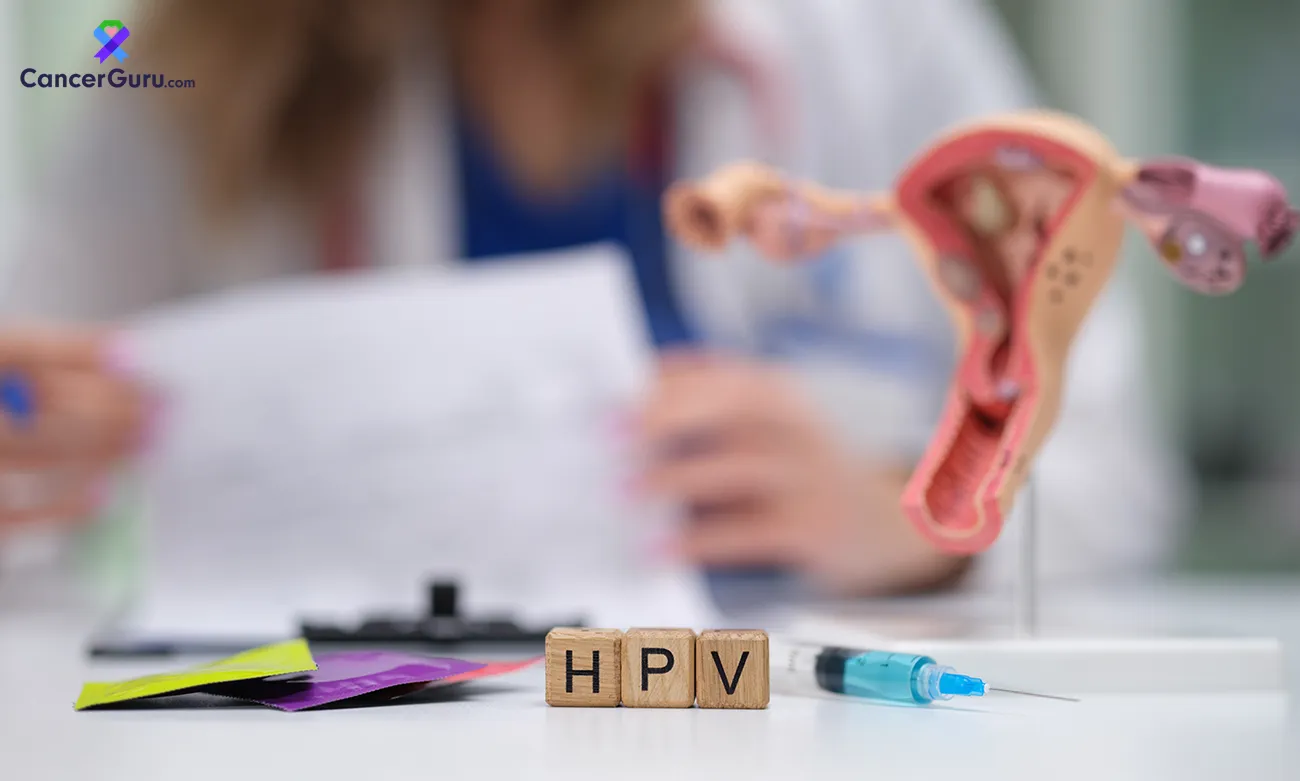
The Human Papillomavirus, known as HPV, is a very common virus. In fact, it's so common that most people catch it at some point in their lives. Most of the time, the body clears the virus on its own without any symptoms or health problems. But when the virus stays in the body for a long time, it can lead to certain types of cancer. This connection between the virus and cell changes is what doctors call the HPV and cancer link.
Learning how this virus works helps people take the right steps to stay healthy. It isn't just a concern for one group of people. It affects everyone. Since the virus often shows no signs for years, knowing the risks and the types of cancer it causes is the best way to stay ahead of it.
The Basics of the Virus
HPV isn't just one single virus. It's a group of more than 200 related viruses. Each one is given a number to identify it. Doctors put these into two main groups: low risk and high risk.
Low risk types don't usually cause cancer. They might cause warts on the skin or the genital area. While these can be annoying or uncomfortable, they aren't life threatening. On the other hand, high risk types are the ones that lead to cancer. There are about 14 high risk types. Among these, HPV 16 and HPV 18 are the most dangerous. They're responsible for the majority of cancers linked to the virus.
The virus lives in thin, flat cells called epithelial cells. These cells are found on the surface of the skin and in the linings of the throat, genitals, and anus. When the virus infects these cells, it can start to change their DNA.
How the Virus Leads to Cancer
When a person gets a high-risk type of virus, the immune system usually fights it off within two years. But in some people, the infection lasts much longer. This is called a persistent infection.
When the virus stays in the cells for many years, it interferes with the way the cells communicate. It stops the cells from fixing their own DNA and tells them to keep growing even when they shouldn't. Over a long time, these abnormal cells turn into precancerous lesions. If these aren't found and treated, they can eventually turn cancer.
This doesn't happen overnight. It often takes 10 to 20 years or even longer from the time of the first infection to the time a tumor develops. This long timeline is why regular checkups are so helpful.
Which Cancers are Caused by HPV?
Many people only associate this virus with cervical cancer. While that's the most common cancer it causes, it's far from the only one. The virus can cause cancer in any area where it can live in the lining of the body.
Cervical Cancer
Cervical cancer is almost always caused by HPV. Before the vaccine and regular screening tests existed, this was a leading cause of death for women. Today, doctors can find the virus or the cell changes it causes before cancer even starts.
Oropharyngeal Cancer
This refers to cancer in the back of the throat, including the base of the tongue and the tonsils. Many people ask, can HPV cause head and neck cancer? The answer is clear yes. In recent years, the number of throat cancers linked to the virus has gone up significantly. In the United States, it's now the most common cancer caused by the virus, passing cervical cancer in total numbers.
Anal Cancer
Both men and women can develop anal cancer from the virus. It's more common in people with weakened immune systems, but it can affect anyone who has a persistent high-risk infection in that area.
Penile Cancer
In men, the virus can lead to cancer of the penis. While this is rarer than other types, the risk is still present, especially for those who aren't vaccinated.
HPV Throat Cancer Symptoms
It's important to know what to look for because throat cancer is becoming more common. The signs are often small and can be confused with a cold or a small infection. It's a good idea to see a doctor if your symptoms last longer than a few weeks.
Common HPV throat cancer symptoms include:
- A sore throat that doesn't go away.
- A constant feeling that something is stuck in the throat.
- Earaches that don't seem related to an ear infection.
- Trouble swallowing or pain when swallowing.
- A lump in the neck that you can feel from the outside.
- Unexplained weight loss.
- Changes in voice, such as hoarseness.
Unlike some other throat cancers, those caused by the virus often don't cause pain right away. This can make them easy to ignore. A lump in the neck is often the first thing people notice.
HPV Cancer Risk in Men
A lot of people think that this virus is only a "women's health issue." That's not true. There is no standard screening test for the virus in men right now, but women do get regular screenings for cervical cancer. This is why HPV cancer risk in men is such an important public health issue.
Throat cancer linked to the virus is more common in men than in women. Studies show that men's immune systems may not be as good at getting rid of the virus in the mouth and throat as women's are. Also, these cancers are often found later because there is no "Pap smear" for the throat or penis.
The lack of screening options for men is why the vaccine is so highly recommended for boys and young men. It's the only way to lower the risk of these specific cancers before they have a chance to start.
Who is at Risk?
Since the virus is transmitted through skin-to-skin contact, anyone who is sexually active can get it. It doesn't matter if a person has had only one partner or one partner. Most people get infected shortly after becoming sexually active.
There are certain factors that can increase the chance of the virus staying in the body and causing cancer:
Smoking: Tobacco use makes it harder for the immune system to clear the virus. People who smoke and have an HPV infection are at a much higher risk for throat and cervical cancers.
Weakened Immune System: People living with HIV or those taking medications that suppress the immune system are more likely to have persistent infections.
Age: While anyone can have the virus, the risk of it turning into cancer increases as people get older because the virus has had more time to cause cellular damage.
Co-infections: Having other infections in the same area can sometimes make it easier for the virus to take hold.
Prevention and Protection
The good news is that most cancers caused by this virus are preventable. We have tools today that didn't exist a few decades ago.
The Vaccine
The HPV vaccine is a breakthrough in cancer prevention. It protects against the types of the virus that cause most cancers and genital warts. It's most effective when given at age 11 or 12, but it's approved for people up to age 45. The vaccine works best if it's given before a person is ever exposed to the virus.
Studies show that in countries with high vaccination rates, the number of precancerous changes and actual cancer cases has dropped dramatically. It's a safe and effective way to stop cancer before it ever starts.
Screening for Women
For women, regular screenings are a lifesaver. There are two main tests:
The Pap Test: A doctor takes a small sample of cells from the cervix to look for changes.
The HPV Test: This test looks specifically for the DNA of the high-risk virus types.
Oncology guidelines from groups like the American Cancer Society suggest that women should start screening at age 25. Depending on the test results, they might only need to be tested every five years. These tests find the "warning signs" long before cancer develops.
Reducing Exposure
Using protection like condoms can lower the risk of passing the virus, but it doesn't eliminate it entirely. This is because the virus can live on skin that a condom doesn't cover. Being in a long-term relationship with one person can also lower the risk, but it's important to remember that the virus can stay dormant for years. Someone could have caught it a decade ago and only see symptoms now.
Expert Guidelines and Modern Care
Over the past few years, doctors who specialize in cancer have changed how they think about these types of cancer. For example, throat cancer caused by HPV is often treated differently than throat cancer caused by smoking or drinking. Patients with HPV-related tumors usually have a better chance of getting better and responding to treatment.
Vaccination is now a big part of the guidelines for preventing disease. Doctors say that parents should talk to their kids' pediatricians about the vaccine as a normal part of health care. Adults should talk about keeping up with screenings and being aware of any new symptoms.
If a person is diagnosed with cancer caused by the virus, the treatment plan usually includes a mix of surgery, radiation, and sometimes chemotherapy. The goal is always to treat cancer while keeping as much function as possible, especially for throat and cervical cases.
Why the Discussion Matters Now
We're at a point in medical history where we could actually eliminate some types of cancer. If enough people get vaccinated and if everyone has access to screenings, cervical cancer could become a thing of the past.
For men, the rise in throat cancer cases shows that the conversation needs to expand. We can't just talk about this as a reproductive health issue. It's a respiratory and oral health issue, too. By talking about it openly, we take away the stigma and make it easier for people to get the help they need.
Awareness of which cancers are caused by HPV changes the way we think about the dentist or the doctor. A dentist might be the first person to notice a lump or a change in the back of the throat. A primary care doctor might be the one to suggest a vaccine for a young adult. Every one of these moments is a chance to prevent cancer.
Questions to Ask Your Doctor
If you're worried about your risk or want to know more, bring it up at your next appointment. Here are a few things you can ask:
- Am I up to date on my screenings?
- Should I get the HPV vaccine if I haven't already?
- Are there any symptoms in my mouth or throat I should be worried about?
- How often do I need to be checked for changes?
- If I've had the virus before, am I still at risk of cancer?
Doctors are used to these questions. They have the latest information and can help you make a plan that fits your specific health history.
Final Thoughts on HPV and Cancer
This virus's connection to cancer is a big discovery in modern medicine. It gave us a goal. We can now find the cause of cancer and stop it instead of just waiting for it to happen.
We can lower the risk by giving the younger generation the vaccine or having adults get regular checkups. Listen to your body. If you have a sore throat that won't go away or a lump that feels new, don't ignore it. These little things are your body's way of saying it needs help.
Staying informed is the first step. By knowing the HPV and cancer link, you're already doing more for your health than most. Keep the conversation going with your friends, your family, and your healthcare providers. It's one of the few cancers we actually know how to prevent, and that's something to use to your advantage.
The statistics might look scary, but they don't have to be your story. Early detection and prevention are the most powerful tools available. Use them. Talk to your doctor, get the vaccine if you're eligible, and never skip those regular exams. Your health is worth the effort.
Recent Posts
-
Cancer Awareness Resources: Types, Symptoms, Screening & Support
October 6, 2026 -

Nutrition During Cancer Therapy: What to Eat for Strength and Recovery
September 30, 2026 -
Ovarian Cancer Symptoms Women Often Miss
September 23, 2026 -
Leukemia vs. Lymphoma: Key Differences Explained
September 14, 2026 -
Signs and Symptoms of Childhood Cancer Parents Shouldn’t Ignore
September 8, 2026 -
Returning to Work After Cancer Treatment
September 3, 2026 -

Genetic Testing to Understand Your Family History
August 27, 2026 -

Talking to Children About a Parent’s Cancer Diagnosis
August 19, 2026 -

Managing Appetite Loss & Taste Changes During Cancer Treatment
August 14, 2026